
Why Your Herb Seeds Aren’t Sprouting (And How a Heat Mat Fixes It)
Heat mat herb germination is one of the most effective ways to start basil, thyme, rosemary, and other herbs indoors — faster and with far better results than room temperature alone.
Quick answer: The best heat mats for herb germination in 2025:
| Heat Mat | Best For | Temp Range | Size |
|---|---|---|---|
| Epic Seed Starting Heat Mat | All herbs, full trays | +10-20°F above ambient | 10″ x 20.75″ |
| Ferry-Morse Heat Mat | Beginners, plug-and-play | 70-85°F | 10″ x 20″ |
| Heat-Sprout Seedling Heat Mat | Uniform heat, multiple sizes | +10-20°F above ambient | 4 sizes |
| Hydrofarm Seedling Heat Mat | Organic/non-GMO growers | 70-85°F | 8.875″ x 19.5″ |
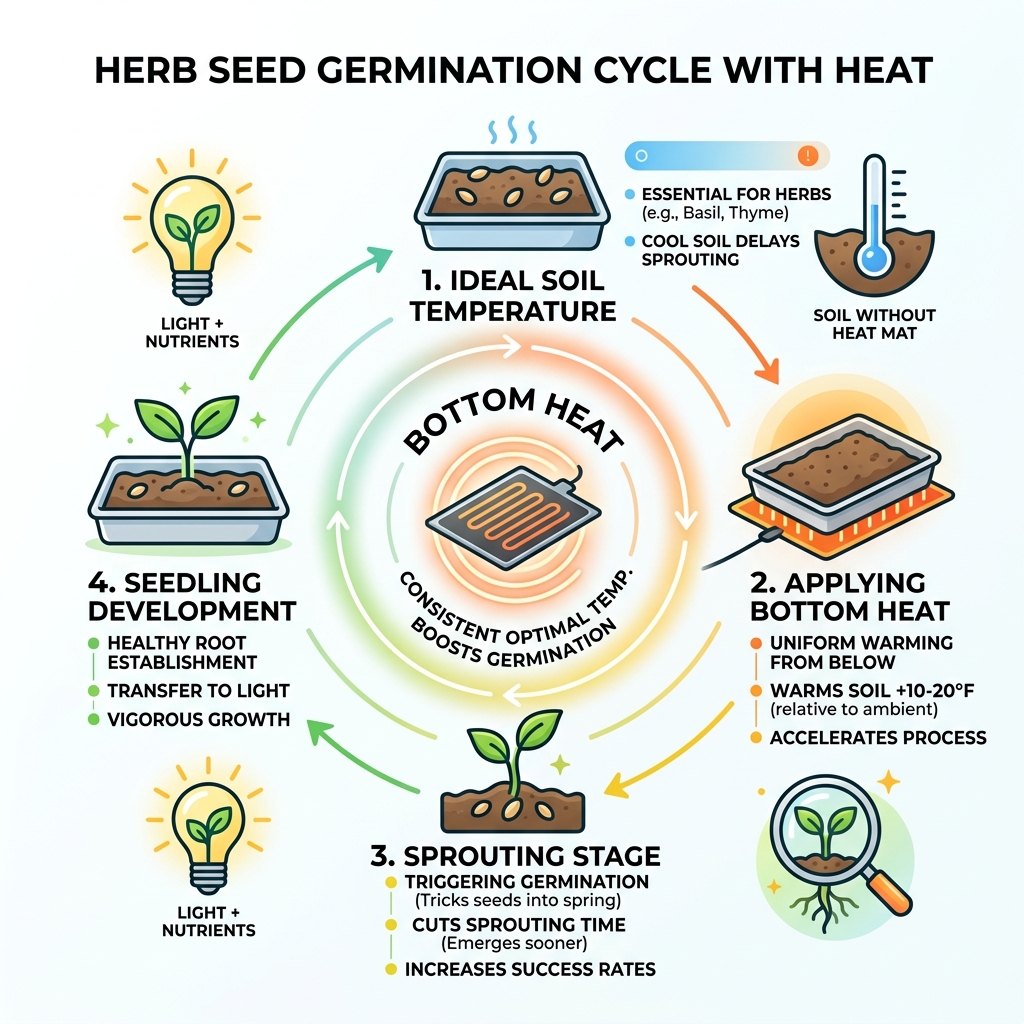
Here’s the core problem most home herb growers face: your soil is colder than you think. Even in a warm room, soil can run 10-20°F cooler than the air temperature around it. For herbs like basil, that cold soil means seeds just sit there — rotting instead of sprouting.
A heat mat fixes this by warming the soil from below. The results are striking. Studies and gardener tests suggest heat mats can:
- Raise germination success rates from around 50% up to 90%
- Cut sprouting time in half
- Get seedlings emerging 10-14 days sooner than without heat
For busy home cooks who just want fresh basil on the counter and herbs ready for weeknight meals, that time difference matters.
The rest of this guide covers the best heat mats available, what features to look for, and exactly how to use them to get your indoor herb garden off to the strongest possible start.
Why Use a Heat Mat for Herb Germination?
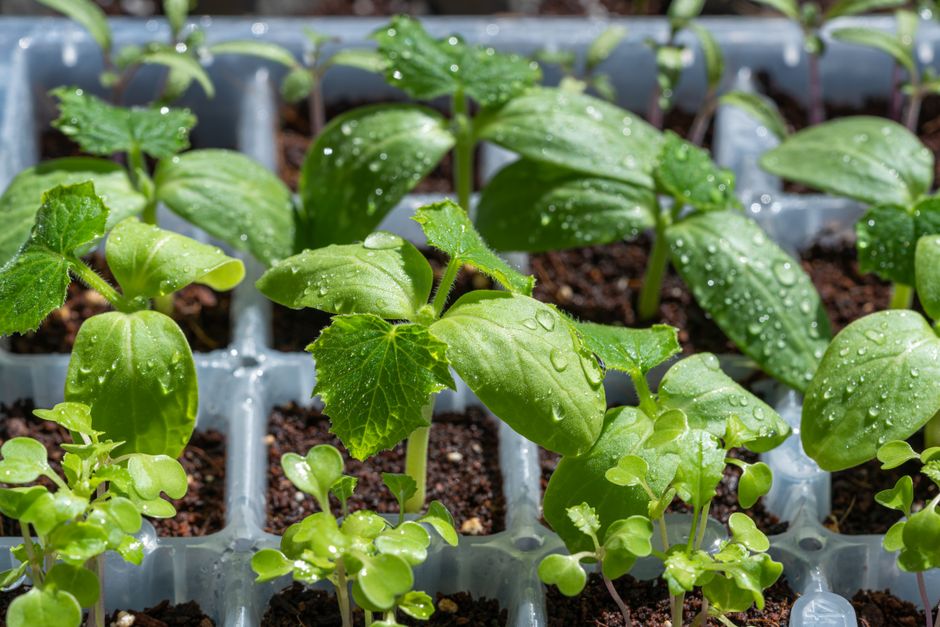
If you have ever stared at a tray of damp soil for three weeks wondering why your expensive rosemary seeds haven’t moved, you aren’t alone. Most herbs are effectively “programmed” to wait for the warm breath of spring before they wake up. By using a heat mat, we are essentially tricking the seeds into thinking it is the perfect time to grow.
Dramatic Germination Success
The statistics for heat mat herb germination are hard to ignore. In tests involving over 120 gardeners, those using heat mats saw their seeds sprout 10 to 14 days sooner than those relying on ambient room temperature. While a standard room might feel comfortable to you at 68°F, the soil inside a plastic tray is often much colder due to evaporation. A heat mat bridges this gap, increasing germination success rates by up to 40%. In many cases, you can achieve a 90% success rate compared to a measly 50% without bottom heat.
Speed and Vigor
It isn’t just about whether the seeds sprout, but how fast they do it. Using a heat mat can cut sprouting time in half. For herbs like basil, which love the heat, this means you move from seed to harvestable plant much faster. This rapid start is a well-known Seedling Heat Mats: The Secret to Faster Seed Germination Indoors tip among pros. When the soil is warm, the metabolic processes inside the seed kick into high gear.
Superior Root Development
Bottom heat encourages roots to grow downward toward the warmth. This creates a robust root system before the plant even puts much energy into its leaves. When you are Starting Herbs From Seeds Indoors, a strong root system is the best insurance policy against transplant shock later on.
Top Features to Look for in Herb Germination Heat Mats
Not all heating pads are created equal. When we are shopping for the “hottest” mats (pun intended), we look for durability and safety first. Since we are dealing with electricity, water, and soil, “cheap” can quickly become “dangerous.”
Waterproof Ratings and Safety
You will often see ratings like IPX4 or IP67 on quality mats. Here is why that matters:
| Rating | What it Means | Best For |
|---|---|---|
| IPX4 | Water-resistant; handles splashes and spills. | Standard indoor herb trays with domes. |
| IP67 | Fully waterproof; can be submerged for short periods. | Heavy-duty setups or very humid environments. |
Always look for a UL listing or ETL testing. This ensures the mat has been laboratory-tested for fire safety. High-quality mats are usually made of heavy-duty, multi-layer PVC that protects the internal heating wires from punctures or moisture.
Energy Efficiency and Heat Distribution
Most standard mats for a single 1020 tray use between 17 and 20 watts. To put that in perspective, running a mat for 8 hours a day for three months usually costs less than $5.00 total.
Uniform heat distribution is another critical factor. Cheaper mats often have “hot spots” where the wires are concentrated, leaving the edges of your tray cold. Premium mats use a dense film or consistent wire spacing to ensure every seed gets the same “Goldilocks” warmth. This is one of the most important Indoor Tools you can invest in for a consistent garden.
Essential Accessories for Heat Mat Herb Germination
While you can plug a mat directly into a wall, adding a few accessories will turn you from a hobbyist into a master herb grower.
- Thermostat Controllers: These are highly recommended. A thermostat allows you to set a specific temperature (like 75°F) and uses a probe to turn the mat on and off as needed. This prevents the mat from “cooking” your seeds if the room gets too warm.
- Humidity Domes: These clear plastic covers trap moisture and heat, creating a mini-greenhouse. You can find more Humidity Tips For Indoor Herbs to help prevent your soil from drying out too fast.
- Soil Thermometers: If you don’t have a thermostat, a simple soil thermometer is essential to make sure you aren’t exceeding 85°F.
- Drip Loops: Always ensure your power cord hangs lower than the outlet before plugging it in. This prevents water from running down the cord into the electrical socket.
How to Set Up Your Heat Mat for Success
Setting up for heat mat herb germination is straightforward, but a few pro tips can make a big difference in your efficiency.
- Choose the Surface: Place your mat on a flat, stable surface. Avoid placing it on cold concrete floors or drafty windowsills if possible. If you must use a cold surface, place a piece of rigid insulation board or even a thick towel under the mat to prevent the heat from being sucked downward.
- The Probe Placement: If using a thermostat, insert the metal probe directly into the soil of one of the center cells. Make sure the probe is at the same depth as the seeds. If it’s just hanging in the air, it will give an inaccurate reading.
- 24/7 Operation: Unlike grow lights, which need to be turned off at night, heat mats should stay on 24 hours a day until the seeds germinate. Consistent warmth is the key.
- Tray Rotation: Even the best mats can have slight temperature variations. Rotate your tray 180 degrees every few days to ensure even growth across the entire flat. This is a classic Guide to Successful Germination With Seedling Heat Mats recommendation.
For more detailed layout ideas, check out our Indoor Herb Garden Setup Tips.
Optimal Temperatures for Heat Mat Herb Germination
Different herbs have different “happy places” when it comes to temperature. While most herbs will sprout in a range of 70-85°F, some are pickier than others.
- Basil: This is the ultimate heat-lover. It prefers 75-80°F. If the soil is 60°F, it may take two weeks to sprout; at 80°F, it can sprout in as little as 3-5 days.
- Rosemary and Lavender: These can be notoriously slow. They appreciate a steady 75°F to help break their dormancy.
- Parsley and Cilantro: These are slightly more tolerant of cooler temps but still germinate much faster at a consistent 70-72°F.
- Thyme and Oregano: These tiny seeds benefit from the 70-75°F range to ensure they don’t rot in damp, cool soil.
Heat mats typically raise the soil temperature by 10-20°F above the ambient room temperature. If your house is a chilly 60°F, your mat will bring the soil to a perfect 70-80°F. If you need to adjust your medium, see our guide on Soil And Fertilizer For Indoor Herbs.
Common Mistakes and Safety Tips
Even with the best equipment, things can go wrong. Here is how to avoid the most common “oops” moments:
- The “Leggy” Trap: One of the biggest mistakes is leaving the seedlings on the heat mat too long after they have sprouted. Once about 50-75% of your seeds have emerged, turn off the mat or move the tray. Excessive heat after germination tells the plant to grow tall and thin (leggy) instead of strong and stocky.
- Overheating: Without a thermostat, a mat can sometimes get too hot, especially if the room temperature rises during the day. If the soil exceeds 90°F, you might actually kill the delicate embryos inside the seeds.
- Drying Out: Heat increases evaporation. Check your trays daily! If the soil surface looks dry, your seeds will stop germinating. Using a humidity dome helps, but you still need to monitor moisture levels.
- Bottom Watering: To avoid disturbing tiny seeds, pour water into the bottom tray and let it soak up into the soil. This keeps the seeds in place and ensures the bottom-heated soil stays moist.
- Preventing Mold: Warm, wet environments are also perfect for mold. If you see fuzzy white growth, remove the humidity dome to improve airflow. We have more tips on Preventing Mold In Indoor Herb Gardens if this becomes a recurring issue.
- Safety First: Never use a damaged mat. If you see a crack in the PVC or a frayed wire, toss it. Also, avoid covering the mat with insulating materials like blankets, as this can cause a fire hazard.
Frequently Asked Questions about Herb Heat Mats
How long should I leave herbs on the heat mat?
You should leave the mat on 24/7 from the moment you sow the seeds until you see the first green sprouts emerging from the soil. Once the majority of the seeds have “popped,” it is time to remove the heat. At this stage, light becomes more important than bottom heat. Removing the heat helps the plant acclimate to room temperature and encourages sturdier stem growth.
Can I use a standard household heating pad instead?
Absolutely not. Household heating pads (the ones for sore muscles) are not designed for the wet, high-humidity environment of seed starting. They lack the necessary waterproof ratings and often get far too hot, posing a significant fire risk. They also don’t have the consistent, low-wattage output required for the 24/7 operation that seeds need. Always use a dedicated seedling heat mat.
Does a heat mat dry out the soil faster?
Yes, it does. Because you are warming the soil from below, evaporation happens more quickly. This is why using a humidity dome is so helpful—it recycles that evaporated moisture. You should check your soil moisture every single morning. If the tray feels light when you lift it, it is time to add some water.
Conclusion
At FinCapitaly, we believe that everyone should have access to the joy of fresh, home-grown herbs. Investing in a quality heat mat is the single best way to ensure your indoor garden starts with a win. By providing that essential bottom warmth, you are giving your basil, rosemary, and thyme the best possible “heartbeat” to start their lives.
Ready to take the next step? Check out our comprehensive guide on How To Start An Indoor Herb Garden or Visit FinCapitaly for more indoor gardening guides to find the perfect seeds and lights to pair with your new heat mat. Happy growing!
