
Why Fresh Basil Belongs on Every Appetizer Platter
Appetizers using basil are some of the easiest, most crowd-pleasing starters you can make — whether you’re hosting a summer party or just need a quick snack.
Here are the most popular basil appetizers to try:
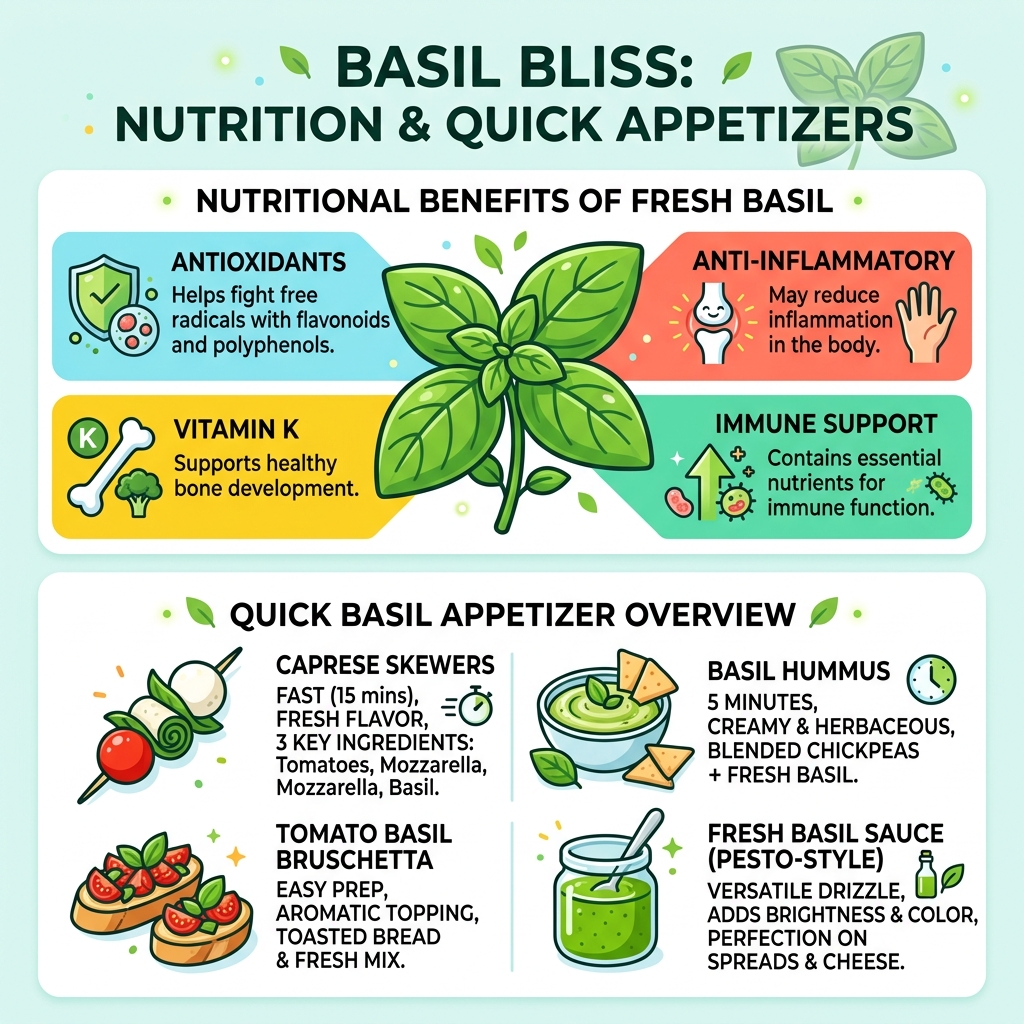
- Caprese Skewers – cherry tomatoes, mozzarella, and fresh basil on a stick, ready in 15 minutes
- Basil Hummus – blended chickpeas with fresh basil, done in 5 minutes
- Tomato Basil Bruschetta – toasted baguette topped with a fresh tomato-basil mix
- Cold Caprese Dip – layered herbed cheese, mozzarella, tomatoes, and basil with crostini
- Caprese Bites – baked mozzarella, tomato, and basil on toasted bread slices
- Fresh Basil Sauce – a simple, pesto-style drizzle for cheese, crackers, or bread
Fresh basil does something special to simple ingredients. It adds brightness, aroma, and a pop of color that makes even the most basic platter look impressive.
The best part? Most of these recipes need fewer than six ingredients and little to no cooking time. A single Caprese skewer comes in at around 80 calories — making these starters as healthy as they are delicious.
Whether you’re growing basil on your windowsill or picking up a bunch at the grocery store, these recipes put every leaf to good use.
Classic Caprese Skewers: The Ultimate Appetizers Using Basil
When we think of the perfect bite-sized party food, Caprese skewers are almost always at the top of our list. They are visually stunning, echoing the vibrant red, white, and green of the Italian flag, and they require absolutely zero actual cooking.
To build these, you’ll want to gather fresh cherry tomatoes, mozzarella pearls (often labeled as bocconcini or ciliegine), and plenty of fresh basil leaves. The process is incredibly fast—you can have a platter ready in just 15 minutes. We recommend threading one tomato, one folded basil leaf, and one mozzarella ball onto each toothpick or mini skewer. For a professional touch, finish them with a drizzle of high-quality extra virgin olive oil or a thick balsamic glaze.
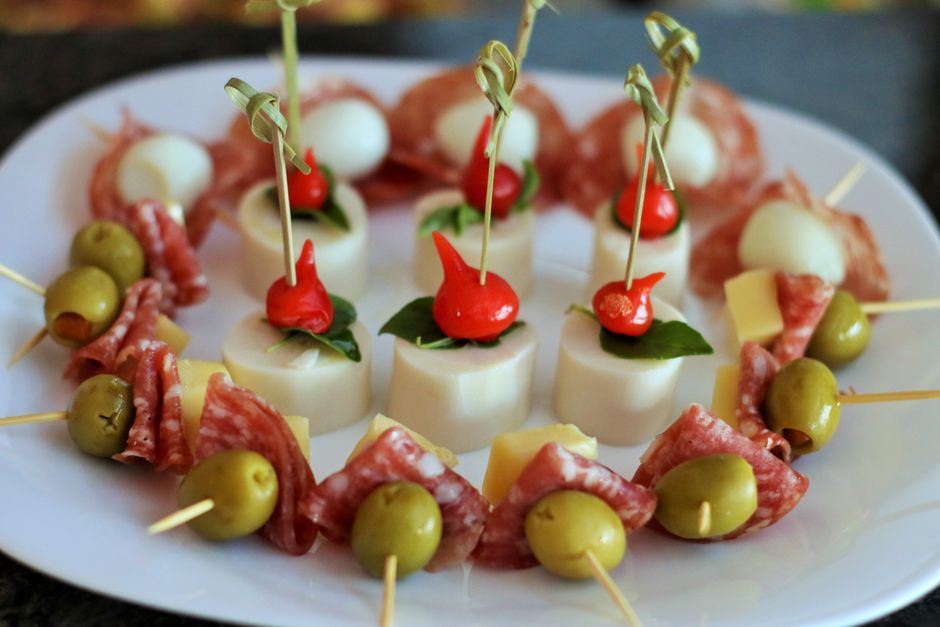
If you are wondering how many to make, a good rule of thumb is to plan for 2 to 3 skewers per person. They are a guilt-free option, too; a single skewer typically contains about 80 calories, 7g of fat, and 4g of protein. If you’re looking for more ways to use your homegrown herbs, check out how delicious appetizers are made easy with indoor basil.
Cherry vs. Grape Tomatoes for Skewering
Choosing the right tomato can make a difference in both flavor and presentation. While both work, here is how they stack up:
| Feature | Cherry Tomatoes | Grape Tomatoes |
|---|---|---|
| Flavor | Sweeter and more “tomato-ey” | Mild, slightly tangy |
| Texture | Thinner skin, juicy | Thicker skin, meaty and firm |
| Best For | Summer peak season flavor | Year-round durability on skewers |
| Pro Tip | Slice in half crosswise to prevent “explosions” | Keep whole for a clean, uniform look |
Creative Variations for Every Diet
One of the reasons we love appetizers using basil is how easily they adapt to different dietary needs. You can swap the traditional mozzarella for a vegan plant-based alternative that holds its shape. For a seasonal twist, try adding a slice of ripe peach or a fresh blackberry to the skewer—the sweetness of the fruit pairs beautifully with the peppery notes of the basil. If you want something heartier, a thin ribbon of prosciutto tucked between the cheese and the herb adds a salty, savory depth. These are naturally gluten-free and low-carb, making them a safe bet for almost any guest list. For a more intense flavor, you can even try Caprese skewers with balsamic drizzle.
Blended and Baked: Hearty Basil Starters
While raw basil is a powerhouse, it also shines when blended into creamy dips or baked until its aroma fills the kitchen. For these heartier starters, the foundation is often a good crusty bread, like a French baguette or sourdough rounds. Brushing your bread with extra virgin olive oil and rubbing it with a halved garlic clove before toasting creates a flavor base that stands up to the bold herb. If you’re new to working with fresh herbs, our beginner’s guide to cooking with indoor basil is a great place to start.
5-Minute Basil Hummus Appetizer
Hummus is a universal crowd-pleaser, but adding fresh basil takes it from a standard snack to a gourmet starter. This is one of the fastest appetizers using basil you can make. Simply toss a can of chickpeas (use them undrained for a smoother texture), lemon juice, garlic, and a generous handful of fresh basil into a high-powered blender.
Process on low for a few seconds, then high until it reaches a vibrant green, silky consistency. At only 111 calories per serving, this protein-packed dip is a healthy alternative to mayo-based starters. Serve it in a bowl surrounded by raw veggies like carrots, cucumbers, and bell peppers, or even salted pretzels. If you’re short on time, you can even use a pre-made indoor basil pesto as your flavor base.
Warm Caprese Bites and Bruschetta
If you prefer your cheese melted and your bread warm, Caprese bites are the answer. Unlike a cold salad, these are assembled on baguette slices and baked at 400°F until the mozzarella is bubbly and golden. We suggest using Roma or Campari tomatoes for this, as they hold their shape well under heat.
A key tip: wait to add the fresh basil until after the bites come out of the oven. This keeps the leaves from turning black and preserves that signature fresh scent. Drizzle with a balsamic reduction just before serving for that perfect sweet-and-tangy finish. This method is quite similar to how we use fresh indoor basil for spaghetti, focusing on adding the herb at the very end to maximize flavor.
Dips and Sauces: Elevating Your Party Platter
Sometimes the best way to serve basil is as a component of a larger spread. Dips and sauces allow guests to customize their experience, whether they are dipping crackers, bread, or vegetables.
Cold Caprese Dip
For a modern twist on the classic salad, try a cold Caprese dip. This recipe uses a base of creamy, herbed Gournay cheese (like Boursin) spread at the bottom of a dish. Top it with a layer of chopped mozzarella, diced tomatoes (pat them dry first to avoid a watery dip!), and a heavy dusting of fresh basil.
To get that beautiful “ribbon” look with your basil, use the chiffonade technique: stack the leaves, roll them tightly like a cigar, and slice them into thin slivers. This dip can be made a day in advance, but remember to save the basil for the final moment to ensure it stays vibrant. For more inspiration on herb-forward spreads, explore our guide on flavor-bursting salsas and dips with indoor basil.
Simple Fresh Basil Sauce for Dipping
If you want the flavor of pesto without the expense of pine nuts or the hassle of a food processor, a simple basil sauce is a catering secret we love to share. It’s a simplified indoor basil pesto that focuses on the herb itself.
Mince about 12 large basil leaves very finely until they almost form a paste. Stir in 3 tablespoons of extra virgin olive oil, a few drops of vinegar, and a pinch of sea salt and black pepper. Let it sit for 10 minutes to allow the flavors to marry. This sauce is incredibly versatile—use it to marinate mozzarella balls, drizzle over a cheese plate, or serve as a dip for crusty bread. It’s an efficient way to add a “wow” factor to any platter.
Pro Tips for Serving and Storing Appetizers Using Basil
The biggest challenge with appetizers using basil is keeping the herb looking as good as it tastes. Basil is notorious for wilting or turning brown when exposed to air or cold temperatures for too long.
To keep your basil vibrant, follow these professional tips:
- Moisture Control: Always ensure your basil leaves are completely dry before assembling skewers or adding them to dips. Excess water speeds up browning.
- The 4-Hour Rule: You can assemble Caprese skewers up to 4 hours in advance. Store them in the refrigerator covered with a damp paper towel, but do not add the balsamic glaze or salt until the very last second. Salt draws out moisture, which will make the leaves wilt.
- Oxidation Hack: If you are making a blended sauce or drizzle, a few drops of lemon juice can help slow down the oxidation process that turns basil brown.
- Temperature Matters: For the best flavor, serve Caprese-style appetizers at room temperature. This allows the fats in the mozzarella and olive oil to soften, releasing more flavor.
- Wine Pairings: Basil’s peppery, clove-like undertones pair beautifully with crisp white wines. We recommend a Sauvignon Blanc or a Pinot Grigio to complement the freshness of the herb.
Knowing which varieties to grow can also help; some types are sturdier than others. You can find more details in our article on the best indoor herbs for cooking.
Frequently Asked Questions about Basil Appetizers
Can I make appetizers using basil ahead of time?
Yes, you can prepare many components in advance. Skewers can be assembled 4 to 12 hours ahead and kept in the fridge. However, the golden rule is to add the basil leaves and any acidic drizzles (like balsamic or lemon) as close to serving time as possible to prevent the leaves from turning dark and limp.
How do I keep fresh basil from turning brown?
Basil reacts to cold and bruising. To prevent browning, store fresh bunches at room temperature in a glass of water (like flowers) rather than in the fridge. When cutting, use a very sharp knife to avoid crushing the cells, and try to use the “chiffonade” method to minimize handling.
What are the health benefits of basil-based snacks?
Basil isn’t just a garnish; it’s a nutritional powerhouse. It contains high levels of Vitamin K, which is essential for bone health and blood clotting. It is also rich in antioxidants and has anti-inflammatory properties, making these appetizers a heart-healthy choice for any party.
Conclusion
At FinCapitaly, we believe that great entertaining doesn’t have to be complicated. Appetizers using basil prove that with just a few fresh ingredients and a little bit of prep, you can create a spread that is both healthy and sophisticated. From the classic snap of a Caprese skewer to the creamy depth of a basil hummus, these recipes are perfect for summer potlucks, holiday gatherings, or a simple weekend brunch.
Ready to get cooking? Explore more recipes and discover how easy it is to bring the fresh taste of herbs into your home.
