
The Essential Caprese Appetizer Recipe: Classic Skewers
When we think of a caprese appetizer recipe, the image that usually comes to mind is the iconic skewer. It is the ultimate “grab-and-go” finger food. Unlike a traditional Caprese salad, which requires a fork and a plate, skewers allow your guests to mingle with a drink in one hand and a perfect burst of Italian flavor in the other.
To make the best version of these, we need to focus on the “bite-sized” aspect. You want every element to fit comfortably in the mouth at once.

The Core Ingredients
- Cherry or Grape Tomatoes: These are the backbone of any small-scale caprese appetizer recipe. We recommend using a mix of red and yellow cherry tomatoes if you can find them; the color contrast looks stunning on a white platter.
- Ciliegine Mozzarella: These are “cherry-sized” mozzarella balls. If you can’t find ciliegine, “perline” (pearl-sized) mozzarella also works beautifully and is even easier to thread.
- Fresh Basil: This is where the magic happens. The aromatic oils in fresh basil provide that signature summer scent. If you are growing your own, check out our guide on how to care for basil indoors to ensure you always have a fresh supply.
- Extra Virgin Olive Oil (EVOO): Use the good stuff here. Since it isn’t being cooked, you will actually taste the fruity, peppery notes of a high-quality oil.
- Balsamic Glaze: This is different from balsamic vinegar. A glaze is reduced until it is thick and syrupy, allowing it to cling to the cheese and tomatoes rather than pooling at the bottom of the plate.
- Sea Salt and Black Pepper: A pinch of flaky sea salt and freshly ground black pepper acts as a flavor megaphone for the tomatoes.
Step-by-Step Assembly for the Best Caprese Appetizer Recipe
Preparation is incredibly fast—most home cooks can whip up 20 to 24 skewers in about 15 minutes.
- Prep the Components: Wash your tomatoes and pat them completely dry. If your mozzarella is packed in water, drain it and pat the balls dry with a paper towel. This prevents the “puddle” effect on your serving tray.
- The Layering Order: We like to start with a tomato on the bottom (it acts as a sturdy base), followed by a folded basil leaf, and then the mozzarella ball.
- The Basil Fold: If your basil leaves are large, don’t just thread them flat. Fold them in half or into thirds before skewering. This keeps the leaf from “flopping” and ensures a concentrated hit of herbal flavor in every bite.
- The Drizzle: Arrange the skewers in a single layer on your platter. Only drizzle the olive oil and balsamic glaze just before serving. If you do it too early, the acid in the vinegar can cause the basil to wilt and turn dark.
- The Seasoning: Finish with a light sprinkle of sea salt. If you’re feeling fancy, a touch of Italian seasoning adds a nice herbal depth.
Ingredient Quality and Substitutions
Because a caprese appetizer recipe relies on so few ingredients, quality is everything. However, we also love a good twist!
- Tomato Varieties: While cherry tomatoes are the standard, slices of Campari tomatoes are excellent if you are making crostini. During peak summer, try using heirloom varieties for a more complex, earthy sweetness.
- Cheese Upgrades: For a creamier texture, look for Buffalo Mozzarella (Mozzarella di Bufala). It is richer and more flavorful than cow’s milk mozzarella. You can also find pre-marinated mozzarella pearls (usually in oil with herbs) to skip the dressing step entirely.
- Fruit Swaps: One of our favorite modern variations is replacing the tomato with a slice of fresh peach or a strawberry. The sweetness of the fruit pairs exceptionally well with the creamy cheese and tangy balsamic.
- Vegan Options: There are many high-quality cashew-based “mozzarella” alternatives available now that mimic the soft texture of the real deal.
- Herb Alternatives: If you’ve run out of basil, fresh mint provides a surprisingly refreshing alternative, especially when paired with the fruit variations mentioned above. For more ideas on what to grow, see our list of the best indoor herbs for cooking.
Creative Variations on the Caprese Appetizer Recipe
While skewers are the gold standard for parties, sometimes you want something a bit more substantial or warm. Expanding the classic trio into different textures can take your hosting game to the next level.
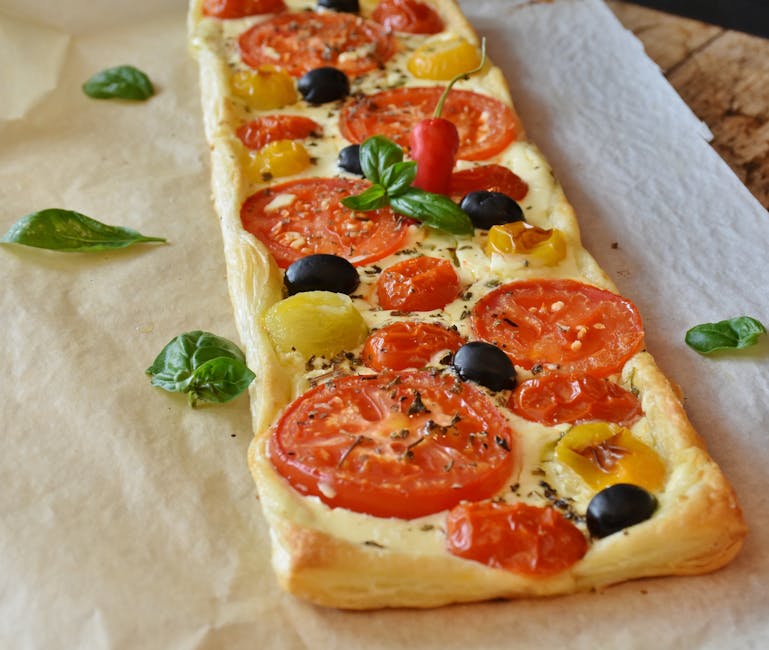
The “Poppable” Baked Caprese Bite
If you want something warm and buttery, try using frozen puff pastry.
- Cut the pastry into 2-inch squares and press them into a mini-muffin tin.
- Place a half-cherry tomato and a small piece of mozzarella in the center.
- Bake at 400°F for about 20 minutes until the pastry is golden and the cheese is bubbly.
- Garnish with fresh basil after baking to keep the herb vibrant.
These “baked bites” are surprisingly low in calories—often around 32 calories per serving—making them a guilt-free party snack.
Caprese Crostini (Bruschetta Style)
For those who love a crunch, the crostini version is a winner. Toast baguette slices brushed with olive oil until they are golden. A pro tip we’ve learned: let the bread cool completely before adding the cheese. If the bread is too hot, the mozzarella will melt into a messy puddle. Once cooled, layer your tomato, basil, and cheese. This version is perfect for delicious appetizers made easy with indoor basil.
The Caprese Antipasto Platter
If you are serving a larger crowd and don’t want to spend time skewering, go for a “deconstructed” platter.
- Prosciutto Wraps: Wrap thin slices of prosciutto around the mozzarella and tomato.
- Roasted Red Peppers: Add ribbons of roasted peppers for a smoky, sweet element.
- Caperberries or Olives: These add a salty, briny “pop” that cuts through the creaminess of the cheese.
Hot vs. Cold Caprese Bites: Which is better?
| Attribute | Fresh (Skewers/Platter) | Baked (Pastry/Crostini) |
|---|---|---|
| Prep Time | 10-15 Minutes | 25-30 Minutes |
| Best For | Hot Summer Days | Winter Holidays / Cocktail Hours |
| Texture | Crisp, Juicy, Creamy | Flaky, Buttery, Melty |
| Longevity | Best within 2 hours | Best served immediately while warm |
Elevating the Flavor Profile
Don’t be afraid to experiment with the “finishing” touches. Instead of a plain balsamic drizzle, try a Pesto Drizzle. Whisk a little olive oil into your favorite pesto to thin it out, then zig-zag it over the skewers.
You can also try a Garlic Rub: if you’re making crostini, rub a raw garlic clove over the toasted bread while it’s still warm. It adds a subtle, spicy aroma without the bite of raw garlic. For those who like a bit of sweetness, a Honey Balsamic (whisking a teaspoon of honey into your balsamic reduction) creates a beautiful glaze that guests will rave about. These techniques are great for creating flavor bursting salsas and dips with indoor basil.
Pro Tips for the Perfect Caprese Appetizer Recipe
Even though this is a simple dish, there are a few “chef secrets” that separate a soggy appetizer from a professional-looking platter.

Moisture Control is Key
The biggest enemy of a good caprese appetizer recipe is excess water.
- Pat Everything Dry: This cannot be overstated. Use paper towels to pat dry the mozzarella pearls and the cut sides of your tomatoes.
- The “Salt” Timing: Salt draws moisture out of tomatoes. If you salt your skewers too early, they will start to “weep,” making the bottom of your platter wet and causing the balsamic glaze to slide right off. Salt them only seconds before they leave the kitchen.
Temperature Matters
While we often keep cheese in the back of the fridge, fresh mozzarella tastes best when it isn’t ice-cold. We recommend letting your assembled (but undressed) skewers sit at room temperature for about 15–20 minutes before serving. This allows the fats in the cheese to soften, resulting in a much creamier mouthfeel.
Avoiding Common Mistakes
- The “Soggy Bread” Syndrome: If making crostini, never put the balsamic glaze on until the very last second. The bread acts like a sponge and will lose its crunch in minutes.
- Wilting Basil: Basil is extremely sensitive to cold and bruising. Never chop your basil with a dull knife (it will turn black), and never put dressed basil back in the fridge. For more tips on keeping your plants healthy, check out how to care for basil indoors 2.
- Cheap Vinegar: Avoid thin, watery balsamic vinegar for drizzling. If you don’t have a glaze, you can make your own by simmering balsamic vinegar in a small saucepan until it reduces by half.
Make-Ahead and Storage Secrets
Can you make these ahead of time? Yes, but with caveats.
- The 24-Hour Rule: You can assemble the “dry” skewers (tomato, basil, cheese) up to 24 hours in advance.
- The Paper Towel Trick: Place the assembled skewers in an airtight container lined with a damp paper towel. This keeps the basil hydrated without making the cheese soggy.
- Storage: Keep them in a single layer. Do not stack them, or the weight will bruise the basil leaves.
- Leftovers: If you have leftover skewers, don’t throw them away! Pull them off the toothpicks, chop them up, and toss them with warm pasta or fold them into a morning omelet for a “Caprese Scramble.”
Serving, Storage, and Safety for Your Party Platters
When we serve food at a party, safety is just as important as taste. Because fresh mozzarella is a soft cheese with high water content, it shouldn’t sit out indefinitely.
The Two-Hour Rule
As a general rule, perishables like fresh cheese should not sit at room temperature for more than two hours. If you are hosting an outdoor summer party, that window shrinks to one hour if the temperature is above 90°F.
Keep It Cool
If you need the platter to stay out longer, try the Ice Bed Method. Place your serving platter on top of a larger tray filled with crushed ice. This keeps the cheese chilled and the tomatoes firm without requiring you to constantly run back to the fridge. This is a must-know tip for how to care for basil indoors 3 and serving it fresh.
Perfect Pairings
Caprese is the “Little Black Dress” of appetizers—it goes with everything.
- Wine: Pair with a crisp Sauvignon Blanc, a dry Rosé, or a light Italian Pinot Grigio. The acidity in the wine matches the acidity in the tomatoes perfectly.
- Charcuterie: Serve alongside prosciutto, salami, and marinated artichokes to create a full Mediterranean spread.
- Main Courses: These bites are the perfect lead-in to a pasta dinner, grilled chicken, or even a homemade pizza night. Speaking of pizza, you can use these same fresh ingredients for enhancing your pizza with homegrown basil.
Frequently Asked Questions about Caprese Appetizers
How far in advance can I assemble caprese skewers?
You can thread the tomatoes, cheese, and basil onto the skewers up to 8 hours in advance for the best quality, though they can last up to 24 hours if stored correctly. The key is to wait until the very last moment to add the oil, salt, and balsamic glaze. If you dress them too early, the salt will make the tomatoes watery and the vinegar will turn the basil brown.
What are the best tomatoes to use for bite-sized appetizers?
For skewers, cherry or grape tomatoes are best because they are sturdy and won’t fall apart. If you are making a layered platter or crostini, Campari tomatoes are the “goldilocks” size—larger than a cherry but smaller than a beefsteak. They are known for being consistently sweet year-round.
How do I keep the basil from turning brown or wilting?
Basil reacts to two things: cold and oxidation. Keep your basil at room temperature as long as possible before assembly. When you do refrigerate your assembled skewers, make sure they are in an airtight container. Also, avoid “bruising” the leaves—handle them gently and use a sharp pair of kitchen shears if you need to trim them. For more on keeping your herbs “bursting” with life, see flavor bursting salsas and dips with indoor basil 2.
Conclusion
At FinCapitaly, we believe that great food doesn’t have to be complicated. The caprese appetizer recipe is a testament to the power of fresh, simple ingredients. Whether you are making classic skewers for a neighborhood BBQ or elegant baked bites for a holiday gathering, the combination of creamy mozzarella, sweet tomatoes, and aromatic basil is a guaranteed success.
By following a few pro tips—like patting your ingredients dry and using high-quality balsamic glaze—you can turn these simple components into a show-stopping dish. Don’t forget that the best caprese starts with the freshest herbs. If you’re ready to start your own indoor herb garden to fuel your kitchen adventures, explore more delicious recipes and tips on our blog.
Now, get out there and get your Caprese on! Your guests (and your taste buds) will thank you.
