
Why Fresh Herbs at Home Beat Supermarket Bundles Every Time
A herb garden starter kit is the fastest way to grow fresh basil, parsley, thyme, and more right on your countertop — no garden, no experience needed.
Top herb garden starter kits at a glance:
| Kit | Best For | Price Range | Pods/Plants |
|---|---|---|---|
| AeroGarden Harvest Elite | Best overall | ~$125-$180 | 6 pods |
| Click & Grow Smart Garden 3 | Small spaces | ~$113-$125 | 3 pods |
| iDOO 12-Pod Hydroponic Kit | Hands-on growers | ~$80-$100 | 12 pods |
| Spade to Fork Organic Kit | Organic/eco-friendly | ~$30-$40 | 5 seed types |
| 9 Herb Window Garden Kit | Budget beginners | ~$25-$35 | 9 herb varieties |
You’ve probably bought a bundle of fresh basil at the supermarket, used two leaves, and watched the rest turn yellow and slimy within days. It’s one of the most common kitchen frustrations. Herbs are expensive, they die fast, and running to the store every time a recipe calls for a sprig of thyme gets old quickly.
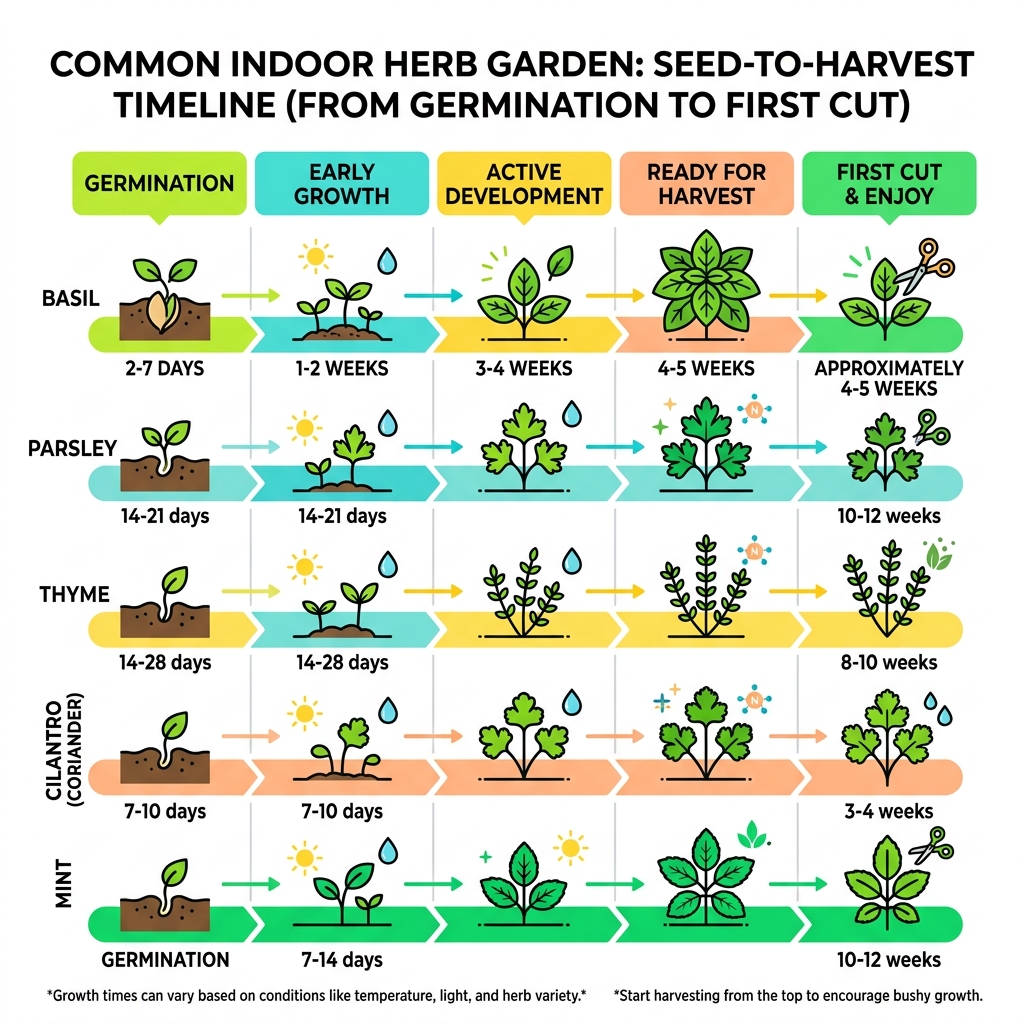
The good news? A starter kit solves this completely. Most kits sprout herbs in 2 to 21 days and are ready to harvest in 3 to 6 weeks — even with zero gardening experience and no natural light.
Whether you want a simple soil-based windowsill setup or a smart hydroponic system with LED lights and app reminders, there’s a kit that fits your kitchen and your budget.
Choosing the Right Herb Garden Starter Kit for Your Space
When we decide to bring the garden indoors, the first hurdle isn’t usually our “black thumb”—it’s our counter space. Before you hit “buy” on a herb garden starter kit, we need to look at where it’s going to live. If you are living in a cozy city apartment, every square inch of your kitchen counter is prime real estate.
Space Optimization and Windowsill Dimensions
For those with limited room, a compact window garden kit is often the best entry point. These kits are designed to sit snugly on a standard windowsill, which usually measures between 4 to 6 inches deep. The 9 Herb Window Garden Kit is a fantastic example of a 34-piece set that maximizes a small footprint, providing nine different herb varieties in reusable pots that won’t take over your entire prep area.
If you have a bit more room, say a dedicated corner of a sideboard or a kitchen island, you might look at something like the AeroGarden Harvest Elite (approx. 10.5 x 6 inches) or the Click & Grow Smart Garden 3 (approx. 12 x 4.75 inches). These units are sleek and modern, designed to look like a high-end appliance rather than a messy science project.
Light Exposure and Drainage
Light is the “food” your plants crave most. Most culinary herbs require at least 6 hours of direct sunlight daily to thrive. If your kitchen windows face north or are blocked by nearby buildings, a basic soil kit might struggle. This is where Indoor Tools like integrated LED grow lights become essential. These lights provide the full spectrum of sun-mimicking rays, allowing you to grow lush basil in a windowless basement if you really wanted to!
Don’t forget drainage. Herbs hate “wet feet.” We always recommend kits that include pots with drainage holes and drip trays. Without them, water sits at the bottom, leading to root rot—the number one killer of indoor herbs. Materials matter too; while plastic is lightweight and affordable, eco-friendly options like the Garden Republic Herb Economy Starter Kit use jute grow bags, which allow the roots to breathe much better than non-porous materials.
Hydroponic vs. Soil-Based Herb Garden Starter Kit
One of the biggest debates in the indoor gardening world is whether to go with dirt or water. Both have their charms, but they offer very different experiences.
| Feature | Hydroponic Kits | Soil-Based Kits |
|---|---|---|
| Growth Speed | Up to 3-5x faster | Standard nature-intended pace |
| Maintenance | Low (Refill reservoir weekly) | Moderate (Check soil daily) |
| Mess Factor | Virtually zero | Occasional soil spills |
| Flavor Profile | Clean and consistent | Often deeper, “earthier” flavor |
| Price | Higher ($80 – $200+) | Budget-friendly ($20 – $50) |
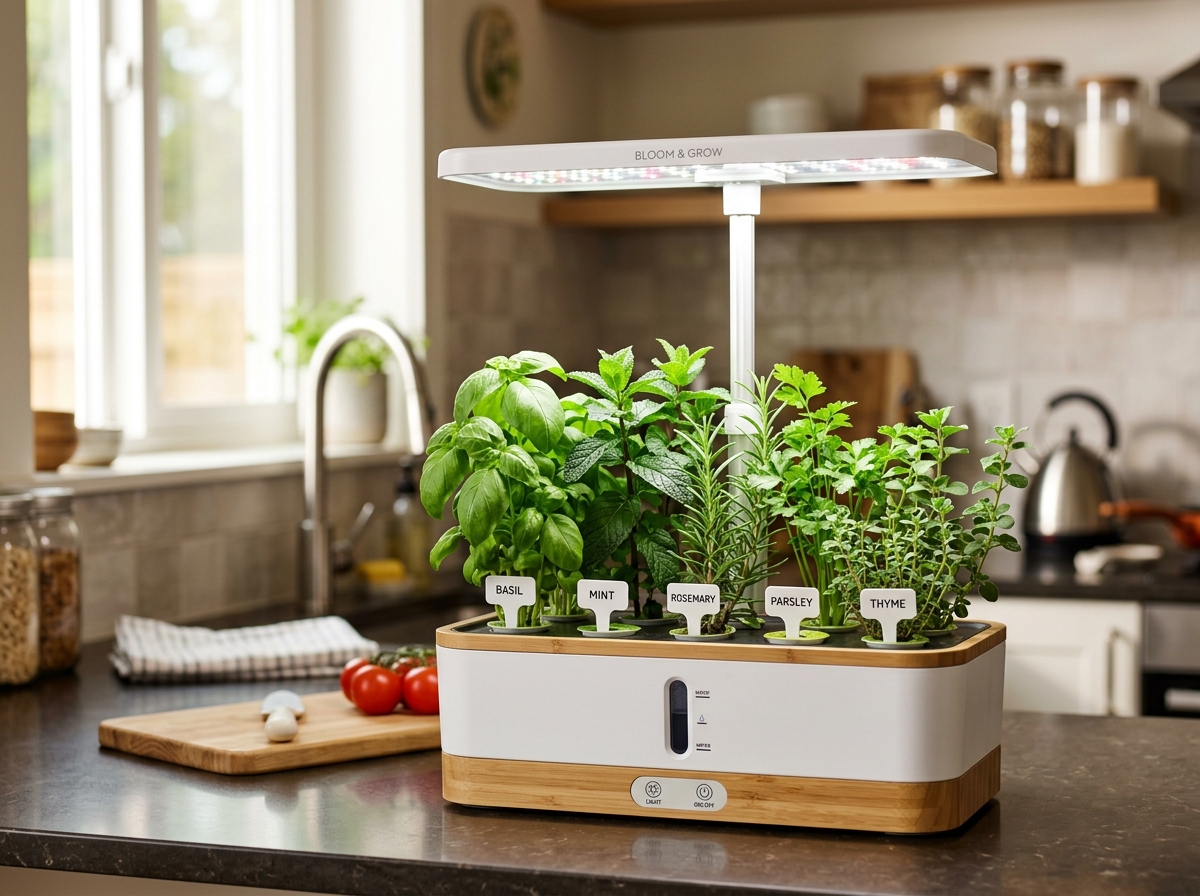
Hydroponic Systems: These are the “set it and forget it” champions. Kits like the iDOO 12-pod system or AeroGarden use a nutrient-rich water solution instead of soil. The roots grow directly into the water, which is often circulated by a small pump. Because the plant doesn’t have to “fight” through soil to find nutrients, it puts all its energy into growing leaves. Research shows that some hydroponic systems can see sprouts in as little as 2 days!
Soil-Based Systems: For the traditionalists, there is something deeply satisfying about digging into the dirt. Soil-based kits like the Indoor Herb Garden Kit – 10 Non-GMO Herb Seeds provide a more natural growing environment. While they grow slightly slower, many chefs swear that soil-grown herbs have a more complex essential oil profile, leading to better flavor in your cooking.
Smart Features in a Modern Herb Garden Starter Kit
We live in the age of the “Smart Home,” and our gardens haven’t been left behind. Modern herb garden starter kit options come packed with tech that makes gardening foolproof.
- LED Grow Lights: Look for kits with adjustable-height lights. As your basil reaches for the sky, you need to be able to raise the “sun” so the leaves don’t get scorched.
- Self-Watering Reservoirs: Some kits feature a “vacation mode” or large tanks that only need refilling every two to three weeks.
- App Integration: High-end models connect to your smartphone. They’ll send you a “feed me” text when the water is low or the nutrients need boosting.
- Automated Timers: Most electronic kits are programmed to stay on for 16 hours and off for 8, mimicking a perfect summer day.
Best Herbs to Grow Indoors Year-Round
Not all herbs are created equal when it comes to living on a kitchen counter. Some are rugged survivors, while others are a bit more… dramatic. When choosing your herb garden starter kit, look for these “all-stars” that consistently perform well indoors.
The “Big Three” for Beginners
- Genovese Basil: The undisputed king of the indoor garden. It germinates quickly (often within a week) and loves the warmth of a kitchen. Plus, nothing beats fresh pesto made from leaves picked seconds ago.
- Flat Leaf (Italian) Parsley: Much more flavorful than the curly variety, parsley is a biennial that handles lower light levels better than most.
- Common Thyme: A hardy perennial that doesn’t mind if you forget to water it for a day. It stays relatively compact, making it perfect for small kits.
Expanding Your Palette
If you’re looking for more variety, kits like the Passport Garden Kit with global-inspired herbs offer unique selections matched to your specific location and season. Other great indoor performers include:
- Cilantro (Coriander): Great for salsa, though it grows fast and needs frequent harvesting to prevent “bolting” (going to seed).
- Mint: Warning—mint is an aggressive grower! We recommend keeping it in its own pot so it doesn’t take over the whole kit.
- Sage and Rosemary: These woody herbs take longer to germinate (sometimes up to 3-4 weeks) but are incredibly rewarding once established.
For more detailed advice on getting your seeds to sprout, check out our Planting Tips.
Setup and Maintenance: From Unboxing to First Harvest
Setting up your herb garden starter kit should be an afternoon of fun, not a weekend of frustration. Most kits, like the Savory Mini Patio Garden Kit, can be assembled in just 20 to 40 minutes.
Setting Up Your New Garden Kit
- Unpack and Inspect: Check your seeds and components. If you’re using a kit with live plants, like those from Bonnie Plants, give them a drink of water immediately to help them recover from shipping.
- Hydrate the Media: If your kit uses soil discs (like the 9 Herb Window Garden Kit), add water and watch them expand 6-8 times their original size!
- Planting: For seeds, follow the “rule of thumb”—don’t bury them too deep. Most herb seeds only need a light dusting of soil or to be tucked into a pre-made hydroponic pod.
- The First Soak: Ensure the initial environment is moist but not swampy. Many kits include humidity domes (clear plastic caps) to create a mini-greenhouse effect that speeds up germination.
Maintaining Your Indoor Garden
Maintenance is the difference between a one-time harvest and a year-round supply.
- Watering Frequency: For soil kits, check the moisture daily by sticking your finger an inch into the soil. If it’s dry, it’s time to water. For hydroponics, keep an eye on the float indicator or app alerts.
- Pruning: This is the “secret sauce.” Once your herbs have 3-4 sets of leaves, pinch off the top set. This encourages the plant to grow outwards (bushy) rather than upwards (leggy).
- Cleaning: Every month, we recommend rinsing out hydroponic reservoirs to prevent algae growth.
- Troubleshooting Root Binding: If your plant looks limp despite having water, check the roots. In small pods, roots can become “bound” or tangled. You may need to trim the roots slightly or move the plant to a larger container like the EarthBox Herb Garden Kit.
Frequently Asked Questions about Indoor Herb Gardening
How long does it take for herbs to germinate and harvest?
Patience is a virtue, but some herbs are faster than others!
- Fastest (2-7 days): Basil, Dill, and certain Lettuce varieties.
- Average (7-14 days): Parsley, Cilantro, and Chives.
- Slowest (14-21+ days): Rosemary, Sage, and Lavender.
Most herb garden starter kit users can expect their first “mini-harvest” (a few leaves for a garnish) within 3 to 4 weeks, with full harvests ready by week 6.
Are there organic and non-GMO herb garden starter kit options?
Absolutely. Many modern gardeners prioritize sustainability. The Spade to Fork Organic Culinary Herb Seed Kit is a top-tier choice, featuring USDA Organic, non-GMO, and open-pollinated seeds. These kits often use OMRI-listed compostable peat pots and soil discs made from coconut coir rather than synthetic materials.
Can I grow more than just herbs in these systems?
Yes! Once you master herbs, the world is your oyster. Many of these systems are versatile enough to grow:
- Microgreens: Nutrient-dense and ready in just 7-10 days.
- Leafy Greens: Butterhead lettuce and kale thrive in hydroponic kits.
- Small Veggies: Cherry tomatoes and “snacking” peppers are popular for larger kits like the Patio Herb Garden Kit.
- Edible Flowers: Pansies and nasturtiums can add a pop of color to your salads and your countertop.
Conclusion
Investing in a herb garden starter kit is more than just a way to save money at the grocery store—it’s a lifestyle upgrade. There is a unique joy in reaching over while you’re cooking and snapping off a stem of fragrant, living basil to toss into your pasta sauce. It transforms your kitchen from a place of chores into a living, breathing culinary laboratory.
Whether you choose a high-tech hydroponic system or a rustic windowsill set, the result is the same: fresher flavors, less waste, and the satisfaction of saying, “I grew that.” At FinCapitaly, we believe that everyone deserves a little bit of green in their home, regardless of how much space they have.
Ready to level up your indoor setup? Check out more info about indoor tools to find the perfect gadgets to support your new growing hobby. Happy planting!
