
The Herb That Will Transform Your Home Cooking
Thai basil indoor growing is simpler than most people think. Here’s a quick overview of what you need to get started:
Quick-start guide to growing Thai basil indoors:
- Light – Provide 10–14 hours of daily light (sunny windowsill or LED grow light)
- Temperature – Keep between 20–25°C (68–77°F)
- Soil – Use well-draining potting mix with a pH of 6.0–7.5
- Water – Water deeply, then let the top inch of soil dry out before watering again
- Germination – Seeds sprout in 5–10 days; first harvest is ready in about 50–60 days
- Pruning – Pinch stems above leaf nodes starting at 6–8 inches tall to keep plants bushy
Thai basil (Ocimum basilicum var. thyrsiflora) is one of those herbs that makes a real difference in the kitchen. The moment you brush your fingers across its leaves, you get that sharp, peppery scent with notes of anise and licorice. It’s a staple in Thai green curry, Vietnamese pho, and dozens of other Southeast Asian dishes.
The problem? Fresh Thai basil is hard to find in many grocery stores. And when you do find it, it wilts fast.
Growing it at home solves both problems. You get fresh leaves on demand, year-round, without the packaging waste or the last-minute grocery run.
The good news is that Thai basil is well-suited to indoor growing. It’s compact, it thrives in containers, and it responds well to regular harvesting. Even in a small kitchen or apartment, you can keep a productive plant going for months.
This guide walks you through everything — from choosing your growing method to harvesting your first bunch.
Thai Basil vs. Sweet Basil: Key Differences
If you’ve ever accidentally swapped Italian sweet basil for Thai basil in a Red Curry, you know the results are… well, edible, but definitely not authentic. While they share a family tree, these two herbs are worlds apart in both looks and personality.
Thai basil, often referred to as Bai Horapa in Southeast Asia, is physically striking. While Italian basil has floppy, bright green, rounded leaves, Thai basil sports sturdy, narrow, matte green leaves with distinct serrated edges. The most dead giveaway, however, is the stem: Thai basil features beautiful, deep purple stems and produces small, edible purple flowers.
In terms of flavor, Thai basil is the “spicy cousin.” It carries a bold, licorice-like or anise aroma that holds up remarkably well under high heat. Italian basil tends to lose its floral sweetness when simmered, which is why it’s usually added at the very end of cooking. Thai basil, conversely, can be tossed into a wok for a stir-fry or simmered in a coconut broth without losing its punch.
| Feature | Thai Basil (Ocimum basilicum var. thyrsiflora) | Italian Sweet Basil (Ocimum basilicum) |
|---|---|---|
| Stem Color | Deep Purple | Bright Green |
| Leaf Shape | Narrow, pointed, serrated edges | Broad, rounded, smooth edges |
| Flavor Profile | Spicy, anise, licorice, clove | Sweet, peppery, floral |
| Heat Stability | High (stays flavorful when cooked) | Low (best used fresh or added late) |
| Growth Habit | Compact and upright | Bushy and spreading |
Understanding these differences is the first step toward mastering Expert care and growing tips for your indoor herb garden.
Essential Conditions for Growing Thai Basil Indoor
To successfully manage a thai basil indoor garden, we need to replicate the tropical warmth of Southeast Asia. It sounds like a tall order for a kitchen in the middle of winter, but it’s entirely doable with the right setup.
Lighting: The 10-Hour Rule
Basil is a sun-worshiper. While it can survive on a very bright, south-facing windowsill, most indoor environments don’t provide enough natural light for the plant to thrive. To prevent your basil from becoming “leggy” (tall, thin, and weak), aim for 10–14 hours of daily light.
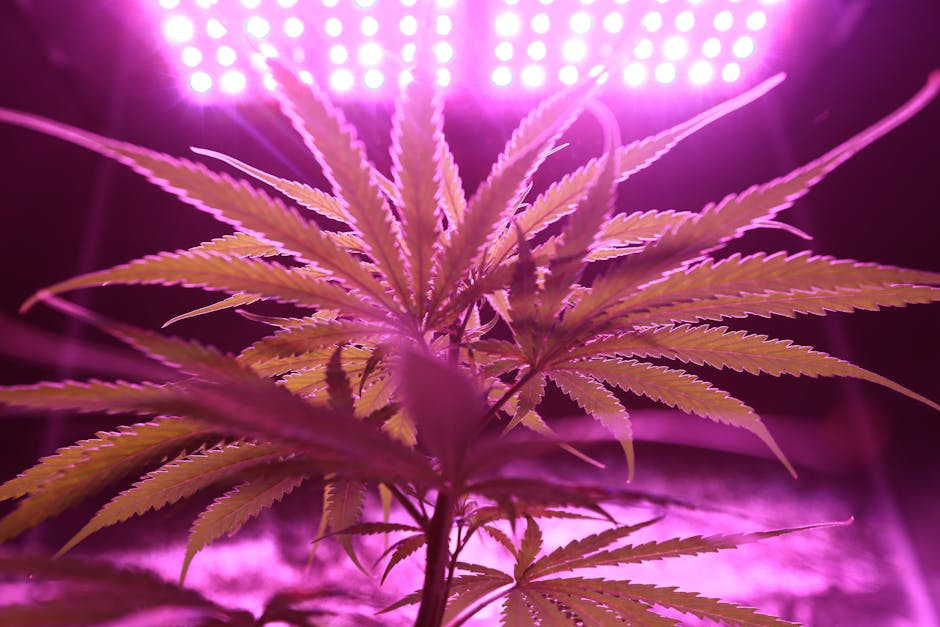
If your windows aren’t cutting it, a high-quality LED grow light is a game-changer. These lights should be hung approximately 6 to 12 inches above the plant canopy to provide maximum intensity without burning the leaves. You can find More info about grow lights to help you choose the right spectrum for leafy greens.
Temperature and Humidity
Thai basil thrives in warmth. We recommend keeping your indoor grow space between 20–25°C (68–77°F). If you feel a chill from a drafty window, your basil feels it too.
Humidity is the secret ingredient for lush leaves. In a hydroponic or indoor soil setup, aim for humidity levels between 50–65%. If your home is dry—especially during heating season—consider using a humidifier or a simple pebble tray with water beneath your pots. For those struggling with dry air, check out these Tips for managing indoor humidity.
Soil and pH
For soil-grown plants, the medium must be well-draining. Thai basil hates “wet feet,” which leads to root rot. Use a high-quality potting mix (avoid garden soil, which is too heavy and may contain pests) and aim for a pH between 6.0 and 7.5.
Starting Your Thai Basil Indoor Garden
Starting your garden is an exciting process, and you have two main paths: starting from scratch with seeds or “cloning” an existing plant through cuttings. If you’re new to this, you might want to read More info about starting an indoor herb garden for a broader perspective on herb selection.
Starting Thai Basil Indoor from Seeds
Starting from seed is the most cost-effective method and gives you access to specific cultivars like ‘Siam Queen’ or ‘Cardinal’.
- Sowing Depth: Sow seeds no deeper than 1/8 inch. Thai basil seeds actually need a bit of light to trigger germination, so a light dusting of soil is plenty.
- Temperature: Keep the soil consistently warm, ideally between 70–75°F. Using a heat mat can speed things up.
- Timeline: You should see tiny green sprouts appearing in 5–10 days.
- Moisture: Use a spray bottle to mist the soil surface. This keeps it moist without washing the tiny seeds away.
Propagating Thai Basil Indoor from Cuttings
If you have a fresh bunch of Thai basil from the supermarket or a friend’s garden, you can skip the seedling phase entirely. This is often faster and yields a “mature” plant much sooner.
- Selection: Choose a healthy, non-flowering stem that is 4–6 inches long.
- Preparation: Use a clean pair of scissors to cut just below a leaf node (the bump where leaves grow). Remove the leaves from the bottom 2 inches of the stem.
- Rooting: Place the stem in a glass of clean water. Ensure no leaves are submerged, as they will rot.
- Development: Place the glass in a bright spot (but not direct, scorching sun). Change the water every day or two. You’ll see white roots emerging in 1–3 weeks.
- Transplanting: Once the roots are about 2 inches long, gently pot the cutting into a well-draining potting mix.
Maintenance: Pruning, Watering, and Fertilizing
Once your thai basil indoor plant is established, it needs regular “haircuts” and a steady diet to stay productive. For general basil maintenance tips, you can refer to our guide on how to care for basil indoors.
Watering and Fertilizing
The golden rule for watering is: soak, then dry. Water the plant deeply until water runs out of the drainage holes, then wait until the top inch of soil feels dry to the touch before watering again. Always water at the base of the plant; wetting the leaves can invite fungal diseases like powdery mildew.
Since containers have limited nutrients, your basil will need a boost. We suggest using a balanced 10-10-10 organic fertilizer every 2–3 weeks during the growing season. If you want to dive deeper into nutrient management, check out this Guide to soil and fertilizer for herbs.
Pruning for Bushy Growth
Many beginners are afraid to cut their plants, but with Thai basil, the more you cut, the more you get! If you don’t prune, the plant will become “leggy” and eventually produce flowers, which signals the end of its leaf-producing life.
- The 6-Inch Rule: Begin pruning when your plant reaches 6–8 inches tall.
- Where to Cut: Always snip the stem just above a set of two leaves. This encourages the plant to grow two new branches from that point, doubling your yield.
- The 1/3 Rule: Never remove more than 1/3 of the plant’s total foliage at once. This ensures the plant has enough energy to recover.
- Flower Patrol: Pinch off any purple flower buds as soon as they appear. This redirects the plant’s energy back into growing those delicious leaves.
For a visual guide on these techniques, see our article on pruning herbs for healthy growth.
Managing Pests and Diseases Indoors
Even though growing thai basil indoor protects your plants from many garden pests, a few persistent hitchhikers like aphids, whiteflies, and spider mites can still find their way in.
Common Pests
- Aphids: Tiny green or black insects that cluster on the undersides of leaves.
- Spider Mites: Tiny red dots that leave fine webbing on the plant.
- Whiteflies: Small white “dust” that flies up when you shake the plant.
If you spot these, don’t panic. A simple application of neem oil or insecticidal soap usually does the trick. You can find more targeted strategies in our indoor herb pest control tips.
Disease Prevention
The biggest threat to indoor basil is usually fungal, specifically powdery mildew or root rot. These are almost always caused by poor air circulation or overwatering. To prevent this, space your plants 10–12 inches apart to allow for airflow. If you’re growing in a tight space, a small oscillating fan can work wonders. For more on keeping your garden clean, read about preventing mold in indoor gardens.
You can also find more troubleshooting tips in this Expert guide to growing Thai basil.
Harvesting and Culinary Applications
After about 50–60 days, your thai basil indoor garden should be ready for a serious harvest.
How to Harvest
For the best flavor, harvest your basil in the morning when the essential oil concentration is at its peak. Use sharp shears to snip stems, following the pruning rules mentioned earlier. If you only need a few leaves for a garnish, pinch off the older, larger leaves from the bottom of the plant first.
Culinary Uses
Thai basil is much more than a garnish; in many Southeast Asian cultures, it’s used almost like a vegetable.
- Pad Kra Pao: While traditionally made with Holy Basil, Thai sweet basil is a delicious and common substitute for this spicy stir-fry.
- Pho: A essential fresh topping for Vietnamese noodle soup, alongside lime and bean sprouts.
- Green Curry: Stir in a handful of whole leaves at the very end of cooking to infuse the sauce with anise aroma.
- Infused Oils: If you have a surplus, blend the leaves with olive oil and freeze them in ice cube trays for a quick flavor bomb later in the year.
Explore other ways to use your harvest with our list of the best indoor herbs for cooking.
Frequently Asked Questions about Thai Basil
Does Thai basil need direct sunlight?
Yes, it loves it! Ideally, it needs at least 6–8 hours of direct sun. Indoors, this usually means a south-facing window. If you don’t have one, you’ll definitely need a grow light to provide the 10–14 hours of “artificial sun” required for optimal growth.
Why are my Thai basil leaves turning yellow?
Yellowing leaves are usually a cry for help regarding watering or nutrients. Most often, it’s overwatering (check if the soil is soggy). However, if the soil is fine, the plant might be lacking nitrogen. Try a diluted liquid fertilizer to see if the green color returns.
Can I grow Thai basil from supermarket cuttings?
Absolutely! In fact, many indoor gardeners prefer this method because it’s faster than starting from seed. Just make sure the bunch you buy is fresh and hasn’t been refrigerated too long, as extreme cold can damage the “nodes” needed for rooting.
Conclusion
At FinCapitaly, we believe that gardening shouldn’t be limited by the size of your backyard or the climate outside. Growing thai basil indoor is a rewarding way to ensure a year-round supply of one of the world’s most aromatic herbs. From the first sprout to the final stir-fry, the journey of growing your own food provides a sense of freshness and sustainability that store-bought herbs simply can’t match.
Whether you’re starting with a single pot on a windowsill or a high-tech hydroponic system, the keys to success are simple: plenty of light, consistent warmth, and regular pruning. Start your indoor garden today and bring the authentic flavors of Southeast Asia right into your kitchen!
