
The Best Indoor Herb Garden Kits for Fresh Herbs Year-Round
Herb garden kit indoor systems make it easy to grow fresh basil, parsley, mint, and more — right on your countertop, no green thumb required. Herb gardening has never been more accessible for the modern home cook.
Quick answer — top indoor herb garden kit types at a glance:
| Kit Type | Best For | Time to First Harvest |
|---|---|---|
| Hydroponic (Smart Systems) | Hands-off, fast growth | 3-4 weeks |
| Soil-based seed kit | Organic, budget-friendly | 4-6 weeks |
| Pre-rooted plant kit | Fastest results | 10-14 days |
| Smart pod system | Complete beginners | 2-4 weeks |
If you’re a busy home cook, you already know the difference between dried herbs from a jar and fresh herbs snipped seconds before a meal. But growing herbs indoors has a reputation for being tricky — poor light, wrong soil, plants that wilt for no obvious reason.
That’s exactly why indoor herb garden kits exist.
They bundle everything you need — seeds or starter plants, growing medium, containers, and often built-in lighting — into one simple system. Some even germinate basil in as little as 3 weeks.
The challenge? There are a lot of options. Hydroponic vs. soil-based. Pre-seeded pods vs. your own seeds. Compact 3-pod units vs. 12-pod countertop gardens. Prices and features vary widely.
This comparison breaks it all down so you can pick the right kit for your space, budget, and cooking habits.
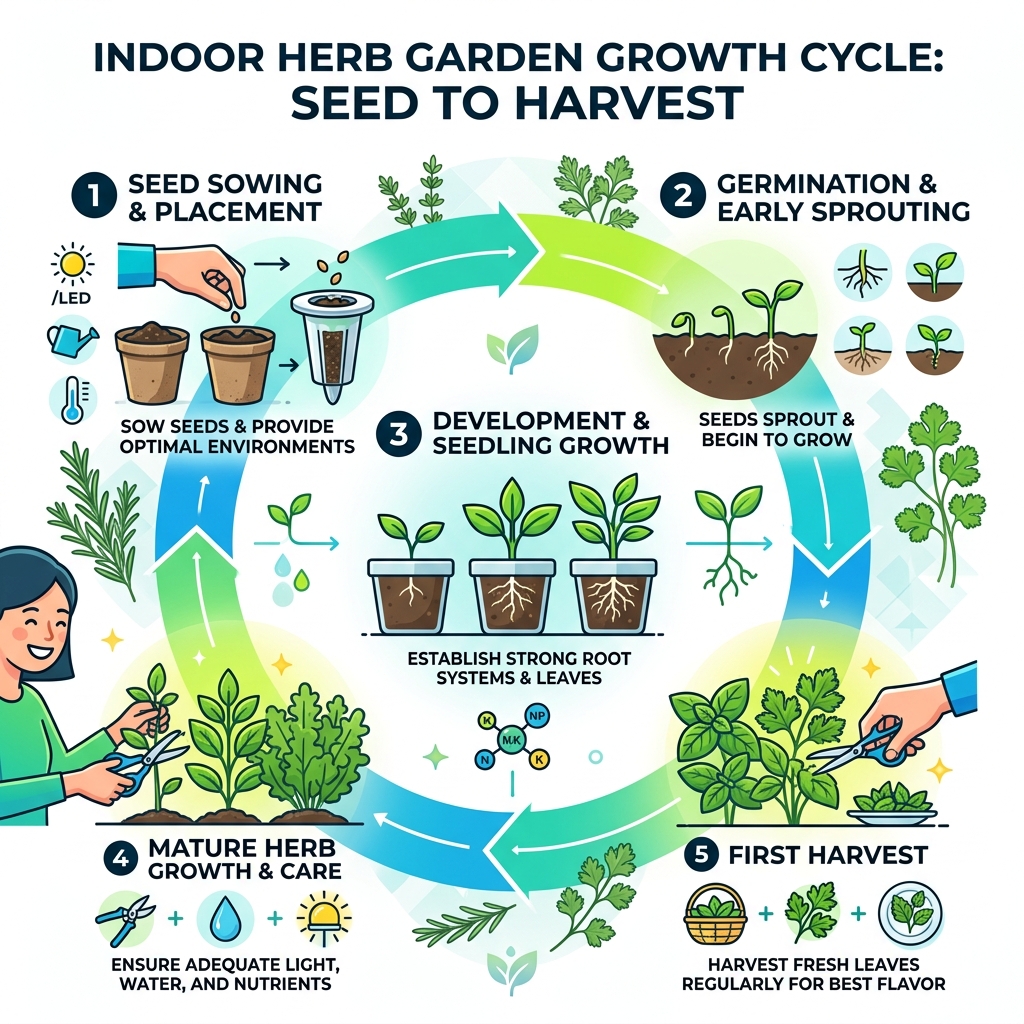
Understanding the Herb Garden Kit Indoor Experience
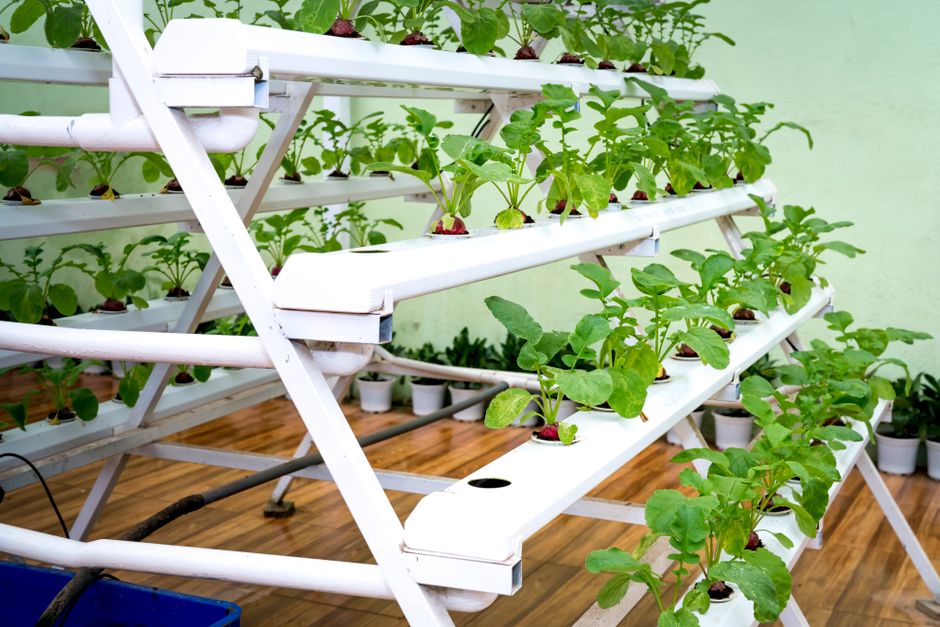
When we talk about a herb garden kit indoor system, we aren’t just talking about a pot and some dirt. Modern kits are designed to solve the three biggest hurdles of indoor gardening: light, water, and nutrients. Whether you live in a sun-drenched house or a basement apartment, these systems bring culinary convenience to your fingertips.
By integrating technology like LED grow lights and sub-irrigation reservoirs, these kits allow us to maintain a steady supply of organic produce without needing a backyard. It is no surprise that top-rated models often boast customer satisfaction ratings as high as 4.9/5. They turn a difficult hobby into a repeatable, successful process. For those just starting, exploring Indoor Gardening Kits for Beginners is a great way to see how space efficiency and sustainable living can coexist in even the smallest kitchen.
Key Benefits of an Indoor Herb Garden Kit
The most obvious perk is year-round harvesting. While outdoor gardens are at the mercy of the frost, an indoor kit keeps your cilantro and basil thriving in the dead of winter. Beyond the plate, there are several other reasons we love these systems:
- Pesticide-Free & Organic: You control exactly what goes into your plants. Many high-quality kits use USDA Organic and non-GMO seeds.
- Cost Savings: A single bunch of organic basil at the grocery store can cost $4. A kit allows you to harvest from the same plant for months.
- Stress Reduction: There is a documented “zen” to gardening. Tending to your herbs can be a wonderful daily ritual to lower stress levels.
- Educational Value: Kits often include curriculum or guides, making them perfect for teaching kids where their food comes from.
If you are worried about the difficulty level, don’t be. There are many Easy Herbs for Beginners to Grow Indoors that require very little maintenance once the kit is set up.
Choosing the Right Herb Garden Kit Indoor for Your Space
Before clicking “buy,” we need to consider the countertop footprint. A 12-pod system might offer a massive harvest, but it won’t help if it takes up your entire meal-prep area.
- Aesthetic Design: Some kits feature sleek stainless steel or bamboo finishes, while others are minimalist white plastic. Choose one that matches your kitchen decor.
- Portability: If you like to move your plants to follow the sun (or hide them when guests arrive), look for kits with handles or lightweight grow bags.
- Light Requirements: If your kitchen is dark, a kit with a built-in LED lamp is non-negotiable. If you have a bright south-facing window, a simple soil-based kit might suffice.
- Scalability: Some systems allow you to connect multiple units. This is a popular choice for an Indoor Herb Garden for Apartments where vertical space is more available than horizontal space.
Comparing Hydroponic vs. Soil-Based Systems
The “engine” of your herb garden kit indoor is how it delivers food and water to the plants.
Hydroponic systems (like leading smart gardens) use water instead of soil. The roots sit in a nutrient solution, which often leads to faster growth. For example, some hydroponic basil can be ready to harvest in just 3 weeks. These systems usually include aeration screens to keep the water oxygenated and prevent root rot.
Soil-based systems (like traditional self-watering kits) are more traditional. They use a potting mix or compressed coir (coconut husk) discs. While they might grow a bit slower, many gardeners prefer the flavor profile that soil provides. Some soil kits use sub-irrigation, where a water reservoir at the bottom wicks moisture up to the roots, preventing the common mistake of overwatering. If you’re leaning toward the traditional route, learning How to Start an Indoor Herb Garden with soil is a rewarding skill.
Pre-seeded Pods vs. User-Seeded Options
This is the “Keurig vs. Espresso Machine” debate of the gardening world.
- Pre-seeded Pods: Leading smart garden brands offer “plug-and-play” pods. You drop them in, and you’re done. They often come with a germination guarantee, meaning if the seed doesn’t sprout, they’ll send a replacement.
- User-Seeded Options: Versatile soil-based kits let you use your own seeds. This is great for growing rare heirloom varieties or saving money on proprietary refills. However, the cost per harvest is lower with your own seeds, but the “fail rate” can be slightly higher if the seeds are old.
How Indoor Systems Facilitate Growth
The magic happens through a combination of tech and biology. Most high-end kits include:
- Full-Spectrum LED Grow Lights: These mimic natural sunlight and usually operate on automated timers (e.g., 16 hours on, 8 hours off).
- Passive Watering: Advanced automated systems use a wick to draw exactly the right amount of water, while some reservoir systems use an overflow drain.
- Germination Domes: These clear plastic caps create a mini-greenhouse effect, trapping heat and moisture to wake up the seeds.
- Nutrient Delivery: Hydroponic kits require you to add liquid “plant food” every two weeks, while some soil kits come with “soil primer” or “herb serum” to boost root health. For more on the technical side, check out our Indoor Herb Garden Setup Tips.
Essential Components and Features to Look For
When unboxing your herb garden kit indoor, you should expect a few standard items. A quality kit usually includes:
- Seeds: Look for Non-GMO, heirloom, or organic varieties.
- Growing Medium: This could be peat pods, soil discs, or coco coir.
- Containers: Pots, burlap bags, or a sleek plastic reservoir.
- Plant Markers: Custom wood-burned or bamboo markers help you remember which is the parsley and which is the cilantro (they look surprisingly similar when young!).
Beyond the basics, “smart” features are becoming standard. Some kits offer app integration that pings your phone when the water is low. Adjustable lamp heights are also crucial; you want the light close to the seedlings, but you need to be able to raise it as the plants grow to avoid burning the leaves.
Guarantees and Manufacturer Support
One of the best reasons to buy a kit instead of DIY-ing it is the safety net. Many reputable manufacturers offer:
- Germination Guarantees: Some premium brands offer a full-year grow guarantee. If it doesn’t sprout, they replace it.
- Warranties: Top-tier manufacturers typically offer 1- to 2-year warranties on the electronics.
- Detailed Growing Guides: A 26-page guide (included in many professional kits) is worth its weight in gold for a novice.
Customization and Refill Flexibility
We always recommend checking if a kit forces you into a “closed ecosystem.” Some brands require you to buy their specific (and sometimes expensive) proprietary refills. Others are more flexible, allowing you to use universal soil discs or seedless sponges. If sustainability is a priority for you, look for kits with compostable peat pots or plastic-free packaging.
Best Herbs and Maintenance for Success
Not all herbs are created equal when it comes to indoor life. Based on our research and testing, here are the top performers for a herb garden kit indoor:
- Genovese Basil: The undisputed king of indoor gardens. It grows fast and loves the heat of LED lights.
- Cilantro: Can be finicky outdoors, but thrives in the controlled environment of a kit. Look for “slow-bolt” varieties.
- Mint: A vigorous grower that can actually take over a garden if you aren’t careful!
- Parsley and Chives: Slower to start but very hardy once established.
Most kits will see sprouting within 7–14 days, and you can expect your first harvest of leafy greens in about 3 to 4 weeks.
Setup and Daily Operation
Setting up most kits takes between 10 and 30 minutes.
- Hydrate: If using soil discs, you’ll need to soak them in water until they expand.
- Plant: Drop in the seeds or pods.
- Fill: Add water to the reservoir.
- Plug in: Set the timer for the lights.
Daily operation is mostly hands-off. You’ll need to check the water reservoir every few days and add nutrients if the system prompts you. Pruning is the most important “active” task; by snipping off the top leaves, you encourage the plant to grow bushier rather than taller.
Overcoming Common Challenges
Even with the best herb garden kit indoor, you might run into a few hiccups:
- Algae Prevention: If you see green gunk on your grow sponges, it’s usually algae. Covering the sponge surface to block light can help.
- Light Blockage: Fast-growing herbs (like basil) can overshadow smaller ones (like thyme). Regular pruning keeps the “canopy” even so everyone gets light.
- Vacation Mode: High-end models have a “vacation mode” that dims the lights and reduces water usage, keeping your plants alive while you’re away.
- Pests: While rarer indoors, gnats can occasionally appear. Using sterile potting mixes included in kits helps prevent this.
Frequently Asked Questions about Indoor Herb Gardening
Can I use my own seeds in a pre-packaged kit?
Yes, in most cases. While some brands prefer you use their pods, you can often buy “seedless” pods or sponges and insert your own heirloom seeds. This is a great way to customize your garden once you get the hang of things.
How much light do indoor herbs need daily?
Most herbs need about 14–16 hours of light if using LEDs, or 6–8 hours if relying on a very sunny window. Most kits automate this for you so you don’t have to remember to flip the switch.
Are indoor herb garden kits safe for households with pets?
Generally, yes. Growing in a kit keeps the “dirt” contained, which discourages cats and dogs from digging. However, be aware that while herbs like parsley and basil are safe, some plants (like tomato stalks or certain flowers) can be toxic if your pet decides to have a snack.
Conclusion
Investing in a herb garden kit indoor system is about more than just fresh food; it’s about bringing a bit of nature into your home and the satisfaction of saying, “I grew that.” Whether you choose a high-tech hydroponic setup or a rustic soil-based kit, the result is the same: vibrant, flavorful ingredients that elevate every meal.
At FinCapitaly, we believe that sustainable gardening should be accessible to everyone, regardless of their living situation. By choosing the right kit and following a few simple maintenance steps, you’ll be enjoying homegrown pesto and mint mojitos in no time. Ready to get started? Explore more indoor gardening tools to find the perfect match for your kitchen.
