
Fresh Basil at Your Fingertips: Why a Kitchen Grow Kit Changes Everything
A basil starter kit kitchen setup is one of the easiest ways to grow fresh herbs indoors — no garden, no experience, and no green thumb required.
Here are the best kitchen basil grow kits at a glance:
| Kit Type | Best For | Germination Time |
|---|---|---|
| Classic Italian/Genovese | Cooking & pesto | 5-14 days |
| Mini Windowbox | Small spaces | 7-14 days |
| Hydroponic Bottle | Eco-friendly growing | 5-10 days |
| Wooden Planter Kit | Gifts & decor | 5-14 days |
| No-Transplant Can Garden | Mess-free beginners | 7-14 days |
| Heirloom Multi-Pack | Variety & value | 7-14 days |
| Beginner Tin Kit | First-time growers | 2-3 weeks |
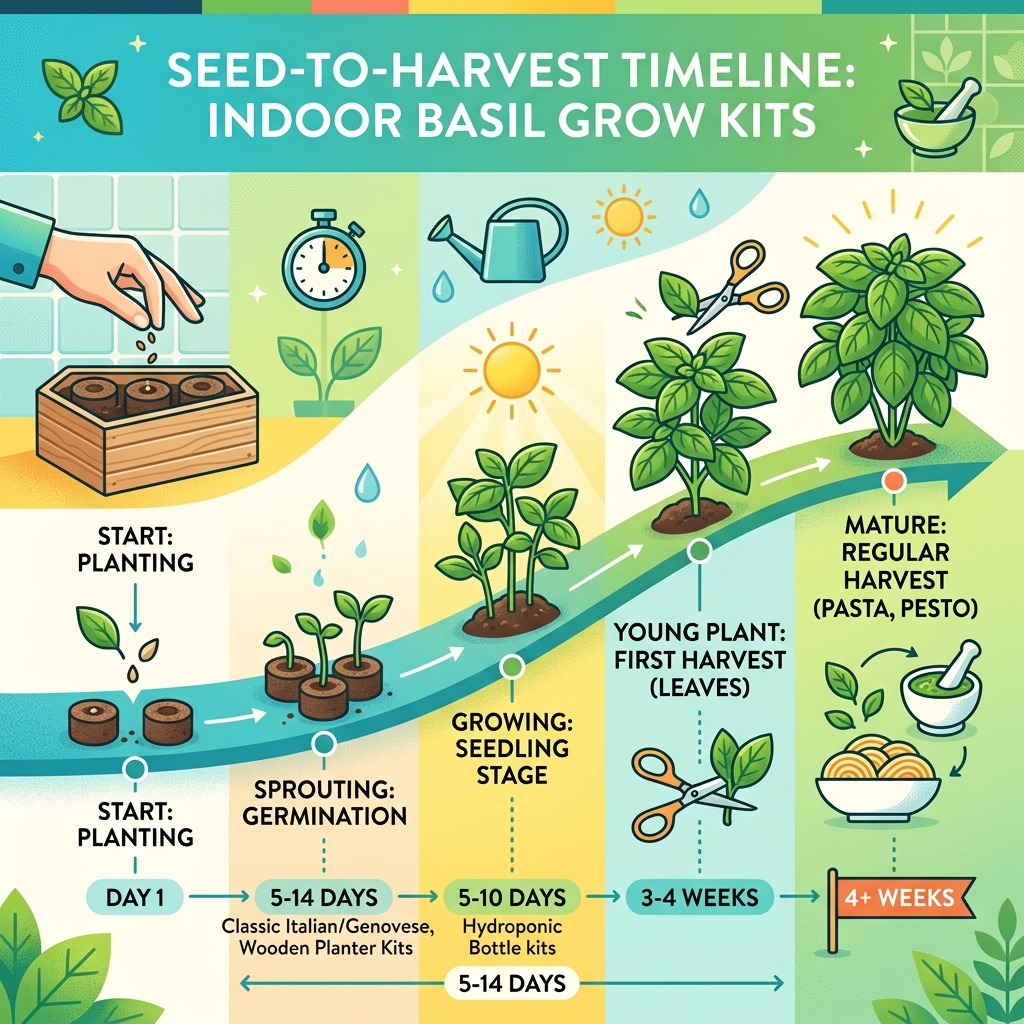
Most kits go from seed to harvest in just 3-4 weeks. That means fresh basil for your pasta, pesto, or salad in under a month.
If you’re a busy home cook with limited counter space, these kits are designed specifically for you. They include everything — seeds, soil, and a planter — in one compact box. Many are organic and non-GMO, so you know exactly what’s going into your food.
The challenge most people face isn’t wanting to grow herbs. It’s not knowing where to start. Too many options, confusing care instructions, and past failures make it feel harder than it is.
It doesn’t have to be that way.
Below, we break down the 7 best basil starter kits for your kitchen — so you can pick the right one and start growing today.
Essential Components of a Basil Starter Kit Kitchen
When you open a basil starter kit kitchen box, you are essentially unboxing a miniature farm. But what exactly makes these kits “all-inclusive”? Most high-quality kits focus on organic and non-GMO components to ensure your culinary herbs are as healthy as they are delicious.
The “magic” usually starts with the growing medium. Instead of a heavy bag of dirt, you’ll often find compressed soil disks or pellets. These are frequently made from coco coir (coconut husk) or peat-free mediums, which are eco-friendly and excellent at retaining moisture without becoming waterlogged. When you add lukewarm water, these disks expand to fill your planter in minutes.
Other essential components include:
- Premium Seeds: Look for kits that offer high-germination varieties like Genovese or Italian Large Leaf.
- Drainage Systems: Whether it’s a galvanized metal pot, a wooden planter, or a recycled bottle, proper drainage or a specialized soil blend is key to preventing root rot.
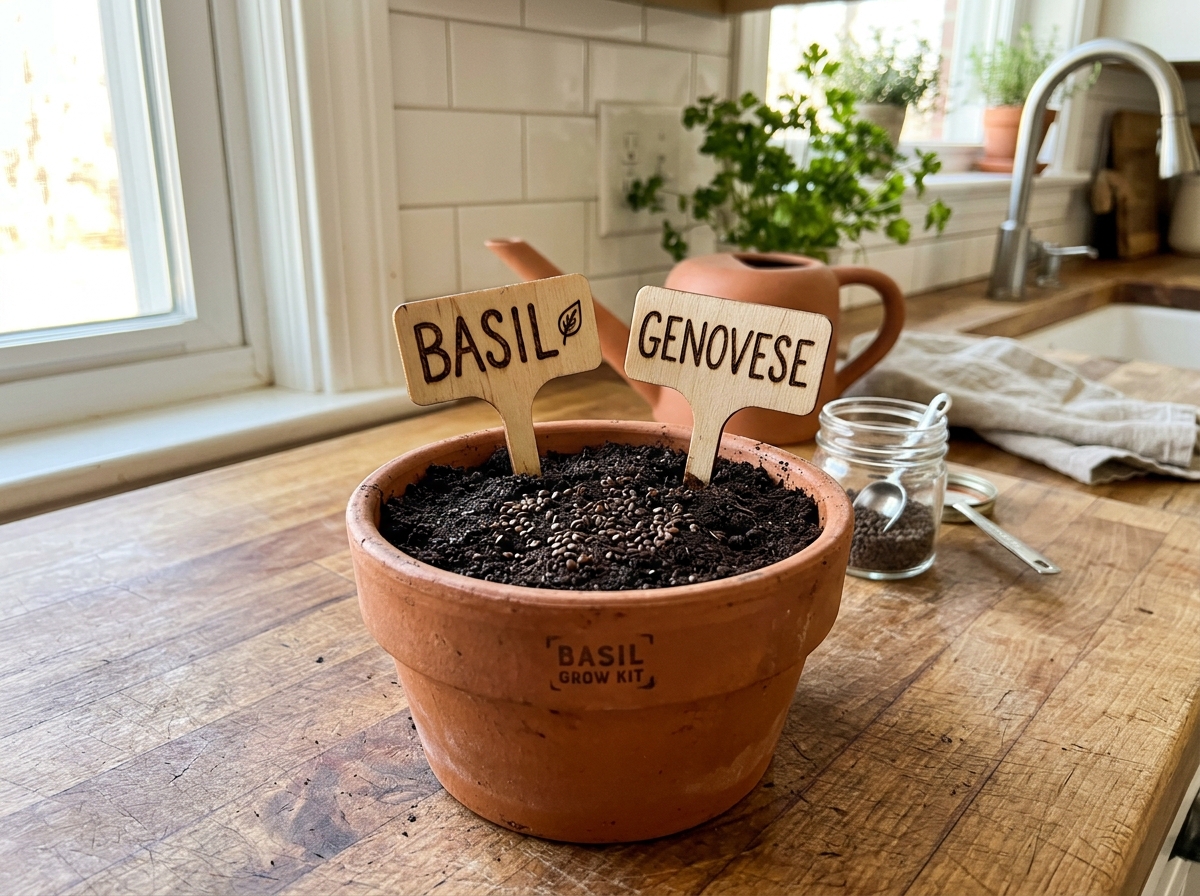
- Plant Markers: These help you keep track of what you planted and when, especially if you are growing multiple herbs.
- Instructions: A step-by-step guide is vital for beginners to understand light and water requirements.
For those just starting out, indoor gardening kits for beginners provide a low-stakes entry point into horticulture.
7 Types of Basil Grow Kits for Your Home
Choosing the right kit depends on your kitchen’s light, your available space, and how much “work” you want to put in. Some kits are passive (they water themselves), while others require a bit more daily interaction.
| Feature | Soil-Based Kits | Hydroponic Kits | Self-Watering Cans |
|---|---|---|---|
| Mess Level | Low to Medium | Very Low | Minimal |
| Maintenance | Daily/Bi-daily watering | Refill reservoir weekly | Water as needed |
| Aesthetics | Rustic/Traditional | Modern/Sleek | Industrial/Chic |
| Best Variety | Genovese, Thai, Lemon | Italian, Spicy | Italian, Globe |
1. The Classic Italian Basil Starter Kit Kitchen
If your goal is to make the perfect batch of homemade pesto, the Classic Italian kit is your best friend. These kits typically feature Genovese basil seeds, known for their large, dark green, and aromatic leaves.
These kits often come with traditional-style planters or multi-herb setups. For example, the 8 Herb Seed Starter Kit – Grow Basil, Cilantro, Rosemary, Thyme & More – Gardeners Basics provides everything you need to start a full culinary garden, with basil taking center stage as a kitchen staple. Because these varieties love the sun, they thrive on a bright windowsill and can be harvested repeatedly by pinching off the top leaves to encourage bushier growth.
2. Space-Saving Mini Windowbox Kits
Not everyone has a sprawling kitchen island. For apartment dwellers or those with crowded countertops, the Mini Windowbox kit is a game-changer. These kits often feature “Windowbox Mini” or “Spicy Globe” varieties that only reach a mature height of 8-10 inches.
The Organic Culinary Garden Windowsill Grow Kit | Basil, Cilantro, Chives | Buzzy Seeds is a perfect example of this compact efficiency. It uses a stylish galvanized or copper-painted planter that fits perfectly on narrow ledges. These mini basils often form a neat umbrella shape, making them as ornamental as they are edible. Despite their small size, the leaves pack a punch of flavor.
3. Eco-Friendly Hydroponic Bottle Kits
For the tech-savvy or eco-conscious grower, hydroponic kits offer a mess-free, soil-free alternative. These kits turn recycled glass bottles into self-watering gardens. Using a passive hydroponic system, the plant sits in a specialized insert while the roots reach down into a nutrient-rich water solution.
A popular choice is the Grow Basil in a Bottle – Basil Bottle. It takes about five minutes to set up and eliminates the guesswork of watering. Since the plant “drinks” as much as it needs, you only have to refill the bottle occasionally. This is a fantastic way to see the roots grow in real-time, making it a great educational project for kids too.
4. Decorative Wooden Planter Kits
If you want your basil starter kit kitchen to double as home decor, look for kits housed in laser-engraved wooden planters. These kits are designed to look beautiful on a desk or kitchen counter and often use a premium growth medium blend of coco coir, vermiculite, and perlite for optimal aeration.
Learning how-to-care-for-basil-indoors is easy with these kits because they usually come with detailed care sheets. The wooden aesthetic makes them a top choice for gift-giving, as they blend seamlessly with most kitchen styles while providing a fresh harvest in as little as 3-4 weeks.
5. No-Transplant “Can” Gardens
One of the biggest hurdles for new gardeners is the “transplant shock” that occurs when moving a plant from a starter pot to a larger home. “Can” gardens solve this by using a self-contained system. You grow the basil directly in the container it comes in—usually a 16 oz tin or can.
The Kitchen Herb Garden – Basil, Mint, Cilantro 3-Pack 🌿 – Back to the Roots utilizes a custom organic soil blend that allows for a “no-drainage” setup. This means no messy saucers or water leaking onto your windowsill. It’s a foolproof, year-round solution for fresh herbs.
6. Heirloom Seed Multi-Packs
For the variety seeker, heirloom seed kits offer biodiversity that you won’t find in a grocery store. These kits often include several packets of non-GMO seeds and reusable pots, allowing you to grow different basil varieties like Thai (with its spicy, anise-like flavor) or Lemon basil (perfect for seafood).
If you are looking for easy-herb-seeds-for-beginners, these multi-packs provide great value. They allow you to experiment with different flavors and textures, ensuring you always have the right herb for any recipe, from Mediterranean to Asian cuisine.
7. Beginner-Friendly Tin Kits
Sometimes, you just want to start with the basics. Beginner tin kits are often focused on one thing: high-quality seeds and a simple growing environment. These kits might include up to 100 organic seeds in a single tin, giving you plenty of “backup” if your first few sprouts don’t make it.
The Grow a Basil Plant Seed Kit – Plantflix is designed for all experience levels. It includes a care sheet and diagnostic support, which is helpful because houseplant seeds can sometimes be trickier than garden varieties, taking 2-3 weeks to sprout. Having that expert support ensures you don’t give up if you don’t see green in the first few days.
Planting and Care Guide for Success
Once you’ve picked your basil starter kit kitchen, the real fun begins. Success starts with the very first step: expanding your soil. Most kits use dehydrated disks that require about 1/2 cup of lukewarm water to expand. Using lukewarm water (around 68°F) helps the soil absorb moisture more evenly.
When it comes to light, basil is a sun-worshipper. It needs at least 6 hours of full sun daily. If your kitchen windowsill is a bit shady, you might need to supplement with a small grow light. For more in-depth tips, check out our guide on starting-herbs-from-seeds-indoors.
Setting Up Your Basil Starter Kit Kitchen
Follow these steps for a thriving garden:
- Sowing: Place your seeds about 1/4 inch deep. If you are using tiny seeds like mint (often included in multi-kits), just press them into the surface. For basil, a light covering of soil is perfect.
- Moisture: Keep the soil lightly moist but not soaked. A spray bottle is great for the early stages to avoid washing away the tiny seeds.
- Air Circulation: Ensure there is some airflow around your kit to prevent mold or “damping off” (a common seedling disease).
- Thinning: Once your seedlings are about 2 inches tall, you may need to “thin” them by removing the smaller ones so the strongest plant has room to grow.
- Feeding: When the second set of leaves appears, you can begin using a liquid fertilizer at half-strength.
For more detailed setup advice, visit indoor-herb-garden-setup-tips.
Troubleshooting Common Growth Challenges
Even with the best basil starter kit kitchen, nature can be unpredictable. The most common issue is impatience! Basil typically germinates in 7-14 days, but some varieties can take up to 21 days.
- Leggy Stems: If your basil is tall and skinny with few leaves, it’s reaching for light. Move it to a sunnier spot.
- Yellow Leaves: This is often a sign of overwatering. Let the soil surface dry out before watering again.
- Root Rot: If the base of the stem looks brown and mushy, the roots are likely sitting in too much water. Ensure your kit has proper drainage or use a specialized soil blend.
- Flowering: If you see flower buds, pinch them off immediately! Once basil flowers, the leaves can become bitter. Pinching the tops encourages the plant to grow more leaves instead of seeds.
If you find yourself struggling, our secondary guide on how-to-care-for-basil-indoors-2 offers more advanced troubleshooting.
Frequently Asked Questions about Basil Grow Kits
How long does it take to harvest basil from a kit?
Most kits allow for a first harvest in 3-4 weeks. You can start picking individual leaves once the plant is about 6 inches tall. Always leave at least two sets of leaves at the base so the plant can continue to grow.
Do basil starter kits require direct sunlight?
Yes, basil is a “full sun” plant. It thrives best with at least 6-8 hours of direct sunlight. A south-facing window is usually the best spot in most homes.
What is the best temperature for indoor basil growth?
Basil loves warmth! It grows best at temperatures around 68°F to 75°F. Be careful not to place your kit too close to a cold window during winter, as basil is very sensitive to frost and cold drafts.
Conclusion
At FinCapitaly, we believe that a sustainable kitchen starts with the ingredients you grow yourself. Whether you’re whipping up a fresh pesto or just want to add a sprig of green to your morning avocado toast, a basil starter kit kitchen makes an organic lifestyle accessible to everyone.
From eco-friendly hydroponic bottles to rustic wooden planters, there is a kit for every style and space. By choosing a kit that fits your lifestyle, you ensure a year-round harvest of fresh, flavorful herbs that no grocery store can match.
Ready to transform your home? Start your indoor herb garden today and enjoy the magic of growing your own food, right from your windowsill.
