
Fresh Herbs at Home: What You Need to Know Before You Buy
An easy grow herb kit is one of the fastest ways to get fresh basil, cilantro, and chives on your kitchen counter — no garden, no experience, and no green thumb required. Beyond the convenience, fresh herbs offer numerous health benefits and can elevate any home-cooked meal.
Here are the best options at a glance:
| Kit Type | Best For | Price Range | Time to First Harvest |
|---|---|---|---|
| Smart hydroponic systems | Beginners, low-light homes | $125–$300+ | A few weeks |
| Self-watering soil-based kits | Windowsills, countertops | $50–$150 | 10–14 days (starter plants) |
| Seed starter kits | Budget buyers, gift-givers | $15–$50 | 2–4 weeks |
| Pod-based grow kits | Mess-free, fast growth | $30–$50 | 6–8 weeks to transplant |
| Pre-planted patio kits | Outdoor spaces, quick results | $99–$150 | 10–14 days |
Growing fresh herbs at home used to mean failed seeds, overwatered pots, and sad-looking plants on a dim windowsill. That’s changed. Today’s herb kits handle most of the hard work for you — from pre-seeded pods with built-in nutrients to self-watering reservoirs that stop you from drowning your plants.
Whether you cook every night or just want your kitchen to smell amazing, there’s a kit that fits your space, budget, and skill level.
Below, we break down the best easy grow herb kits available right now — so you can go from unboxing to your first harvest as quickly as possible.
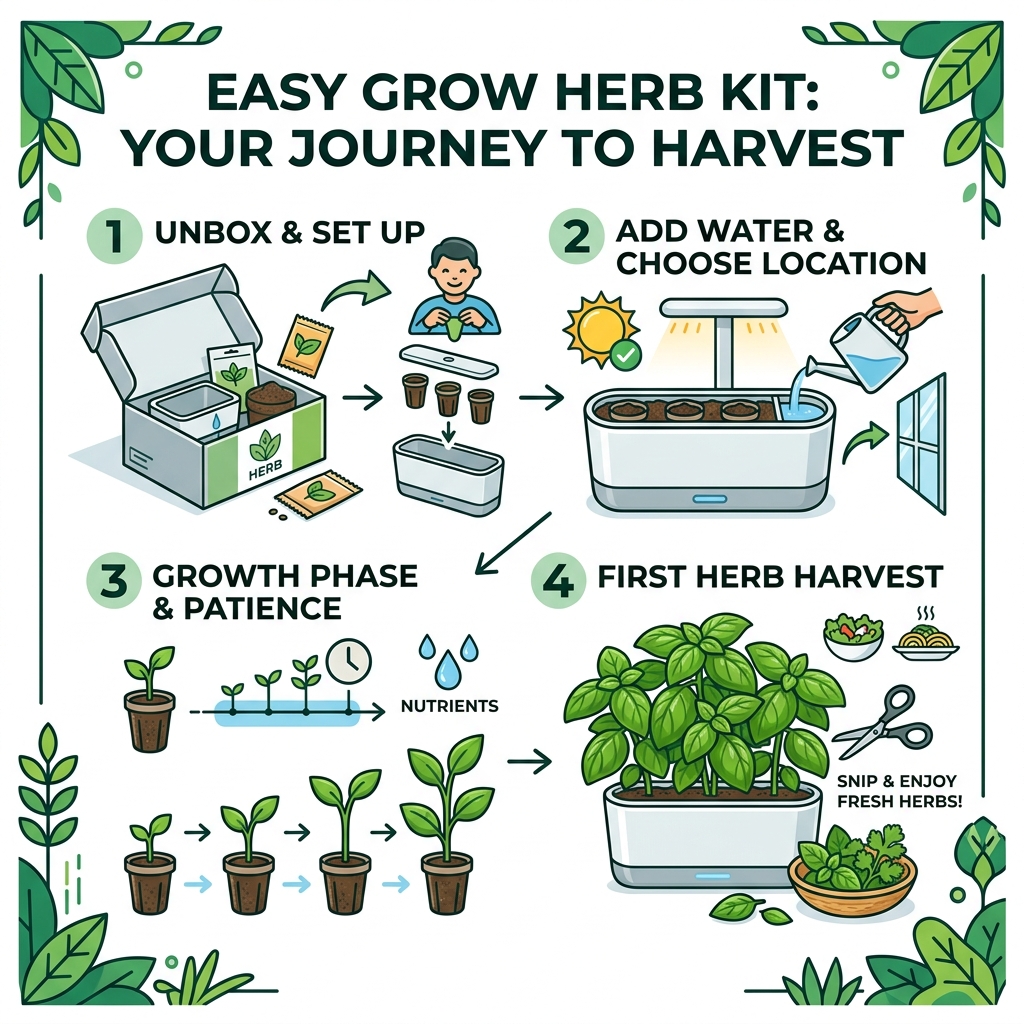
Why an Indoor Herb Garden is Perfect for Beginners
If you’ve ever felt the sting of a store-bought cilantro bunch turning into a slimy green puddle in your fridge drawer, you know why we advocate for growing your own. For those of us just starting out, an easy grow herb kit is the ultimate “cheat code” for gardening success.
The primary reason these kits are so beginner-friendly is the total lack of guesswork. Most modern kits are designed with a “plug and play” mentality. You aren’t just buying seeds; you’re buying a curated environment. These kits often feature space-saving designs that fit perfectly on a kitchen counter or a narrow windowsill, making them ideal for apartment dwellers or those with limited outdoor space.
Furthermore, these kits offer the luxury of year-round cultivation. While traditional gardening is at the mercy of the seasons, an indoor setup allows you to harvest fresh basil in the dead of winter. By controlling the light and water, you create a perpetual summer for your plants. If you’re curious about the specifics of getting started, we have a great guide on indoor-gardening-kits-for-beginners and more detailed steps on how-to-start-an-indoor-herb-garden to help you set up your first green corner.
Different Types of Herb Garden Kits Explained
Not all herb kits are created equal. Depending on your level of commitment and the light available in your home, you might prefer one technology over another. We’ve found that most kits fall into three main categories: hydroponic, soil-based, and pod-based “smart” systems.
| Feature | Smart Hydroponic | Soil-Based (Self-Watering) | Seed Starter Kits |
|---|---|---|---|
| Growing Medium | Water/Nutrient Pods | Potting Mix | Peat/Coconut Coir |
| Maintenance | Very Low (Automated) | Low (Refill Reservoir) | Moderate (Daily Checks) |
| Light Source | Built-in LED | Natural Sunlight | Natural Sunlight |
| Mess Factor | Zero | Minimal | Moderate |
Many easy grow herb kit options utilize passive wicking or sub-irrigated reservoirs. This means the plant “drinks” only what it needs from a tank below, preventing the number one killer of indoor plants: overwatering.
Smart Hydroponic Systems
These are the “set it and forget it” champions of the gardening world. High-end smart systems use proprietary plant pods that come pre-seeded with nutrients. They feature integrated LED grow lights that mimic the sun’s spectrum, meaning you can grow herbs in a windowless basement if you really wanted to. These systems eliminate the need for pH testing or frequent cleaning typically associated with traditional hydroponics. For a deeper dive into these high-tech options, check out our resource on indoor-gardening-kits-for-beginners-2.
Traditional Soil-Based Windowsill Kits
For those who prefer the classic look of terracotta or galvanized metal, soil-based kits are the way to go. These kits provide organic potting medium (often compressed coconut husk) and decorative planters. They are generally more affordable and offer a more “hands-on” gardening experience. You can learn how-to-turn-your-windowsill-into-a-flavor-factory-with-a-culinary-herb-garden-kit to see if this traditional route fits your aesthetic.
Key Features to Look for in an Easy Grow Herb Kit
When shopping for an easy grow herb kit, it’s easy to get distracted by pretty packaging. However, the success of your garden depends on a few technical features.
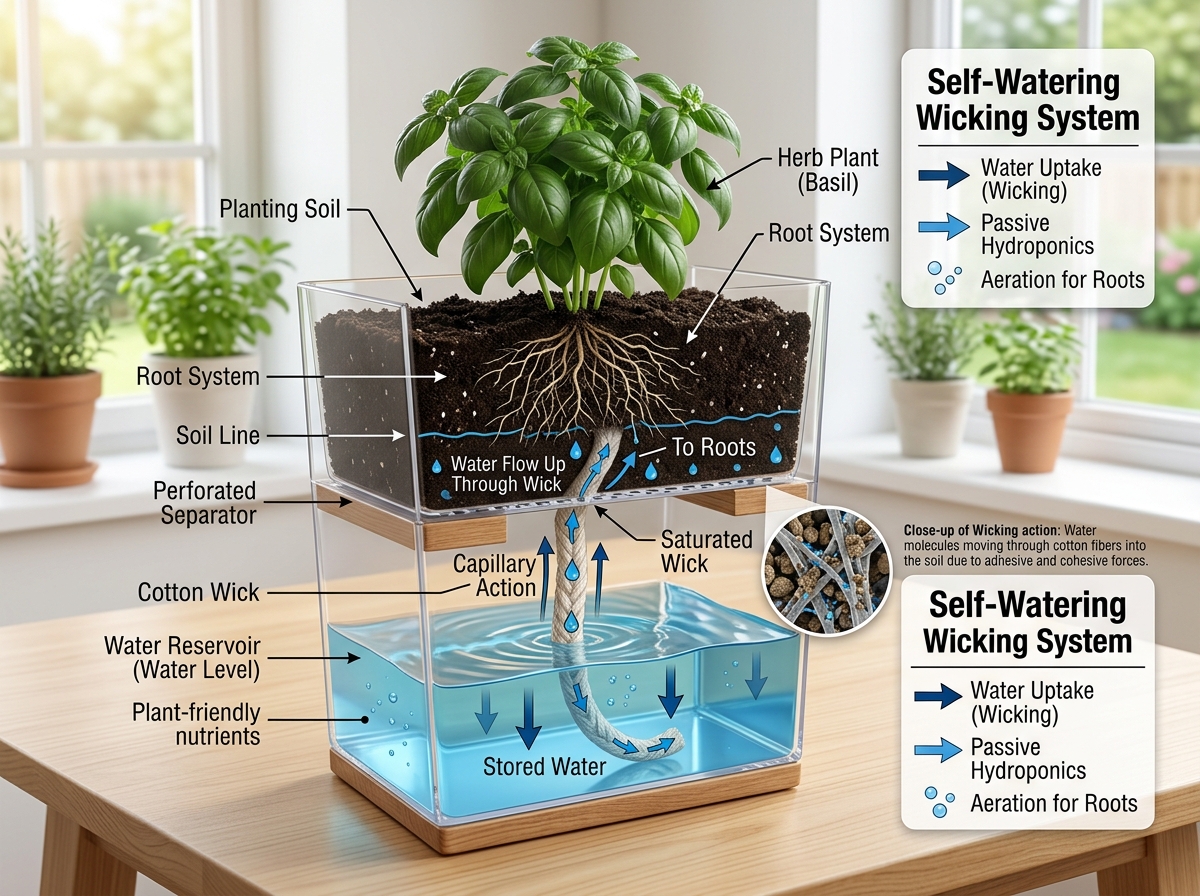
First, look for a self-watering wicking system. This ensures a consistent moisture level, which is vital for delicate herbs like cilantro. Second, ensure the materials are food-safe. Look for BPA-free plastics and UV-protected containers, especially if you plan to place the kit in a sunny window where heat could cause cheaper plastics to degrade.
Organic herb grow kits are also a popular choice, ensuring that the basil you’re putting in your pesto hasn’t been treated with synthetic chemicals. For more inspiration on what to look for, see our beginner-friendly-herb-garden-ideas.
Essential Components of an Easy Grow Herb Kit
A comprehensive kit should include everything you need to start today. This means:
- Non-GMO Seeds: High-quality seeds with high germination rates.
- Nutrient-Rich Pods or Soil: Pre-mixed medium that feeds the plant for the first few months.
- Wicking Chambers: To move water efficiently.
- Plant Markers: Because sprouted oregano looks surprisingly like sprouted mint!
Choosing the right seeds is the foundation of your success. We recommend starting with easy-herb-seeds-for-beginners to ensure your first experience is a win.
Maintenance and Setup Requirements
Setup time varies wildly between kits. A pod-based system might take 5 minutes to unbox and plug in. In contrast, a comprehensive patio herb garden kit might take 30–40 minutes as you mix the “custom foundation” soil and arrange fully-rooted plants.
Maintenance usually involves refilling a water reservoir every 3 to 5 days and occasionally adding nutrients. If you’re using a kit without built-in lights, you’ll need a spot that gets 4–6 hours of sunlight daily.
Best Herbs for Your First Indoor Garden
Not all herbs thrive in the same conditions, but most easy grow herb kit packages focus on the “culinary heavy hitters.” These are chosen for their versatility in the kitchen and their relatively hardy nature.
- Basil: The king of indoor herbs. It loves the warmth and produces large, aromatic leaves quickly.
- Cilantro: Great for salsas and curries, though it can be a bit finicky if it gets too hot.
- Chives: Extremely hardy and grows back quickly after you snip some for your baked potato.
- Parsley: A slow starter but very reliable once it takes hold.
For a full list of what to plant, check out easy-herbs-for-beginners-to-grow-indoors.
Fast-Growing Varieties for an Easy Grow Herb Kit
If you are impatient (and we don’t blame you!), look for kits that include “starter plants” rather than seeds. Kits that utilize fully-rooted herbs allow for a first harvest in as little as 10–14 days.
If you are starting from seed, basil usually germinates in 7–14 days, while cilantro might take up to 21 days. Understanding these easy-herb-seeds-for-beginners-2 timelines will help you manage your expectations during the “waiting for green” phase.
Tips for Maximizing Your Harvest
To keep your herb kit productive, you need to be a little bit “mean” to your plants—meaning, you have to prune them!
- Pruning: Always snip from the top, just above a set of leaves. This encourages the plant to grow outward and become bushy rather than tall and spindly.
- Light Positioning: Rotate your pots every few days if they are in a window so they don’t lean too far in one direction.
- Air Circulation: Herbs hate “stale” air. A small fan or a cracked window can prevent mold and keep stems strong.
These tips are especially important for seasonal herb garden kits that might be transition from indoors to a patio.
Frequently Asked Questions about Herb Kits
Can I use my own seeds in these kits?
Yes, in most cases. While some brands offer proprietary pre-seeded pods, they also sell “seedless pods” or “experimental pods.” These allow you to use your own heirloom or custom seeds while still benefiting from the kit’s self-watering and light technology. Just keep in mind that success rates might be slightly lower than with the manufacturer’s tested seeds.
Are these kits safe for pets?
Most herbs like basil, rosemary, and thyme are non-toxic to cats and dogs. However, we always recommend double-checking specific varieties. One major benefit of an easy grow herb kit for pet owners is the mess-free setup. Since many use pods or heavy, stable reservoirs, there’s less chance of a cat knocking over a pot and spreading soil across your rug. Some kits even include catnip, which is a fun way to involve your feline friends in your new hobby!
What are the ongoing costs for refills?
The initial purchase is your biggest expense. After that, you’ll need to consider:
- Replacement Pods: Usually $10–$15 for a pack of three.
- Nutrient Solutions: A bottle of herb serum or liquid fertilizer can last an entire year.
- Seed Packets: If using a soil-based kit, these are very cheap (often $2–$5).
- Electricity: Smart gardens with LED lights are very efficient, usually costing only a few dollars a month to run.
Conclusion
At FinCapitaly, we believe that a sustainable lifestyle starts with small, manageable steps. An easy grow herb kit is more than just a kitchen accessory; it’s a gateway to garden-to-table joy. By reducing food waste and eliminating the need for plastic-packaged grocery store herbs, you’re making a positive impact on your health and the planet.
Whether you choose a high-tech hydroponic system or a charming windowsill planter, the reward is the same: the incomparable flavor of herbs you grew yourself.
Ready to turn your kitchen into a green oasis? More info about indoor gardening services is available to help you take the next step in your home gardening journey. Happy growing!
