
Why a Self-Watering Herb Planter Changes Everything for Home Cooks
A self watering herb planter is the simplest way to grow fresh kitchen herbs without daily watering or guesswork. Here’s a quick overview of how it works and why it matters:
Quick Answer:
- A self-watering herb planter holds water in a bottom reservoir
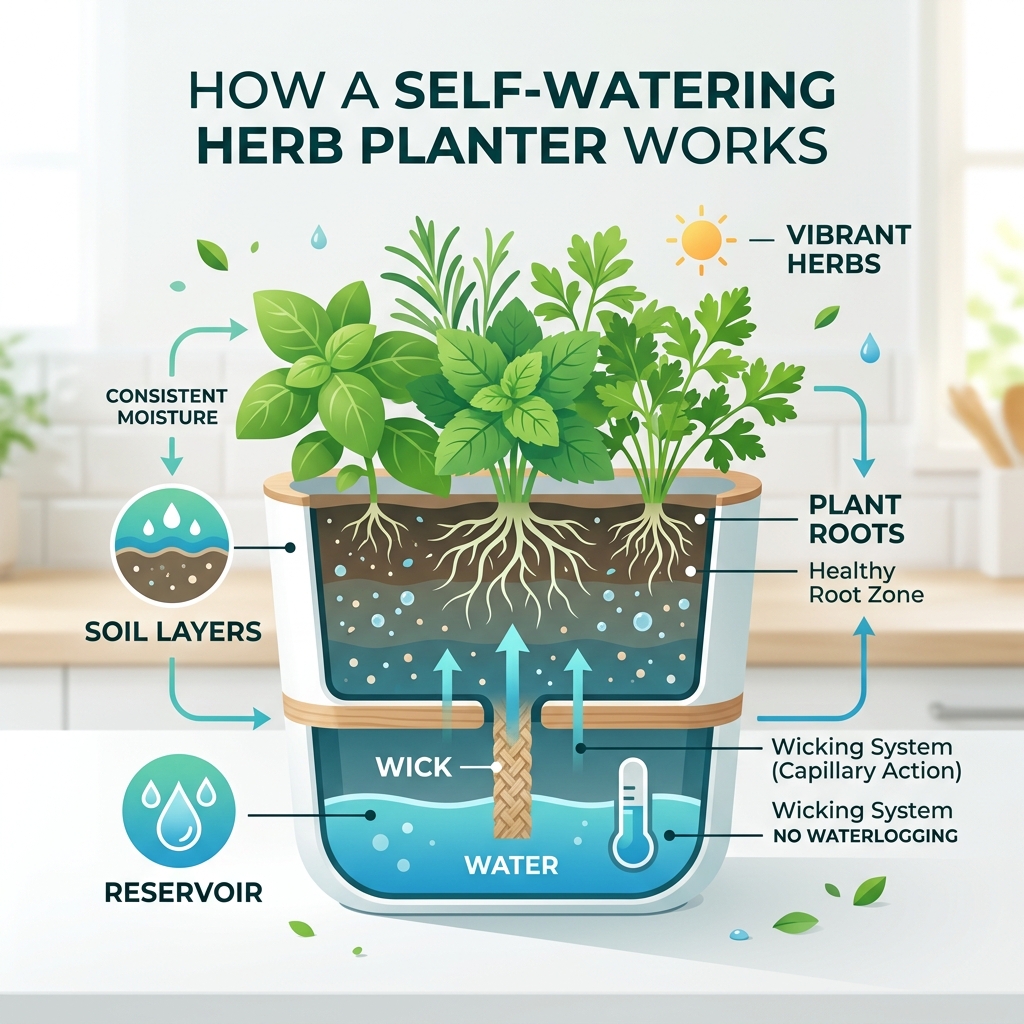
- Soil draws moisture up through a wicking system (capillary action)
- Plants take only what they need — no overwatering, no drying out
- One reservoir fill can last several days to several weeks
- Works for basil, mint, parsley, cilantro, thyme, and more
We’ve all done it. You buy a beautiful bunch of fresh basil, set it on the counter, and three days later it’s wilted and sad. Or you plant herbs in a regular pot, forget to water for a week, and come back to crispy stems.
The problem isn’t you. It’s the system.
Traditional pots put all the responsibility on you — water too much and roots rot, water too little and plants die. For busy home cooks, that’s a losing game.
Self-watering planters flip the script. Instead of you deciding when and how much to water, the plant draws moisture up from a reservoir on its own schedule. It’s a passive, hands-off system that works whether you’re cooking dinner or away for the weekend.
You don’t need gardening experience. You don’t need a green thumb. You just need the right setup.
What is a Self Watering Herb Planter and How Does it Work?
At its core, a self watering herb planter is a two-part container system designed to mimic the way plants drink in nature. Instead of pouring water over the top of the soil—which can lead to compaction and uneven moisture—these systems use “sub-irrigation.”
In a sub-irrigation setup, there is a dedicated water reservoir at the base of the planter, separated from the soil by a divider or platform. The magic happens through a process called capillary action. Just like a sponge soaking up a spill, the soil or a specialized wick (often made of cotton or acrylic) draws water upward from the reservoir into the root zone. This ensures the soil stays consistently moist, but never waterlogged.
For those of us who might forget a watering session (or three), this technology is a lifesaver. It creates a stable environment where herbs can thrive without the “feast or famine” cycle of traditional pots. If you are just starting out, learning How to Start an Indoor Herb Garden is much easier when the equipment does the heavy lifting for you.
The Science of Wicking and Hydration
The wicking system is the heart of the self watering herb planter. In high-quality models, like the EZ Self-Watering Herb Planter, the wicking mechanism is designed to deliver water directly to the roots without overflowing the soil surface. This is vital because it prevents evaporation from the top of the soil, keeping the moisture where it’s needed most.
Most modern planters also include a water gauge or indicator. This is a visual tool—often a floating bobber or a tilting mechanism—that tells you exactly how much water is left in the reservoir. You don’t have to stick your finger in the dirt to guess if it’s time for a refill. A 0.66-gallon reservoir can often provide enough hydration to keep your herbs happy for several weeks on a single fill, depending on the environment.
Preventing Root Rot in Your self watering herb planter
One of the biggest fears gardeners have with standing water is root rot. However, a well-designed self watering herb planter actually prevents this better than a standard pot.
The secret lies in aeration. Advanced planters feature breathable vents, internal aeration windows, and slotted bottoms. These features prevent “soil hypoxia”—a condition where roots “drown” because they lack oxygen. By allowing air to circulate through the soil, these planters support healthy microbial activity and robust root growth.
If you are using your planter outdoors, many models include a drainage plug. This is essential for managing heavy rainfall; by removing the plug, you allow excess water to escape so the reservoir doesn’t overflow and saturate the soil. Avoiding these common Indoor Herb Watering Mistakes to Avoid ensures your kitchen garden stays vibrant year-round.
Step-by-Step: Setting Up Your Self-Watering System
Setting up your new garden doesn’t require a degree in botany. Most high-end units come in a 2-pack (often found for around $109.95, saving you about $10 off the regular price) and are designed for quick assembly.
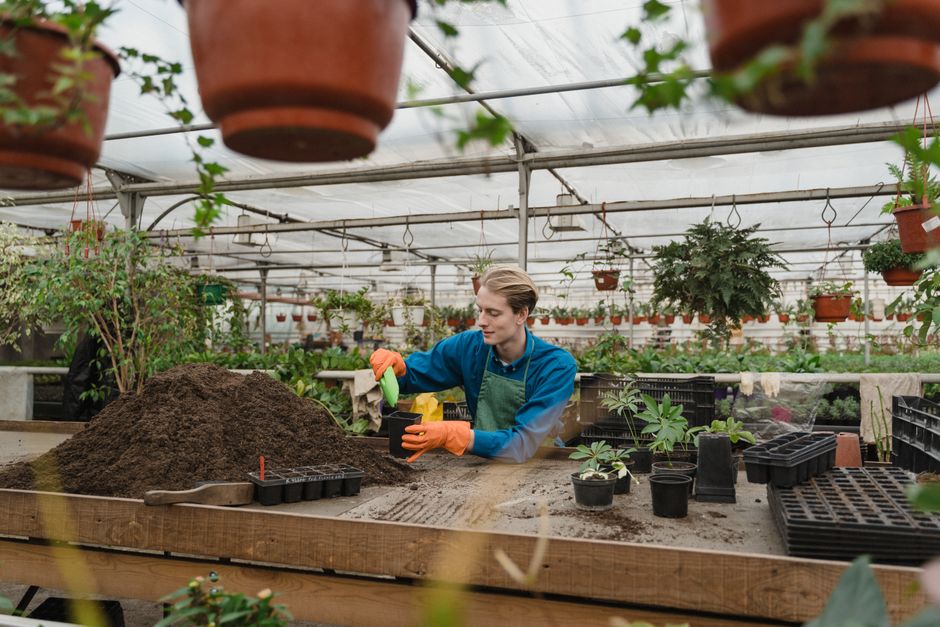
1. Assemble the Planter: Slide the internal planter box into the outer shell. Ensure the wicking components or divider are securely in place. 2. Add Soil: Fill the internal planter with about 6.34 dry quarts of soil. This capacity is perfect for supporting multiple herbs in a compact space. 3. Set the Water Level: Locate the water level regulating lever. If you’re keeping the plants indoors, a setting between 30 and 60 is usually ideal. For outdoor use, you might bump this up to 60-90. 4. Fill the Reservoir: Open the reservoir cover and pour in up to 0.66 gallons of water. Watch the gauge to ensure you don’t overfill. 5. Plant Your Herbs: Gently transplant your seedlings or seeds into the soil.
If you’re looking for Low Maintenance Indoor Herb Planting options, this set-and-forget method is the gold standard.
Preparing the Growing Medium
The soil you choose is just as important as the planter itself. For a self watering herb planter, we recommend a high-quality potting mix that is light and fluffy.
Many experts suggest incorporating coco coir (made from coconut shells) into your mix. Coco coir is fantastic because it excels at water retention while still allowing for excellent drainage and root oxygenation. Unlike heavy garden soil, which can become compacted and “muddy” in a wicking system, a mix of potting soil and coco coir ensures optimal nutrient absorption. For more tips on the right dirt, check out our guide on Container Planting for Herbs.
Maximizing Space with a Trellis-Equipped self watering herb planter
One of the standout features of modern herb systems is the inclusion of a trellis. With a compact design—typically around 17.5 inches in length and 7.3 inches in width—these planters fit perfectly on a kitchen windowsill or a small patio.
The trellis adds verticality to your garden. While herbs like basil grow upward, others like climbing varieties or even small peas can use the 3.3-inch trellis for support. This is a game-changer for Vertical Herb Gardening Indoors, allowing you to grow more food in a smaller footprint.
Choosing the Best Herbs and Adjusting Water Levels
Not all herbs are created equal. Some, like mint, are “water hogs,” while others, like rosemary, prefer their “feet” to be a bit drier. Your self watering herb planter allows you to cater to these needs by adjusting the water level lever and monitoring the reservoir.
| Herb Type | Moisture Preference | Recommended Lever Setting (Indoor) |
|---|---|---|
| Basil | High | 50-60 |
| Mint | Very High | 60 |
| Parsley | Moderate | 40-50 |
| Cilantro | Moderate | 40-50 |
| Rosemary | Low | 30 |
| Thyme | Low | 30 |
For more specific configurations, see our Indoor Herb Garden Setup Tips.
Ideal Plants for Sub-Irrigation
The best candidates for a self watering herb planter are soft-stemmed herbs and leafy greens. These plants typically have higher transpiration rates (they “sweat” more water through their leaves) and appreciate the consistent moisture provided by sub-irrigation.
- Basil: Known for wilting the second it gets thirsty, basil thrives in this system.
- Mint: This hardy plant loves moisture and can quickly take over a reservoir-fed pot.
- Leafy Greens: Lettuce and spinach also perform exceptionally well in these compact systems.
If you are a beginner, starting with these moisture-loving varieties is one of the most Beginner Friendly Herb Garden Ideas because the planter compensates for any lapses in your watering schedule.
Seasonal Adjustments for Indoor and Outdoor Use
Your watering strategy should change with the seasons. In the winter, indoor humidity levels often drop due to heating systems, but plants also grow more slowly. We recommend checking the soil moisture manually before refilling the reservoir during the colder months.
For those using a self watering herb planter in a Indoor Herb Garden for Apartments, keep the lever at the 30-60 range. If you move the planter outdoors during the summer, increase the setting to 60-90 to account for higher evaporation rates and sun exposure. Always remember to remove the drainage plug if your planter is exposed to the elements to prevent waterlogging from rain.
Maintenance and Efficiency vs. Traditional Pots
How does a self watering herb planter stack up against a standard terracotta pot? The difference is primarily in time and plant health.
Traditional pots often require daily watering, especially in small sizes. With a self-watering system, the 0.66-gallon reservoir provides a buffer that can last several weeks. This efficiency is perfect for travelers or busy professionals.
Maintenance is also straightforward:
- Refill Frequency: Typically once every 7–14 days, depending on the plant size and heat.
- Cleaning: Most systems are made from BPA-free, food-safe, and UV-protected plastics. A quick wipe with a damp cloth or a seasonal deep clean with mild soap keeps them looking new.
- Durability: Unlike ceramic which can crack in the frost, high-density polyethylene or recycled PP materials are designed to withstand the sun and cold.
Using Compact Watering Tools for Herb Gardens can make the refilling process even easier, though most modern planters feature a convenient easy-fill spout.
Frequently Asked Questions about Herb Planters
Can you overwater with a self-watering system?
While it is much harder to overwater than with traditional pots, it is possible if the drainage plugs are left in during heavy outdoor rain or if you use a soil mix that is too heavy and retains too much water. Always use a light potting mix and monitor the water gauge.
What plants are not suitable for these planters?
Cacti and succulents are generally not suitable for a self watering herb planter. These plants require their soil to dry out completely between waterings, and the constant moisture of a wicking system can lead to root rot for desert species.
How often do I need to refill the reservoir?
For most indoor herbs, you will only need to refill the reservoir every 10 to 14 days. In very hot outdoor conditions or with large, thirsty plants like mature mint, you may need to refill every 3 to 5 days.
Conclusion
The “Lazy Gardener” label is a bit of a misnomer—it’s actually about being a smart gardener. By using a self watering herb planter, you are leveraging simple physics to ensure your kitchen is always stocked with fresh, flavorful ingredients. Whether you are growing basil for a fresh pesto or mint for a summer mojito, these systems take the stress out of plant care.
At FinCapitaly, we believe that everyone should have access to fresh, sustainable food, even if they only have a windowsill to work with. Ready to upgrade your kitchen? Check out More info about indoor tools to find the perfect setup for your home. Happy growing!
