
Common Symptoms and Basil Plant Pests Identification
Identifying what is eating your herbs requires a bit of detective work. When we talk about basil plant pests identification, we aren’t just looking for the bugs themselves—often, the bugs are hiding! Instead, we look at the “crime scene” left behind on the leaves.
Visual Cues and Leaf Inspection
The first step in our identification process is a thorough leaf inspection. We recommend looking at your plants at least twice a week. Don’t just look at the tops of the leaves; many pests, such as aphids and whiteflies, prefer the shaded, protected undersides.
Check for:
- Holes: Are they large and ragged or small and circular?
- Discoloration: Is the leaf turning yellow in spots, or is the whole leaf fading?
- Texture: Is there a sticky residue (honeydew) or a silvery trail?
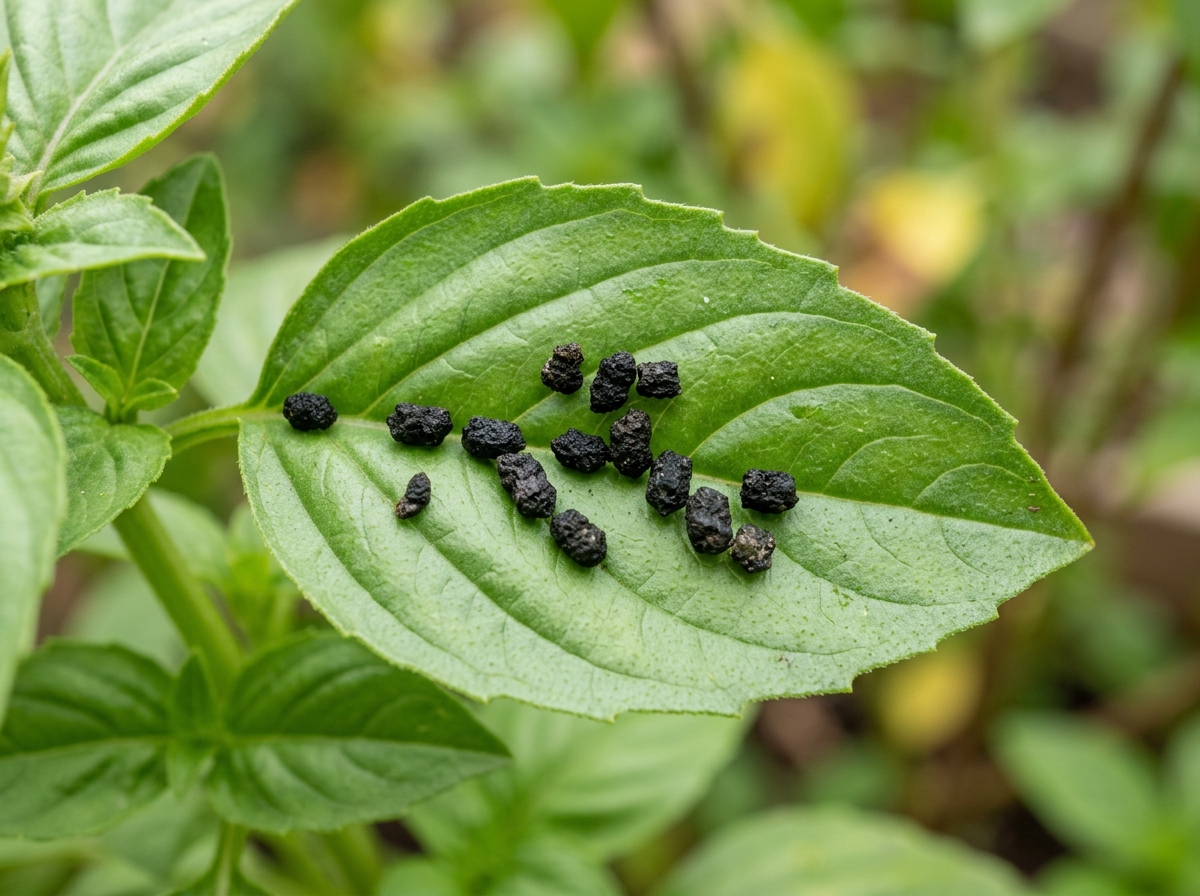
- Frass: These are tiny black or brown droppings. If you see what looks like “black poppy seeds” on your leaves, you likely have a caterpillar nearby.
| Damage Type | Likely Culprit | Primary Clue |
|---|---|---|
| Large holes from the edge | Slugs or Snails | Silvery slime trails on soil or leaves |
| Skeletonized (lace-like) leaves | Japanese Beetles | Shiny metallic green bodies visible in sun |
| Tiny “shot holes” | Flea Beetles | Insects jump like fleas when disturbed |
| Curled, sticky leaves | Aphids | Tiny pear-shaped bugs on stems/undersides |
| Fine stippling/dots | Spider Mites | Very fine webbing between stems |
| Clean-cut stems | Cutworms or Rabbits | Plant looks “beheaded” at the soil line |
Identifying Chewing Pests: Holes and Ragged Edges
If your basil looks like it’s been through a paper shredder, you are dealing with chewing pests. These insects have “mandibles” (mouthparts) designed to tear and swallow leaf tissue.
Slugs and Snails These are the most common “midnight munchers.” Because they are mollusks and not insects, they require moisture to move. You’ll notice large, irregular holes starting from the leaf edges. The hallmark of a slug is the dried, glistening slime trail they leave behind. If you suspect slugs but don’t see them, check under your garden mulch or the bottom of the pot during the day.
Japanese Beetles These beetles are about half an inch long with metallic-green bodies and copper-colored wing covers. They are “skeletonizers,” meaning they eat the soft tissue between the leaf veins, leaving behind a lace-like structure. According to the USDA, these beetles are one of the most devastating pests in the Eastern United States. They are most active in mid-summer and prefer the sunniest parts of the plant.
Caterpillars From the tiny cabbage looper to the massive tomato hornworm, caterpillars can strip a basil plant in hours. They usually leave coarse, large holes in the middle of the leaf. Unlike slugs, they don’t leave slime, but they do leave “frass”—those tell-tale black droppings we mentioned earlier.
Grasshoppers and Katydids These pests cause ragged, “torn” damage. Katydids often feed from the leaf center as nymphs and move to the edges as adults. They are excellently camouflaged, so you may need to look closely to spot a green insect shaped like a leaf.
Identifying Sap-Suckers: Yellowing and Curled Leaves
Not all pests eat the leaves; some prefer to drink the “juice.” Sap-sucking pests use needle-like mouthparts to pierce the plant and suck out its nutrients. This leads to physiological stress rather than physical holes.
Aphids Aphids are perhaps the number one pest we see on basil year after year. They are tiny, pear-shaped, and can be green, black, or yellow. They cluster on new, tender growth. As they feed, they excrete “honeydew,” a sugary liquid that makes the leaves feel sticky. This honeydew can eventually grow a black fungus called sooty mold. If you see ants crawling on your basil, they might be “farming” the aphids for their honeydew!
Whiteflies If you brush against your basil and a cloud of tiny white “dust” flies up, you have whiteflies. They cause leaves to turn yellow and wilt. Like aphids, they produce honeydew and prefer the undersides of leaves.
Spider Mites These tiny arachnids thrive in hot, dry conditions. They are so small they look like moving dust. You’ll first notice “stippling”—thousands of tiny pale dots on the leaves. In severe cases, you will see fine webbing draped between the stems. For more on diagnosing these indoor issues, check out our guide on indoor-herb-growth-troubleshooting.
A Deep Dive into Major Basil Pests

Understanding the life cycle of these pests helps us control them more effectively. Most basil pests go through rapid generations, meaning a few bugs today can become hundreds by next week.
Aphids and Whiteflies: The Tiny Sap-Suckers
Aphids are fascinating (and frustrating) because they can reproduce without mating, leading to “population explosions.” They are 1/8-inch long and generally sluggish. Whiteflies, on the other hand, are highly mobile as adults. Both pests cause the plant to lose vigor, leading to stunted growth. If your basil leaves look twisted or deformed, it’s a classic sign that these sap-suckers are draining the plant’s energy.
Slugs and Caterpillars: The Midnight Munchers
Slugs and many caterpillars are nocturnal. This is why many gardeners are baffled when they see holes appearing overnight but find nothing on the plant during the day. Slugs can range from 1 to 4 inches in length and love cool, damp environments.
Caterpillars are the larval stage of butterflies and moths. While we love butterflies, their “kids” are ravenous. A single cabbage looper can eat twice its body weight in basil every day!
Japanese Beetles and Flea Beetles
Japanese beetles emerge from the soil as adults in June or July. They are highly social and release pheromones to call their friends to the “basil buffet.” Flea beetles are much smaller (1.5 to 3 mm) and dark-colored. They create “shotholes,” which are tiny, perfectly round holes that look like the leaf was hit by a miniature shotgun. Young seedlings are most at risk from flea beetles, as they can quickly lose their ability to photosynthesize.
Distinguishing Pests from Diseases and Environmental Stress
Sometimes, basil plant pests identification leads us to realize the problem isn’t a bug at all. Basil is a sensitive plant that reacts strongly to its environment.
Fungal and Bacterial Diseases
- Downy Mildew: This is the most serious basil disease. It causes yellowing that starts near the leaf veins. If you flip the leaf over, you’ll see a gray, fuzzy growth. It looks like “dust” but is actually fungal spores.
- Fusarium Wilt: If your basil suddenly wilts, even though the soil is moist, it may be Fusarium. This soil-borne fungus clogs the plant’s vascular system. You might see brown streaks on the stems.
- Bacterial Leaf Spot: Unlike the ragged holes of insects, these are water-soaked, dark spots that eventually turn necrotic (dead) and papery.
Environmental Stress
- Cool Night Recovery: Basil is a tropical plant. It loves temperatures above 70°F (21°C). If night temperatures drop below 50°F (10°C), the leaves may turn black or look “bruised.” This isn’t a pest; it’s a cold injury.
- Sunburn: If you move an indoor basil plant directly into the harsh afternoon sun, the leaves may develop bleached, white patches.
- Overwatering: Yellowing leaves can also be a sign of “wet feet.” If the roots can’t breathe, the leaves will pale.
For those growing in controlled environments, our resource on indoor-basil-growing offers deeper insights into balancing light and moisture.
When “Pests” Aren’t the Problem: Basil Plant Pests Identification Mimics
It can be easy to mistake a fungal spot for a pest bite. However, insect damage usually has clear margins where tissue has been removed. Fungal damage often has a “halo” of yellow or brown around the spot. If you are struggling with keeping your indoor plants healthy, see our tips on how-to-care-for-basil-indoors.
Organic Control and Prevention Strategies
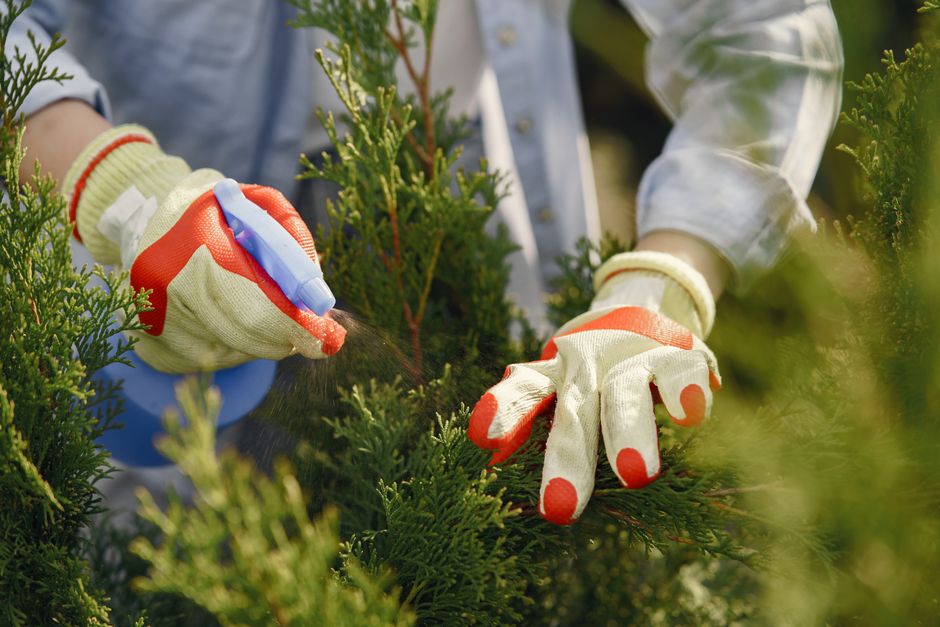
When we find pests, our philosophy is to start with the least invasive method first. Since you plan on eating your basil, keeping things organic is a top priority.
Manual and Physical Removal
- Hand-Picking: This is the most effective immediate control for Japanese beetles, caterpillars, and slugs. We like to keep a small bucket of soapy water nearby and drop the pests right in. It’s oddly satisfying!
- Water Pressure: For aphids and spider mites, a strong blast of water from a garden hose or spray bottle is often enough to knock them off. Most won’t be able to climb back up.
- Row Covers: A fine mesh “floating row cover” can act as a physical barrier, preventing beetles and moths from ever reaching your plants.
Organic Sprays
- Neem Oil: Our go-to organic pesticide. It’s made from the seeds of the Neem tree and works by disrupting the life cycles of insects. Mix 1 teaspoon of pure neem oil with a half-teaspoon of mild soap in a quart of water.
- Insecticidal Soap: You can buy this or make a DIY version with 1-2 teaspoons of mild liquid soap (like Dr. Bronner’s) in a quart of water. This works by breaking down the outer shell of soft-bodied insects like aphids.
- Diatomaceous Earth (DE): This is a powder made from fossilized algae. To us, it feels like flour; to a slug or beetle, it’s like walking over broken glass. Sprinkle it on the soil around the base of your plants.
For more specialized indoor tips, check out indoor-herb-pest-control-tips.
Cultural Practices for Basil Plant Pests Identification and Prevention
Prevention is the best medicine. A healthy plant is much better at resisting pests than a stressed one.
- Air Circulation: Don’t overcrowd your plants. Good airflow prevents the damp conditions that slugs and fungi love.
- Watering at the Base: Never water your basil from above. Wet leaves are an invitation for downy mildew and leaf spot. Use a drip line or water the soil directly.
- Mulching: A layer of mulch helps retain moisture and prevents soil (and soil-borne fungi) from splashing up onto the leaves.
- Beneficial Insects: Encourage “good bugs” like ladybugs and lacewings. They are natural predators that can eat hundreds of aphids a day. Avoid broad-spectrum pesticides that kill these helpful garden allies.
- Companion Planting: Planting marigolds, chives, or garlic near your basil can help mask the scent of the herb and repel certain pests.
Frequently Asked Questions about Basil Pests
Is it safe to eat basil after a pest infestation or treatment?
Yes! As long as the leaves aren’t completely destroyed or covered in mold, they are safe to eat. Insects aren’t toxic to humans. However, you must wash them properly to remove bugs, eggs, frass, and any treatment residue.
The Proper Washing Method:
- Fill a large bowl with cool water.
- Submerge the basil and gently swish it around.
- Let it sit for 2-3 minutes. Most bugs will float to the top or sink to the bottom.
- Lift the basil out (don’t pour the water over it).
- Rinse under cool running water and pat dry or use a salad spinner.
Note: If you used neem oil or soap, wait the recommended “harvest interval” on the product label (usually 1-2 days) before picking.
What are the tiny black seeds or droppings on my basil leaves?
If you see tiny black or dark green particles that look like seeds but aren’t, you are looking at frass (caterpillar droppings).
- Caterpillar Frass: Usually found directly on the leaves or trapped in the “crotch” where the leaf meets the stem. It is often granular.
- Slug Excrement: Usually looks like tiny, dark, elongated “strings” and is often accompanied by a slime trail.
- Identification Tip: If you see frass, look directly above that spot. Caterpillars usually feed on the leaves above where their droppings land.
Why does my indoor basil have tiny flying gnats?
These are fungus gnats. They don’t usually eat the leaves, but their larvae live in the soil and eat organic matter (and sometimes tiny root hairs). They are a sign that your soil is staying too wet.
- The Fix: Let the top two inches of soil dry out completely between waterings. This kills the larvae. You can also use yellow sticky traps to catch the flying adults.
Conclusion
Mastering basil plant pests identification is a rite of passage for every herb lover. Whether you are dealing with the “skeletonizing” damage of Japanese beetles or the “sticky” situation left by aphids, vigilance is your best tool. By walking your garden regularly and acting at the first sign of trouble, you can ensure your basil remains the star of your kitchen.
At FinCapitaly, we believe that gardening should be a source of joy, not stress. With the right ID tips and organic strategies, you can protect your harvest and enjoy fresh pesto all summer long.
For more expert advice on keeping your garden thriving, explore our More info about herb care services. Happy growing!
