
Fresh Basil at Home: Why an Apartment Herb Basil Kit Is Worth It
The best apartment herb basil kit options for small spaces are:
| Kit Type | Best For | Space Needed | Skill Level |
|---|---|---|---|
| Smart pod garden (e.g., Click & Grow) | Low-light apartments | Countertop | Beginner |
| Windowsill soil kit | Bright windows | Small tray | Beginner |
| Hydroponic starter kit | Fast growth, no mess | Countertop | Beginner–Intermediate |
| Can/jar herb kit | Gifting, tiny spaces | Single can | Beginner |
| Wooden planter kit | Aesthetic, desk use | 9″ x 3″ tray | Beginner |
Fresh basil from a grocery store wilts fast, costs more over time, and often lacks the deep aroma you get from a plant you grew yourself.
The good news? You don’t need a backyard — or even a sunny window — to grow it.
Modern apartment herb basil kits are designed for exactly the situation most of us are in: limited space, inconsistent light, and not much time to fuss over plants. Some kits sprout their first leaves within just a couple of days. Others use built-in LED lights and pre-loaded nutrients so you barely have to think about it.
Whether you want a simple soil-based windowsill kit or a fully automated smart garden, there’s a setup that fits your kitchen counter, your schedule, and your cooking style.
Below, we break down the best options — and help you pick the right one.
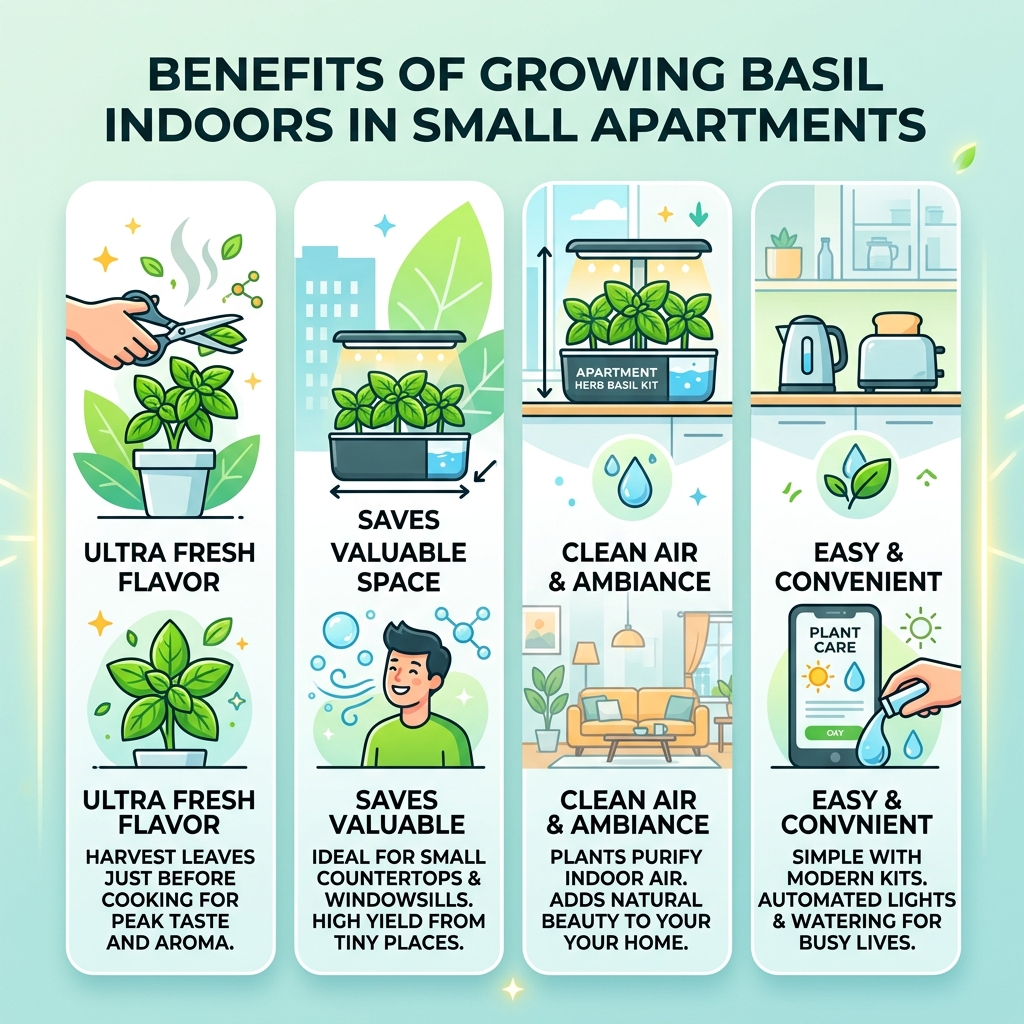
Choosing the Best Apartment Herb Basil Kit for Your Space
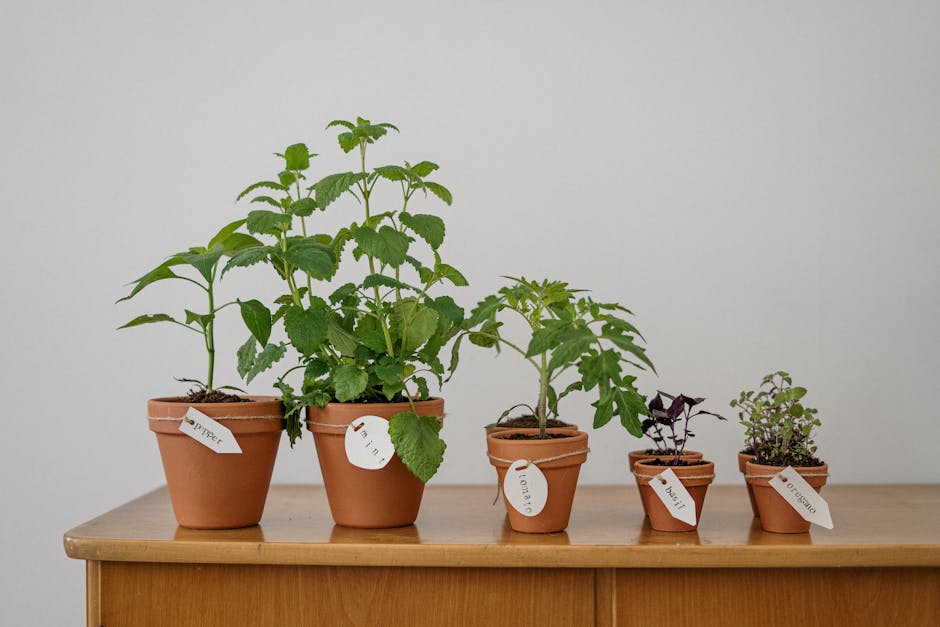
Selecting the right apartment herb basil kit isn’t just about picking the prettiest box; it’s about matching the kit to your home’s unique “micro-climate.” In a 50-square-meter flat, every inch of counter space is precious. We look for kits with a small footprint that offer a high yield without taking over the dining table.
If you have a dark apartment, a kit with integrated LED lighting is a non-negotiable. However, if you’re blessed with a south-facing windowsill, a simple, aesthetic planter might be all you need. The goal is to find a balance between functionality and design—something that looks as good as the basil tastes.
Essential Features of an Apartment Herb Basil Kit
When we evaluate a kit, we look for three main “ease-of-use” pillars:
- Self-Watering or Smart Irrigation: Many modern kits, like those from Click & Grow or EarthBox, use sub-irrigation or “smart soil” to manage moisture. This prevents the “oops, I forgot to water it” tragedy that claims so many indoor plants.
- Drainage Systems: For soil-based kits, proper drainage is vital to prevent root rot. Look for kits that include a tray or use a “can” system with specialized soil that manages moisture without needing external holes.
- Sustainability: We love seeing kits that use biodegradable pots made from rice husks or bamboo scraps. Not only are they better for the planet, but they also breathe better than cheap plastic.
Top-Rated Varieties for Your Apartment Herb Basil Kit
Not all basil is created equal. For apartment dwellers, we recommend focusing on these two heavy hitters:
- Genovese Basil: This is the classic Italian variety. It produces large, dark green, aromatic leaves. It’s the gold standard for pesto and Caprese salads. Most kits, like the Grow Kit – Basil – Sprigbox, feature Genovese because it is incredibly beginner-friendly.
- Thai Basil: If you love stir-fries and pho, Thai basil is a must. It has a sturdier leaf and a spicy, anise-like flavor. It tends to grow quite vigorously in smart gardens.
Always look for kits that explicitly state they use organic, non-GMO seeds. This ensures your kitchen garden remains a healthy, chemical-free zone.
Hydroponic vs. Soil-Based Basil Grow Kits
| Feature | Hydroponic Systems | Soil-Based Kits |
|---|---|---|
| Growth Speed | Up to 5x faster | Standard nature’s pace |
| Mess Level | Zero (no dirt) | Occasional soil spills |
| Maintenance | High (check nutrients/pH) | Low (just water) |
| Flavor Depth | Clean and consistent | Rich and earthy |
| Setup Cost | Higher ($50 – $250) | Lower ($15 – $40) |
Choosing between these two is often a matter of “tech vs. tradition.” Indoor gardening kits for beginners often come in both flavors, so let’s dig into why you might choose one over the other.
Benefits of Soil-Free Growing
Hydroponic systems, like the 8 Herb Hydroponic Grow Kit, allow plants to grow in a nutrient-rich water solution. This is a game-changer for apartments because it eliminates the need for heavy bags of potting mix.
Research shows that plants in these systems can grow up to 30% to 50% faster because the roots have direct access to oxygen and nutrients. Plus, without soil, you significantly reduce the risk of common indoor pests like fungus gnats. For those who want a “set-it-and-forget-it” experience, soil-free kits often use pods that contain all the necessary nutrients, so you just add water every few weeks.
Traditional Soil Kit Advantages
There is something deeply satisfying about digging your hands into the earth—even if that “earth” is a small Organic Kitchen Herbs Windowsill Grow Kit. Soil kits are generally much more affordable upfront.
Many chefs argue that basil grown in soil has a more complex flavor profile due to the natural minerals present in the medium. Kits like the Kitchen Herb Garden – Basil, Mint, Cilantro 3-Pack use a custom organic soil blend that allows you to harvest directly from the container, making it a perfect low-cost entry point for beginners.
Setting Up Your Indoor Basil Garden: A Step-by-Step Guide
Setting up your apartment herb basil kit should take less time than brewing a pot of coffee. Here is the general flow for most kits:
- Prepare the Medium: If using a soil kit, you might need to hydrate a coco coir disk. For example, the Buzzy Seeds kit requires dissolving pellets in 2¼ cups of water.
- Sow the Seeds: Plant your basil seeds about 1/4 inch deep. If you are using a Starter Kit – Herb Garden, while basil and cilantro go under the soil, mint seeds should be lightly pressed onto the surface.
- Hydrate: Use a spray bottle or a gentle pour to moisten the soil. You want it damp, like a wrung-out sponge, not a swamp.
- Find the Light: Place your kit in its forever home. This is the most critical step for success.
For a deeper dive into the nuances of starting out, check out our guide on how to start an indoor herb garden and our indoor herb garden setup tips.
Germination and Initial Care
Temperature is the secret ingredient for germination. Basil loves it warm (around 70°F or 21°C). Many kits include “humidity domes”—clear plastic covers that act like mini-greenhouses. These trap moisture and heat, often helping basil sprout in as little as 5 to 10 days. Once you see those first tiny green “ears” (the cotyledons), remove the dome to allow for air circulation.
Lighting Requirements for Dark Apartments
Basil is a sun-worshipper. It ideally needs 6 to 8 hours of direct sunlight. If your apartment faces an alleyway or another building, your basil will quickly become “leggy”—tall, thin, and weak—as it stretches for light.
In these cases, you must use artificial light. Modern LED grow lights are energy-efficient and can be set on a timer (14-16 hours on is standard for basil). If you’re struggling with a dim kitchen, read our tips on how to care for basil indoors to keep your plants lush and green.
Maximizing Yield and Maintenance in Small Spaces
The biggest mistake new gardeners make is being too “nice” to their basil. To get a high yield in a small space, you have to be a bit ruthless with your scissors.
- Pinch and Prune: Once your basil is about 6 inches tall and has three sets of leaves, pinch off the top set. This forces the plant to grow two new branches from the sides, making it “bushy” rather than “tall.”
- Harvest Often: The more you harvest, the more the plant grows. Just never take more than 1/3 of the plant at once.
- Air Circulation: In tight apartment corners, air can become stagnant, leading to mold. A small fan or just opening a window occasionally can help.
For more maintenance hacks, see our expanded guides: how to care for basil indoors (part 2) and part 3.
Preventing Common Growth Issues
If your basil leaves start turning yellow, you’re likely overwatering. If they look “burnt,” they might be too close to a hot window or an LED bulb. Pests like aphids or spider mites can occasionally hitch a ride indoors; a simple spray of water and organic neem oil usually does the trick. Always use organic fertilizers to keep your edible herbs safe for consumption.
Sustainable and Eco-Friendly Options
We are big fans of the “circular” gardening movement. Kits like the Organic Hanging Garden Basil Kit or the Indoor Herb Kit from Urban Farmer focus on sustainable materials.
Using pots made from rice husks and bamboo scraps means that when your plant eventually reaches the end of its life cycle, the container won’t sit in a landfill for a thousand years. It’s a great way to incorporate beginner-friendly herb garden ideas while staying eco-conscious.
Frequently Asked Questions about Apartment Basil Kits
How long does it take to harvest basil from a kit?
Typically, you will see sprouts in 5 to 14 days. You can start “lightly” harvesting individual leaves around the 4-week mark. For a full harvest (enough for a big batch of pesto), you’re looking at 8 to 12 weeks. Some high-speed hydroponic systems can get you there even faster. For more on timelines, check out easy herbs for beginners to grow indoors.
Can I grow basil year-round without natural sunlight?
Absolutely. This is the beauty of the modern apartment herb basil kit. With a dedicated LED grow light, the plant doesn’t know it’s January in a basement flat; it thinks it’s July in Italy. Keeping your indoor temperature stable is key, as basil hates cold drafts. This makes it one of the best indoor herbs for cooking regardless of the season.
Are indoor herb kits more cost-effective than store-bought basil?
Yes, in the long run. While a smart garden might cost $100 upfront, the “yield per dollar” eventually surpasses store-bought prices. A single $5 basil plant from the store usually dies in a week. A $20 kit like the HOME GROWN Gift Herb Kit can provide months of continuous harvests. Plus, you save on the “gas and time” cost of running to the store every time a recipe calls for a handful of leaves.
Conclusion
At FinCapitaly, we believe that living in a city shouldn’t mean sacrificing the joy of fresh, home-grown food. An apartment herb basil kit is more than just a kitchen accessory; it’s a step toward a more sustainable, flavorful, and mindful way of living.
Whether you choose a high-tech Plantaform Herb Essentials kit or a charming wooden planter for your desk, the result is the same: the incomparable smell of fresh basil right at your fingertips. Ready to start your urban garden journey? More info about indoor gardening is just a click away. Happy growing!
