
What Is Bruschetta Tomato Basil (And How to Make It Right)
Bruschetta tomato basil is a classic Italian appetizer made with fresh diced tomatoes, basil, garlic, and olive oil piled onto crispy toasted bread. Here’s the quick version:
- Dice ripe tomatoes and drain excess juice
- Mix with fresh basil, minced garlic, olive oil, salt, and pepper
- Let it sit for 15-45 minutes so the flavors come together
- Toast thick-cut crusty bread at high heat until golden
- Rub hot toast with a raw garlic clove, then top and serve immediately
Pronunciation tip: It’s broo-SKEH-tah, not “broo-SHEH-tah.” The “ch” in Italian makes a hard “k” sound.
Few appetizers are as rewarding as this one — especially when you’re growing your own basil at home. With just a handful of fresh ingredients and about 20 minutes, you get something that tastes like summer in every bite.
The key is simple: quality ingredients matter more than technique here. Peak-season tomatoes, fragrant basil, good olive oil, and sturdy bread are doing all the heavy lifting. No complicated skills required.
This guide walks you through everything — from picking the right tomatoes and bread, to the garlic rub trick that takes it from good to great.
Mastering the Classic Bruschetta Tomato Basil
When we talk about authentic Italian cuisine, we often find that the simplest dishes are the most revered. Bruschetta tomato basil is the poster child for this philosophy. In its purest form, bruschetta isn’t actually about the tomatoes; the word itself comes from the Italian verb bruscare, which means “to roast” or “to burn” over coals. Traditionally, it referred to the bread itself—grilled slices rubbed with garlic and drizzled with oil.
In the United States, we’ve come to associate the word almost exclusively with the tomato-basil topping. While we love the American version, mastering the “real” thing requires a return to basics. We want to achieve a perfect harmony of flavors where the acidity of the tomato, the peppery punch of fresh basil, and the richness of extra virgin olive oil sing together without any single ingredient drowning out the others.
One of the biggest mistakes people make is serving the topping ice-cold. For the best experience, we recommend letting your tomato mixture sit at room temperature. Cold temperatures mute the natural sugars in the tomatoes and the aromatic oils in the basil. By serving it at room temperature on warm, freshly toasted bread, you create a temperature contrast that is absolutely “lip-smackingly” delicious.
Selecting Ingredients for Bruschetta Tomato Basil
Since there are so few components in this dish, each one needs to be high quality. You can’t hide subpar produce behind a mountain of cheese or heavy sauces here.
- Tomatoes: If it’s summer, look for Roma tomatoes or Campari tomatoes. They have a higher flesh-to-seed ratio, which means less watery mess. If you’re making this in the off-season, cherry or grape tomatoes are your best bet. They tend to stay sweeter and more consistent year-round than large grocery store tomatoes.
- Basil: Freshness is non-negotiable. Dried basil will not work for this recipe. If you really want to elevate your dish, we suggest using basil grown right in your kitchen. Not only does it smell heavenly, but it also ensures you have the most vibrant leaves possible. Check out our Cooking with Indoor Basil: A Simple Guide for tips on getting the most flavor out of your homegrown herbs.
- Olive Oil: This is the time to pull out the “good stuff.” Use a high-quality extra virgin olive oil. It should taste fruity, peppery, and fresh.
- Salt and Vinegar: A pinch of flaky sea salt draws out the juices of the tomatoes. While traditional Italian versions might skip the vinegar, many modern recipes (and our own taste buds) love a splash of balsamic vinegar or a drizzle of balsamic glaze for that irresistible tang.
Choosing the Best Bread
The bread is the foundation of your bruschetta tomato basil. If the bread is too soft, it will turn into a soggy sponge within seconds. If it’s too hard, you’ll risk a “tomato mud-slide” down the front of your shirt as you try to take a bite.
We look for a sturdy, crusty loaf with a tight crumb. You want holes that are small enough to hold the tomato juices but large enough to soak up the olive oil.
| Bread Type | Texture | Juice Absorption | Best For |
|---|---|---|---|
| Baguette | Crunchy crust, soft center | Medium | Small, elegant party appetizers |
| Sourdough | Chewy, tangy, sturdy | High | A hearty lunch or dinner side |
| Ciabatta | Airy, porous, rustic | Very High | Soaking up every drop of garlic oil |
| Italian Loaf | Crispy exterior, dense | Medium | Traditional, authentic flavor |
We recommend slicing the bread about 3/4-inch thick. This thickness provides enough structural integrity to handle the weight of the tomatoes while remaining easy to bite through.
The Secret to Crispy, Non-Soggy Bread
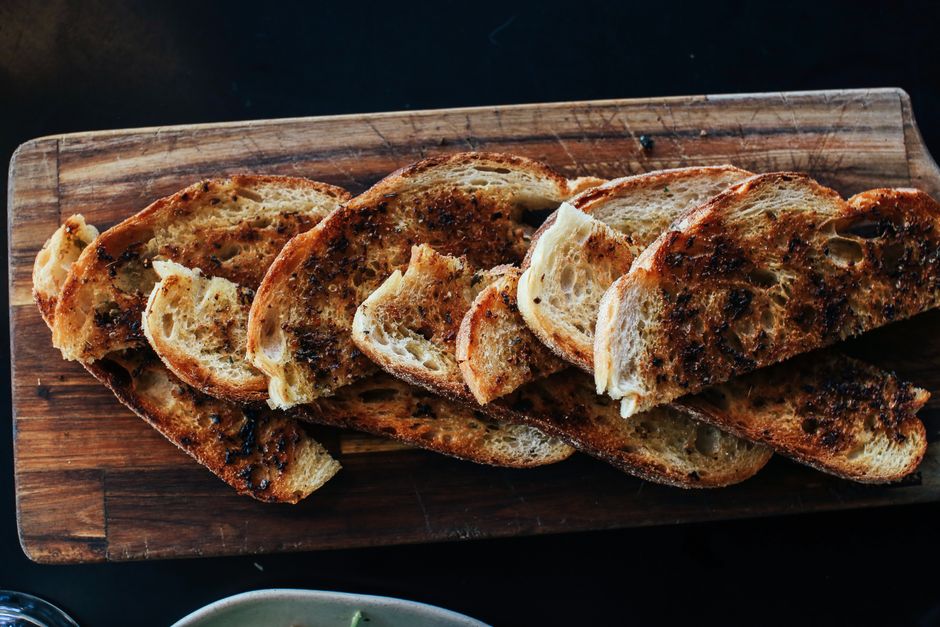
There is nothing more disappointing in the culinary world than soggy bruschetta. To prevent this, we focus on two things: the preparation of the tomatoes and the method of toasting.
First, let’s talk about the tomatoes. After dicing them, we like to place them in a colander over a bowl and sprinkle them with a little salt. Let them sit for at least 15 to 30 minutes. The salt draws out the excess water, leaving you with concentrated tomato flavor and a mixture that won’t drown your bread. If you’re in a hurry, you can even gently pat the diced tomatoes dry with a paper towel.
Second, the toast. We recommend toasting your bread at a high heat—around 450°F (230°C). This creates a crisp “shell” on the outside of the bread that acts as a barrier against the tomato juice. For an even better result, brush both sides of the bread with olive oil before toasting. This not only adds flavor but also creates a fat barrier that repels moisture.
If you have a grill fired up, use it! Grilling the bread adds a smoky charred flavor that is incredibly authentic and pairs beautifully with the freshness of the bruschetta tomato basil.
The Essential Garlic Rub Technique
This is the “cheffy” tip that separates amateur bruschetta from the stuff you get in a high-end Italian bistro. Instead of just mixing minced garlic into the tomatoes, we use the “rub” method.
Once your bread comes out of the oven or off the grill and is still hot, take a peeled, halved clove of raw garlic and rub the cut side directly onto the surface of the toast. The heat of the bread acts like a grater, melting the garlic into the nooks and crannies of the crust. This gives you a sophisticated, aromatic garlic flavor that is integrated into every bite without the harshness of biting into a large chunk of raw garlic in the topping.
If you’re a true garlic lover, you can still add a tiny bit of minced garlic to the tomato mixture, but don’t skip the rub! It’s the secret to that authentic flavor profile we all crave.
Step-by-Step Bruschetta Tomato Basil Instructions
Ready to get started? Follow our foolproof process for the perfect appetizer.
- Prepare the Topping: Dice about 1.5 to 2 pounds of ripe tomatoes into 1cm pieces. Place them in a colander with a teaspoon of salt for 20 minutes to drain.
- The Basil Chiffonade: While the tomatoes drain, prepare your basil. Stack 8-10 large leaves, roll them up tightly like a cigar, and slice across the roll to create thin, beautiful ribbons. For more on handling herbs, see our A Beginner’s Guide to Cooking with Indoor Basil.
- Mix and Marinate: In a medium bowl, combine the drained tomatoes, basil ribbons, 2 tablespoons of extra virgin olive oil, and 1 tablespoon of balsamic vinegar (optional). Season with black pepper. Let this sit on the counter for 15-45 minutes. This “marinating” period is crucial for flavor development.
- Toast the Bread: Preheat your oven to 450°F. Slice your baguette or sourdough into 3/4-inch slices. Brush with olive oil and bake for 5-6 minutes until the edges are golden brown.
- The Garlic Finish: Immediately rub the hot toast with a halved garlic clove.
- Assemble and Serve: Using a slotted spoon (to leave any remaining liquid behind), pile the tomato mixture onto the toast. Drizzle with a little more olive oil and a pinch of sea salt. Serve immediately!
Creative Variations and Pairings
While we love the classic, there’s plenty of room for creativity. Bruschetta tomato basil is a versatile base that can be adapted to suit any palate.
- The Cheesy Version: Top your toasted bread with a thin slice of fresh mozzarella or a sprinkle of shredded mozzarella and pop it back under the broiler for 60 seconds until melted before adding the tomatoes.
- The Balsamic Glaze: For a “10/10 recommend” experience, drizzle the finished bruschetta with a thick balsamic glaze. It adds a sweet, syrupy finish that looks beautiful on a platter.
- Dietary Adaptations: This dish is naturally vegan! For gluten-free guests, simply use a high-quality gluten-free baguette or sturdy gluten-free sourdough.
- Creative Toppings: Some of our favorite additions include a smear of avocado (which acts as “glue” for the tomatoes), a few capers for saltiness, or even some crumbled feta or goat cheese. If you’re looking for more inspiration, explore our guide on Delicious Appetizers Made Easy with Indoor Basil.
Pairing Suggestions:
- Wine: A chilled Pinot Noir or a crisp Sauvignon Blanc pairs beautifully with the acidity of the tomatoes.
- Cocktails: For a true Italian experience, serve your bruschetta with a Campari Spritz or an Aperol Spritz. The bitterness of the drink cuts through the richness of the olive oil perfectly.
Frequently Asked Questions about Bruschetta
How do you traditionally pronounce bruschetta?
In Italy, the “ch” combination is always pronounced as a hard “k” sound. Therefore, the correct pronunciation is broo-SKEH-tah. While many people in the U.S. say “broo-sheh-tah,” using the hard “k” will certainly earn you some respect from your local Italian waiter!
Can the tomato mixture be made in advance?
Yes, you can prepare the tomato mixture up to a day in advance and store it in the refrigerator. However, we recommend adding the salt and the basil just before serving. Salt will continue to draw out moisture over time, which can make the mixture too watery if it sits overnight. If you do make it ahead, use a slotted spoon to serve so you don’t end up with soggy bread.
Should you deseed the tomatoes for the topping?
This is a matter of personal preference. Deseeding (scooping out the watery center and seeds) creates a much “cleaner” and less watery topping, which helps prevent sogginess. However, many people find that the jelly-like substance around the seeds contains a lot of flavor. If you choose not to deseed, just be extra diligent about draining the tomatoes in a colander after dicing.
Conclusion
At FinCapitaly, we believe that great food doesn’t have to be complicated. Bruschetta tomato basil is the ultimate proof that with a little patience and the right ingredients, you can create a restaurant-quality appetizer in your own kitchen. Whether you’re hosting a summer BBQ or just looking for a fresh, healthy snack, this recipe is a guaranteed crowd-pleaser.
Don’t forget that the heart of this dish is the basil. If you’re ready to start your own indoor herb garden to ensure you always have fresh leaves on hand, read our expert tips on How to Care for Basil Indoors.
We hope this guide helps you master the art of the perfect bruschetta. For more culinary inspiration and easy-to-follow guides, Explore more FinCapitaly Recipes and let us know how your latest creation turned out!
