
Why a Kitchen Window Planter Belongs in Every Home Cook’s Kitchen
A kitchen window planter is one of the simplest ways to grow fresh herbs right where you need them most — within arm’s reach while you cook.
Quick Answer: Best Kitchen Window Planter Types at a Glance
| Planter Type | Best For | Key Benefit |
|---|---|---|
| Self-watering plastic | Busy home cooks | Reduces watering needs significantly |
| Cedar wood | Rustic/farmhouse kitchens | Natural rot resistance, 30+ year lifespan |
| PVC | Low-maintenance setups | Weatherproof, paintable, lifetime durability |
| Copper/metal | Style-forward kitchens | Develops patina, highly durable |
| Suction-cup planter | Windows without sills | No drilling, easy install |
Whether you want fresh basil for tonight’s pasta or a year-round herb supply without a backyard, a window planter solves the problem neatly.
The appeal is practical, not just pretty. Growing herbs indoors on a kitchen windowsill can save a meaningful amount on grocery bills annually — and it puts flavor at your fingertips every single day.
Space, light, and time are the three things most home cooks worry about. The right planter addresses all three.
This guide breaks down the best options available right now — from self-watering boxes to handcrafted cedar — so you can pick what fits your window, your kitchen style, and your schedule.
Benefits of Growing Herbs and Vegetables Indoors
There is a distinct magic in reaching over your sink to snip a few sprigs of mint for a mojito or basil for a Caprese salad. Beyond the culinary flair, installing a kitchen window planter offers several transformative benefits for your home environment.
Improved Air Quality and Mental Well-being
Plants are nature’s air purifiers. By planting herbs in kitchen windows, we introduce living filters that scrub indoor pollutants and release fresh oxygen. Beyond the physical air, the presence of greenery is a proven stress-reducer. The “biophilia” effect—our innate tendency to seek connections with nature—suggests that even a small indoor garden can improve our mood and cognitive function while we tackle the dishes.
Significant Grocery Savings
If you have ever bought a plastic clamshell of rosemary only to use two sprigs and watch the rest turn into black slime in the fridge, you know the frustration of herb waste. Research suggests that a single well-maintained windowsill planter can save a household up to $50 a year in grocery costs. For those who dive into high-yield setups, like a quad-kit of planters, those savings can scale up to $200 annually.
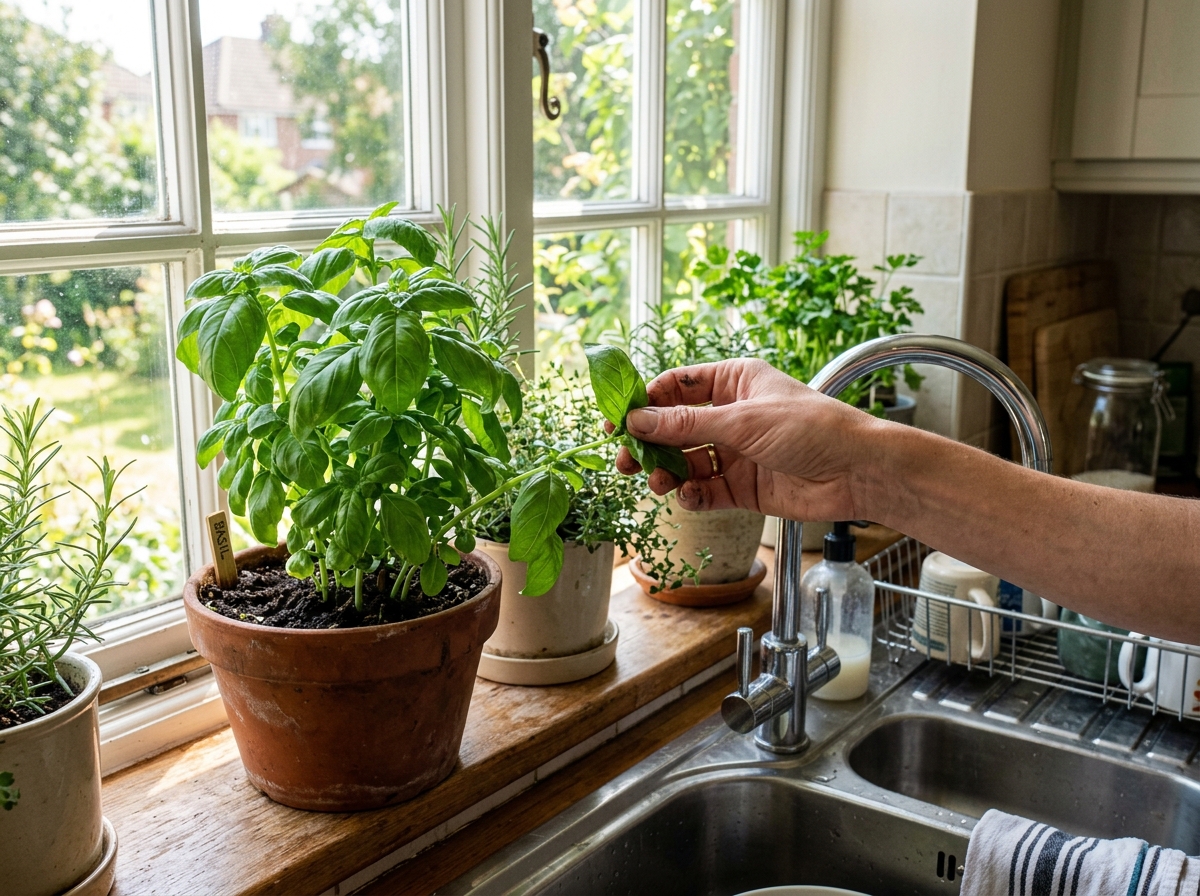
Year-Round Gardening Accessibility
Weather is no longer an obstacle when your garden is behind glass. Whether it is a frost-heavy January or a scorching July, your kitchen microclimate remains relatively stable. Using container planting for herbs allows you to bypass the traditional growing seasons, ensuring that fresh flavors are available 365 days a year.
Choosing the Best Materials for Your Planter
Selecting the right material for your kitchen window planter is about balancing aesthetics with durability. The kitchen is a high-moisture environment, often subject to temperature swings from the stove or drafts from the window.
| Material | Durability | Maintenance | Best Style Match |
|---|---|---|---|
| Cellular PVC | Lifetime | Low (Wipe clean) | Modern, Colonial, Victorian |
| Western Red Cedar | 30+ Years | Medium (Can stain/seal) | Farmhouse, Rustic, Natural |
| Copper/Stainless Steel | High | Low (Natural Patina) | High-end, Industrial, European |
| Polyethylene Plastic | High | Low | Casual, Functional |
Cellular PVC: The Modern Standard
Many homeowners are turning to PVC window box planters because they offer the look of painted wood without the risk of rot, warping, or insect damage. High-quality cellular PVC has a matted finish that holds paint exceptionally well, allowing you to match your planter perfectly to your kitchen trim. These are often touted as the “last window boxes you’ll ever buy” because they are essentially winter-proof and impervious to water.
Western Red Cedar: Natural Elegance
For a warmer, more organic feel, Kelowna Woodcraft and other artisans recommend Western Red Cedar. Cedar is naturally rot-resistant and insect-repellent. A well-constructed cedar box with tongue-and-groove joinery can last decades. It’s an excellent choice for those who want a “lived-in” farmhouse aesthetic.
Metal and Copper: The Statement Pieces
Copper planters are the jewelry of the kitchen. Over time, copper develops a beautiful verdigris patina that adds character to the room. If you prefer a more structured look, wrought iron cradles with coco coir liners offer a classic European feel. These materials are incredibly sturdy and can support heavier soil loads, which is vital for larger 36-inch or 48-inch installations.
Practical Plastic and Self-Watering Features
If functionality is your primary goal, UV-protected polyethylene or recycled plastic options from retailers like Gardener’s Supply are hard to beat. The standout feature here is the self-watering reservoir. These built-in tanks can reduce your watering frequency threefold by allowing the plants to “wick” moisture from a bottom chamber as needed.
Top Plants and Herbs for Indoor Sills
Not every plant is a candidate for the windowsill lifestyle. To succeed, you need plants that can handle the specific light and space constraints of a kitchen window planter.
The Culinary “Big Three”
- Basil: The king of the kitchen garden. It loves the heat of a sunny window but needs consistent moisture.
- Mint: Highly prolific and almost impossible to kill. It’s best grown in its own container within the planter to prevent it from overtaking other herbs.
- Parsley: A slow starter but a steady producer. It handles the slightly cooler temperatures near a window pane better than tropical herbs.
Low-Maintenance Alternatives
If you don’t cook often but want the greenery, consider succulents or air plants. They require minimal water and offer architectural beauty. For those looking to maximize their footprint, vertical herb gardening indoors using tiered window shelves can turn a single window into a lush green wall.
Light and Drainage Requirements
Most herbs require at least 6 hours of sunlight daily. South-facing windows are the “gold mine” for indoor gardeners. If your kitchen is North-facing, you might need to supplement with a small LED grow light.
Regardless of the plant, drainage is non-negotiable. Always look for a window sill herb planter that includes a seamless saucer or an internal drainage tray. This prevents the dreaded “wet feet” (root rot) and protects your woodwork from water damage. For more specialized setups, refer to our indoor herb garden setup tips.
Installation and Maintenance of a Kitchen Window Planter
Installing a kitchen window planter can range from a five-minute “set and forget” task to a more involved DIY project.
Step-by-Step Setup for a Kitchen Window Planter
- Measure Twice: Measure the width of your windowsill or the area below your window. A standard box should be roughly the same width as the window or slightly shorter. For height, a box that is about 25% of the window’s total height usually looks most proportional.
- Choose Your Mount:
- On the Sill: Use a window sill kitchen planter designed with a flat base.
- No Sill?: Use a suction-based option like the Eden Window Planter, which attaches directly to the glass and can hold up to 5kg.
- Wall-Mounted: For outdoor-facing kitchen windows, use heavy-duty iron brackets.
- Prepare the Layering: Even with drainage holes, adding a thin layer of gravel or leca (clay pebbles) at the bottom can improve aeration.
- Soil Selection: Use a high-quality indoor potting mix, not garden soil. Garden soil is too heavy and may contain pests. Leave about a half-inch of space at the top to prevent overflow when watering.
- Planting: Arrange your taller herbs (like rosemary) in the back and trailing plants (like thyme or ivy) in the front.
For more creative inspiration, check out our DIY indoor herb planter ideas.
Essential Care for Your Kitchen Window Planter
Maintenance is where many indoor gardens fail, but it doesn’t have to be complicated. We recommend following these simple rules:
- The Finger Test: Stick your finger an inch into the soil. If it feels dry, water it. If it’s damp, wait. Overwatering is the #1 killer of indoor herbs.
- Rotate for Even Growth: Plants will naturally lean toward the light. Every week, give your kitchen window planter a 180-degree turn to keep your plants growing straight.
- Pruning is Harvesting: Don’t be afraid to snip! Regular harvesting encourages the plant to grow bushier rather than tall and spindly. Always cut just above a leaf node.
- Pest Prevention: Keep an eye out for fungus gnats or aphids. A simple spray of water and a drop of organic dish soap can usually handle minor infestations.
For those living in smaller quarters, our guide on indoor herb garden for apartments offers tailored advice for compact spaces.
Frequently Asked Questions about Kitchen Window Planters
What are the best herbs for a kitchen window planter?
The best herbs are those that stay relatively compact and love sunlight. Basil, chives, mint, parsley, and cilantro are the most popular choices. If you have a very sunny window, rosemary and thyme are excellent because they are drought-tolerant and very aromatic.
How do I prevent water damage on my windowsill?
Always use a planter with a built-in saucer or a separate drainage tray. If you are using a wooden planter, ensure it has a plastic liner or is treated with a non-toxic water sealant. Many indoor window sill planters on Amazon come with specialized trays designed specifically to protect delicate surfaces.
Do self-watering planters really work?
Yes! Self-watering systems use capillary action to pull water from a reservoir into the soil as the plant needs it. This is particularly helpful in kitchens where the air can be dry. It prevents the “cycle of stress” where a plant completely dries out and then is suddenly flooded with water.
Conclusion
At FinCapitaly, we believe that your home should be both beautiful and functional. A kitchen window planter is more than just a decoration; it’s a tool for better cooking, a breath of fresh air, and a small way to boost your home’s daily joy. Whether you choose a sleek PVC model for its lifetime guarantee or a rustic cedar box for its natural charm, you are making an investment in your well-being.
Ready to start your indoor gardening journey? Explore indoor tools and gardening solutions to find the perfect match for your kitchen today. For more layout inspiration, don’t miss our indoor herb garden layout tips or browse through 15 indoor window sill planters ideas on Pinterest for your next project. Happy planting!
