
Why Grow Your Own Cocktail Herbs at Home
Grow your own cocktail herbs and you’ll never reach for a wilted supermarket sprig again. The difference between a fresh-muddled mojito and a mediocre one often comes down to one thing: the quality of the herb in the glass.
Here are the top starter kits to get growing fast:
- All-in-one seed kit – includes heirloom seeds, starter soil, and plant markers
- Windowsill herb kit – compact pots sized for mint, basil, and thyme on any counter
- Self-watering planter set – ideal for busy growers with limited time
- LED grow light bundle – solves the low-light problem in apartments
- Recycled seed starter kit – eco-friendly option with peat-free compost and reusable trays
Fresh herbs transform ordinary drinks into something special. Mint is essential for mojitos and juleps. Rosemary pairs beautifully with gin and whiskey. Lavender turns a simple lemonade into something elegant.
The good news? You don’t need a garden. Most cocktail herbs — mint, rosemary, thyme, sage — grow happily in small pots on a windowsill or balcony. Basil needs as little as 4 hours of direct sun per day. Many perennial herbs like thyme and rosemary come back year after year once planted.
Whether you have a sunny kitchen counter or a small balcony, the right kit makes starting simple and fast.
The Best Varieties to Grow Your Own Cocktail Herbs
When we decide to grow your own cocktail herbs, the sheer variety can be overwhelming. Do we go with the classic spearmint or try something adventurous like chocolate mint? The key is to choose plants that offer high aromatic impact and versatility in the shaker.
Mint: The Essential Mover and Shaker
Mint is the undisputed king of the cocktail garden. It’s the backbone of the Mojito, the Mint Julep, and the Moscow Mule. Beyond the standard spearmint, we recommend experimenting with varieties like Pineapple Mint for a tropical aroma or Yerba Buena for an authentic Cuban flair. Just remember: mint is aggressive. If left to its own devices, it might just assume your identity and take over your entire apartment! Always keep it in its own container.
Sweet Basil: The Theatrical Garnish
Basil brings a peppery, clove-like sweetness to drinks. It requires at least 4 hours of direct sun per day and thrives in soil with a neutral pH of around 7. For something unique, try Thai Basil in a gin-based drink for a spicy, anise-forward kick. We’ve found that creating unique cocktails with homegrown basil is one of the fastest ways to impress guests at a dinner party.
Rosemary and Thyme: The Savory Stalwarts
These woody perennials are perfect for the “set it and forget it” gardener. Rosemary needs about 6 hours of sun and pairs exceptionally well with bourbon or gin. Thyme, particularly Lemon Thyme, adds a subtle citrus note to vodka-based sparklers. Both are incredibly hardy and can survive in arid conditions, making them ideal for those of us who occasionally forget the watering can.
Lavender and Stevia: The Natural Sweeteners
Lavender adds an elegant, floral “theatre” to champagne or lemonade. Meanwhile, Stevia is a powerhouse for the health-conscious mixologist; it is 200 times sweeter than sugar, allowing us to create potent natural sweeteners right from the soil.
Unique Options for Advanced Gardeners
If you’re looking to level up, try growing Pandan. Its roots form in 2–4 weeks from cuttings, and you can harvest leaves for nutty, vanilla-like infusions in just 6–10 weeks. Lemon Verbena is another fantastic choice—it loses its leaves in winter but bounces back with an intense lemon-sherbet aroma that is unmatched by actual lemons.
Essential Kits and Tools to Grow Your Own Cocktail Herbs
Starting a garden shouldn’t feel like a chore. We believe in using tools that lower the barrier to entry. Whether you’re a “plant lady” in training or a seasoned green thumb, the right kit provides the foundation for success.
What to Look for in a Kit
A high-quality cocktail herb kit should include:
- Heirloom Seeds: These offer better flavor profiles than generic store-bought varieties.
- Organic Potting Soil: Herbs like basil and mint are “heavy feeders” and need nutrient-rich soil to produce the oils that make them smell so good.
- Drainage Holes: Never underestimate the power of a hole! Without proper drainage, your herbs will suffer from root rot.
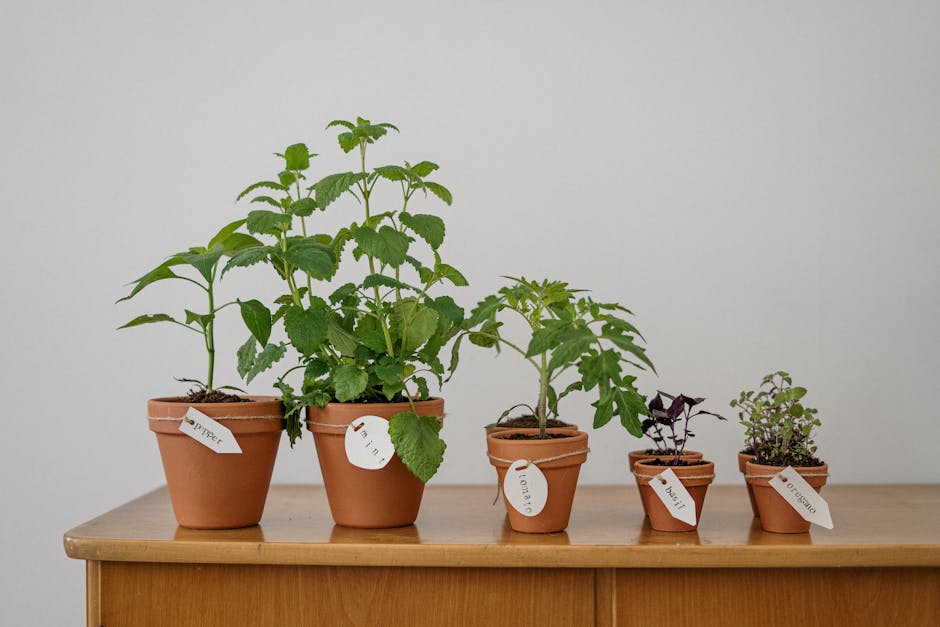
- Plant Markers: Because after the third round of homemade mojitos, you will forget which one is the peppermint and which is the lemon balm.
Comparing Your Options
| Kit Type | Best For | Key Features |
|---|---|---|
| Windowsill Kit | Apartments/Kitchens | Compact size, often uses jars or small tins. |
| Balcony Planters | Small Outdoor Spaces | Larger volume for perennials like Rosemary. |
| Self-Watering Pods | Beginners | IoT sensors or wicking systems to prevent drying out. |
| Raised Beds | Suburban Gardens | High yield, great for “cocktail parties” scale. |
Choosing the Right Kit to Grow Your Own Cocktail Herbs
When selecting a kit, consider your starting point. Are you starting herbs from seeds indoors? If so, look for kits that include seed starter trays and peat-free compost. If you’re a total novice, we recommend easy herb seeds for beginners like basil or dill, which germinate quickly and provide instant gratification. Don’t forget to check out easy-herb-seeds-for-beginners-2 for more variety.
Small Space Solutions to Grow Your Own Cocktail Herbs
You don’t need a backyard to have a thriving bar menu. Many of us successfully grow your own cocktail herbs on windowsills using repurposed jars or vertical planters. Hanging baskets are excellent for trailing herbs like certain varieties of thyme. For more inspiration on what thrives inside, check out our guide on the best indoor herbs for cooking and easy herbs for beginners to grow indoors.
Planting and Maintenance: From Cuttings to Full Harvest
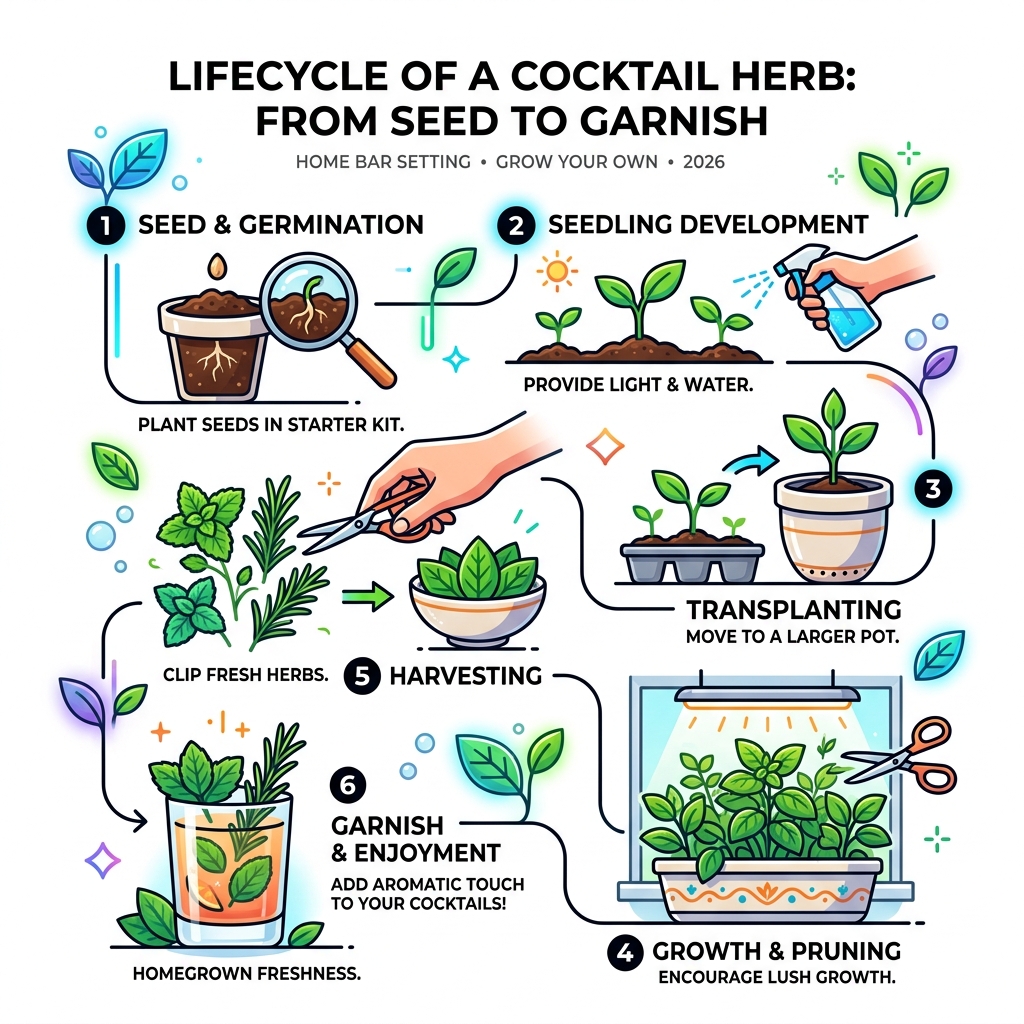
The journey from “seed to sip” requires a bit of patience and a few trade secrets. While seeds are rewarding, many cocktail herbs can be grown from cuttings—even those you buy at the supermarket!
The Cutting Method
Did you know you can regrow mint and basil in a glass of water? Simply place a fresh cutting in a jar of lukewarm water on a sunny ledge. Change the water weekly, and in a few weeks, you’ll see roots forming. This is a great way to maintain a “living garnish” station right on your home bar.
Sunlight and Soil
Most cocktail herbs are sun-worshippers. Bergamot and Rosemary need at least 6 hours of full sun. If your apartment is a bit dark, don’t worry—supplemental LED grow lights can bridge the gap. When it comes to soil, use a well-draining, slightly acidic potting mix (pH 6.0-6.8) for citrus and a neutral mix for herbs.
Watering and Pruning
The golden rule: water the soil, not the leaves. Splashing water on basil leaves can lead to fungal issues. For most herbs, providing 1-2 inches of water weekly is the sweet spot. Regular pruning is also essential; it encourages the plant to become “bushy” rather than “leggy.” By pinching off the tops of your basil or mint, you’re actually telling the plant to grow more leaves—which means more cocktails for you!
For those looking for a “set it and forget it” approach, we’ve detailed low-maintenance indoor herb planting techniques that work wonders for busy professionals.
Mixology Techniques: Syrups, Infusions, and Garnishes
Now for the fun part: using your harvest! Fresh herbs open a door to flavor possibilities that simply aren’t available at the local pub.
Muddling 101
Muddling is the act of gently bruising herbs to release their essential oils. For “soft” herbs like basil or mint, use a light touch. If you over-muddle, you might release bitter chlorophyll. Pro tip: some mixologists blend basil until it literally starts smoking to create a vibrant, intense basil oil for Gimlets.
Simple Syrups and Infusions
Creating an herbal syrup is as easy as boiling water. Combine equal parts sugar and water, bring to a simmer, and then add a handful of fresh rosemary or lavender. Let it steep as it cools, then strain.
- Spirit Infusions: Drop a few stalks of lemongrass or pandan into a bottle of gin for 2–6 hours.
- Oleo Saccharum: Use citrus peels and sugar to draw out oils for a rich, flavorful base for punches.
Preservation for Year-Round Use
If you have a bumper crop, don’t let it go to waste.
- Freezing: Place herb leaves in ice cube trays, fill with water (or even gin!), and freeze. These look stunning in a highball glass.
- Drying: Tie bundles of thyme or sage and hang them in a well-ventilated, shady spot.
- Shrubs: Combine fruit, herbs, and vinegar for a tangy “drinking vinegar” that lasts for months.
Troubleshooting Common Cocktail Herb Problems
Even the best gardeners face challenges. The key is to act fast when you notice something is off.
Common Issues and Fixes
- Yellow Leaves: This is often a sign of overwatering or a pH imbalance. Use a moisture meter to ensure you aren’t drowning your plants.
- Leggy Growth: If your herbs are tall and spindly, they are “reaching” for light. Move them to a sunnier spot or add a grow light.
- Pests: Aphids and spider mites love tender basil. A simple spray of water and organic neem oil usually does the trick.
- Root Rot: If the soil smells sour and the plant is wilting despite being wet, it’s root rot. Improve your drainage immediately.
Overwintering
If you’re growing perennials like Rosemary or Bergamot, you’ll need to protect them when temperatures drop. Move pots indoors to a cool, bright room. Most herbs need to stay above 5°C to survive. For more tips on keeping your indoor garden healthy during the dark months, see our guide on the best herbs to grow indoors.
Frequently Asked Questions about Cocktail Gardening
How do I prevent mint from taking over my garden?
Mint spreads via underground rhizomes. The only way to truly contain it is by planting it in its own pot. If you’re planting in the ground, use a deep root barrier, but even then, mint is a crafty escape artist. Regular pruning and harvesting for Mojitos is the best way to keep it in check!
Can I grow cocktail herbs indoors year-round?
Absolutely. With full-spectrum LED lights and a south-facing window, you can have a “perpetual harvest.” Just be mindful of humidity; indoor air can be very dry in the winter, so using a humidity tray or occasional misting can help your herbs thrive.
What are the best herbs for gin-based cocktails?
Gin is essentially “liquid botanicals,” so it pairs naturally with herbs. Rosemary and Thyme enhance the piney notes of juniper. For a more floral drink, try Lavender or Lemon Verbena. If you want something savory and “dirty,” Dill is a fantastic companion for a Gin Martini.
Conclusion
At FinCapitaly, we believe that the best drinks are the ones grown with a little love and a lot of sunlight. When you grow your own cocktail herbs, you’re not just making a drink; you’re practicing sustainable mixology. You’re reducing waste from supermarket plastic packaging and ensuring that every sip is packed with the freshest aromatics possible.
From the 200x sweetness of Stevia to the long-lasting 10-year yield of a well-maintained raspberry bush, the rewards of a cocktail garden are both immediate and enduring. Whether you start with a simple recycled egg carton or a high-tech LED kit, the journey from seed to sip is one of the most satisfying ways to elevate your home bar.
Ready to start your journey? You can explore more about the history and cultivation of herb gardens to inspire your setup. Start your cocktail herb journey today and toast to a greener, tastier home bar!
