
Choosing the Best Herbs for Growing Herbs in Pots Indoors
When we start growing herbs in pots indoors, the first secret to success is picking the right “roommates.” Not all herbs are created equal when it comes to living on a windowsill. Some are rugged sun-worshippers, while others prefer the quiet, damp corners of the kitchen.
If you are just starting out, we recommend beginning with a few staples that you actually use in your cooking. There is nothing more satisfying than reaching over while a pot of sauce is simmering and pinching off a few leaves of fresh basil. For a deeper dive into which plants might suit your palate, check out our guide on the best indoor herbs for cooking.
Sun-Loving Mediterranean Favorites
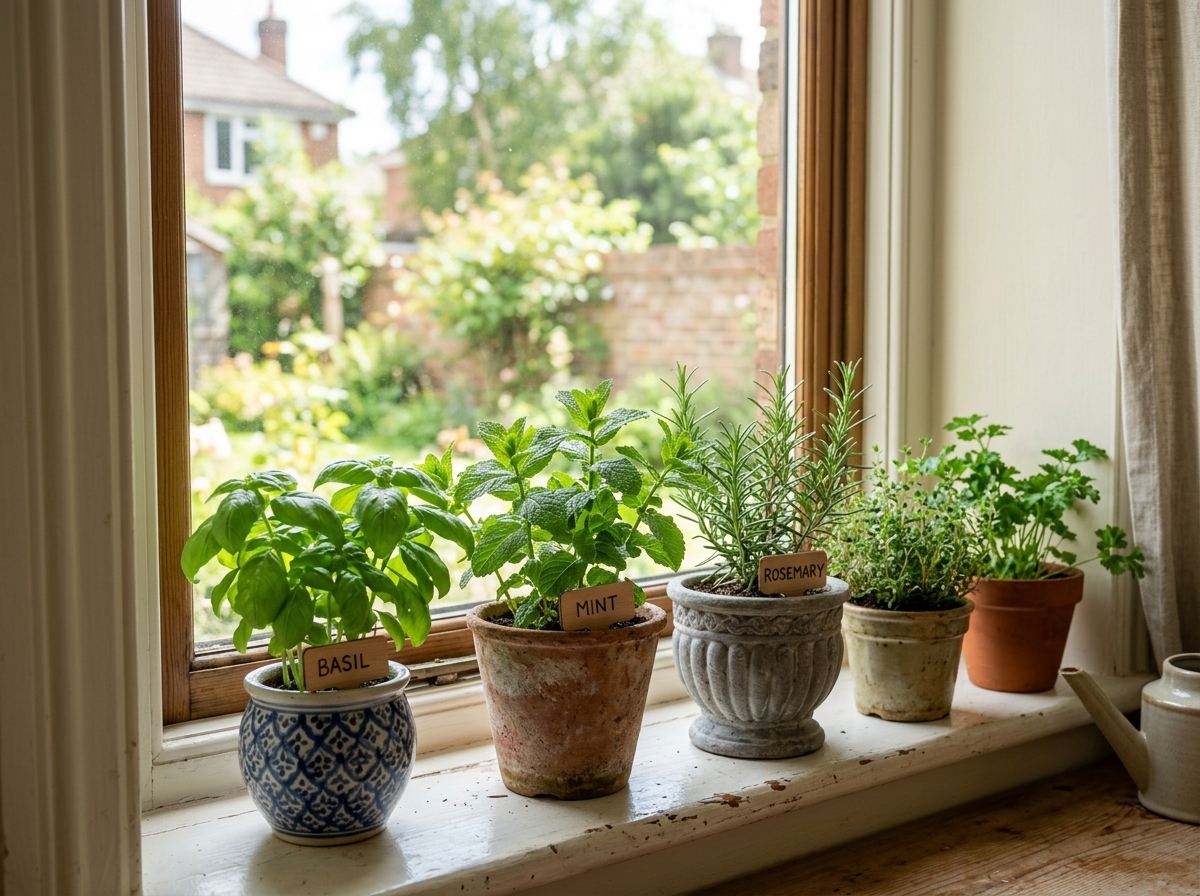
Herbs like rosemary, thyme, sage, and oregano are the “tough kids” of the herb world. They evolved in the lean, rocky soils of the Mediterranean, which means they love intense light and don’t like their “feet” (roots) to stay wet.
- Rosemary: This woody perennial loves a south-facing window. It’s also known for its aromatic benefits; some believe having rosemary on your desk can even aid memory while you work!
- Thyme: This is a low-maintenance champion. Varieties like ‘Doone Valley’ lemon thyme stay compact and offer a wonderful citrus punch to grilled vegetables.
- Sage: Whether it’s the classic green or the beautiful tri-color variety, sage needs plenty of sun and slightly drier conditions than its leafy cousins.
To keep these favorites happy, you need well-draining soil and plenty of sun. You can find more details in our article on the best herbs to grow indoors.
Shade-Tolerant Leafy Herbs
If your kitchen doesn’t get eight hours of blazing sun, don’t worry. Many leafy herbs are more forgiving and can thrive in indirect light or shorter bursts of sunshine.
- Mint: This is perhaps the easiest herb to grow, but it’s a bit of a space hog. We always recommend giving mint its own pot, as its shallow roots will quickly overtake any neighbors.
- Parsley: A biennial that is notoriously slow to germinate from seed (as the old saying goes, you have to sow it seven times for the devil and once for yourself!). Once it gets going, it’s a kitchen workhorse.
- Chives: These are incredibly resilient. You can even dig up a small clump from an outdoor garden in the fall, pot it, and bring it inside for winter harvests.
- Cilantro: This herb likes it a bit cooler. If it gets too hot, it will “bolt” (go to seed), so keep it away from the oven.
For those just starting their journey, we’ve rounded up the easy herbs for beginners to grow indoors to help you get a “green thumb” win right away. For more expert advice, the Iowa State University Extension offers a great resource on growing herbs indoors.
Essential Setup: Pots, Soil, and Starting Your Garden
The foundation of growing herbs in pots indoors isn’t just the plant; it’s the home you build for it. Using the wrong soil or a pot without drainage is the fastest way to end up with a wilting mess.
Starting from Seeds vs. Seedlings
We often get asked: “Should I start from scratch?”
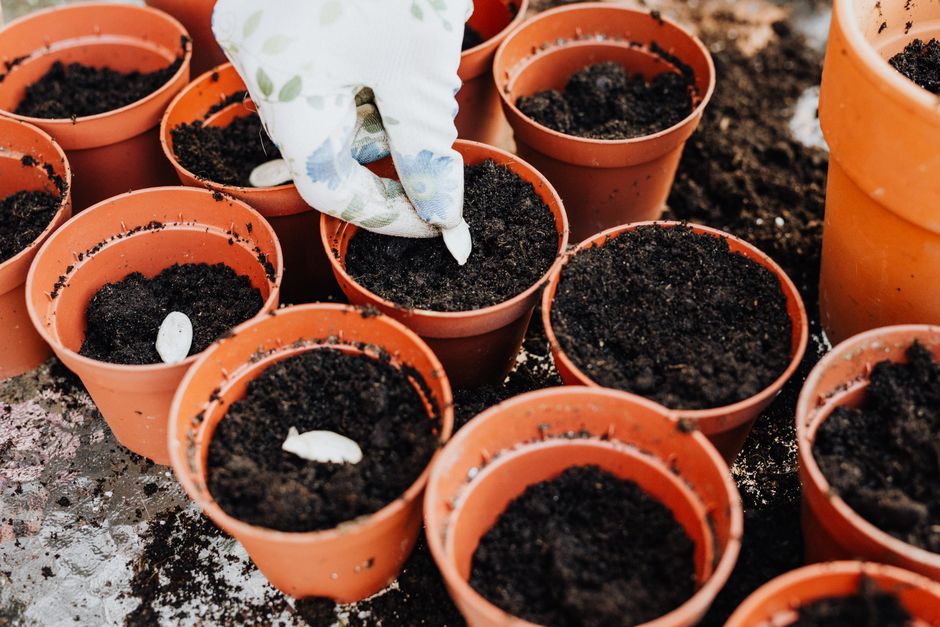
- Seeds: This is the most cost-effective method and gives you access to unique varieties. However, it requires patience. Annuals like basil and cilantro are great for seed starting. Learn more at starting herbs from seeds indoors.
- Seedlings/Nursery Plants: For instant gratification, buy “baby” plants from a local nursery. This is ideal for woody perennials like rosemary or oregano, which take a long time to grow from seed.
- Cuttings: Many herbs, like mint and basil, can be started from a simple cutting placed in a glass of water until roots form.
The Importance of Drainage and Pot Size for Growing Herbs in Pots Indoors
If there is one “secret” to indoor gardening, it is drainage. Herbs hate standing in water.
- Pot Depth: Most herbs have relatively shallow root systems. A pot that is 6 inches deep is usually sufficient.
- Materials: We love terracotta. It’s porous, allowing the soil to “breathe” and moisture to evaporate, which prevents root rot. Plastic or glazed ceramic pots hold more moisture, which is okay for mint or parsley, but risky for rosemary.
- Soil Choice: Never use garden soil! It’s too heavy and can harbor pests. Use a high-quality indoor potting mix. For Mediterranean herbs, we sometimes mix in a bit of perlite or sand to increase drainage.
For a complete breakdown of the gear you’ll need, see our guide on container planting for herbs and soil and fertilizer for indoor herbs.
Mastering Light, Temperature, and Humidity
In the great outdoors, nature takes care of the lighting and the “weather.” Indoors, we are the weather gods.
Managing Indoor Climate and Humidity
Most herbs are happiest when the temperature mimics a pleasant spring day: 65-70°F during the day and a slightly cooler 55-60°F at night.
The biggest challenge in winter is humidity. Forced-air heating dries out the air, which can stress your plants. To fix this:
- Pebble Trays: Fill a tray with pebbles and water, then set your pots on top (ensuring the pot isn’t actually sitting in the water). As the water evaporates, it creates a humid microclimate.
- Grouping: Place your pots close together. Plants naturally release moisture through their leaves, and grouping them helps trap that humidity.
- Misting: A light misting helps most herbs, though we recommend avoiding misting rosemary, as it can encourage mildew.
Check out our humidity tips for indoor herbs for more creative ways to keep the air moist. For a deeper look at environmental factors, Penn State Extension provides a comprehensive guide on growing herbs indoors.
Using Grow Lights and Hydroponics for Growing Herbs in Pots Indoors
If you don’t have a south-facing window that provides 6-8 hours of direct sun, don’t despair. Modern technology has made growing herbs in pots indoors foolproof.
- LED Grow Lights: These are energy-efficient and provide the full spectrum of light plants need. Aim for 12-14 hours of light daily. Using a timer is a lifesaver!
- Hydroponic Units: Systems like the AeroGarden or iDoo use nutrient-rich water instead of soil. They often come with built-in lights and tell you exactly when to add water. It’s like the “Keurig” of gardening!
For more on setting up your tech, visit grow lights for indoor herbs.
Maintenance, Harvesting, and Troubleshooting
Once your herb garden is set up, the goal is to keep it productive. This requires a bit of “tough love” in the form of regular pruning.
| Herb Type | Watering Frequency | Light Needs |
|---|---|---|
| Mediterranean (Rosemary, Thyme) | Let top 2 inches dry | 6-8 hours direct sun |
| Leafy (Basil, Mint, Cilantro) | Keep consistently moist | 4-6 hours sun/Indirect |
| Chives/Parsley | Let top inch dry | 4-6 hours sun |
How to Harvest for Continuous Regrowth
The biggest mistake beginners make is being too afraid to cut their herbs. Pruning actually tells the plant to grow more!
- The One-Third Rule: Never harvest more than one-third of the plant at a time. This ensures the plant has enough foliage to keep photosynthesizing and growing.
- Where to Cut: Always cut just above a leaf node (the spot where new leaves are branching out). This encourages the plant to branch out and become “bushy” rather than “leggy.”
- Timing: For the best flavor, harvest in the morning when the essential oils are most concentrated.
For more tips on keeping your plants lush, read about pruning herbs for healthy growth.
Solving Common Indoor Herb Problems
Even experts run into trouble. Here is how to fix the most common issues:
- Leggy Growth: This means the plant is “stretching” for light. Move it to a sunnier spot or add a grow light.
- Yellow Leaves: Usually a sign of overwatering. Use the “finger test”—stick your finger into the soil to the first knuckle. If it’s damp, don’t water!
- Fungus Gnats: These tiny black flies love damp soil. Try bottom watering (placing the pot in a tray of water for 15 minutes) to keep the top of the soil dry.
We have more troubleshooting tips at indoor herb growth troubleshooting and indoor herb pest control tips.
Long-Term Care and Seasonal Transitions
Indoor herbs aren’t just for a single season. Many, like rosemary and sage, are perennials that can live for years.
Fertilizing and Repotting
Indoor herbs have a limited amount of soil, so they eventually run out of nutrients.
- Fertilizing: During the growing season (spring and summer), use a liquid organic fertilizer at half-strength every two weeks. Avoid over-fertilizing, as it can actually make the flavor of the herbs weaker!
- Repotting: If you see roots poking out of the drainage holes, it’s time for a bigger home. Early spring is the best time to repot.
Check our indoor herb fertilizer guide for our favorite nutrient recipes.
Moving Herbs Outdoors and Back
If you have a balcony or patio, your herbs will love a “summer vacation” outdoors. However, you must harden them off.
- Start by placing them in a shaded, protected area for a few hours a day.
- Gradually increase their exposure to sunlight and wind over 7-10 days.
- Reverse the process in the fall before the first frost hits.
Learn more about managing the changes in seasonal care for indoor herbs.
Frequently Asked Questions about Growing Herbs Indoors
How much light do indoor herbs really need?
Most herbs need a minimum of 6 hours of direct sunlight to produce the oils that give them their flavor. If you are using grow lights, they need about 12-14 hours because artificial light is less intense than the sun. A south-facing window is usually your best bet, followed by west-facing.
Can I use regular garden soil in my indoor pots?
We strongly advise against it. Garden soil is very dense and will compact in a pot, suffocating the roots. It also often contains weed seeds and microscopic pests that can thrive in the warm environment of your home. Always stick to a dedicated potting mix.
Why are my indoor herbs turning yellow?
This is the most common cry for help! 90% of the time, it is overwatering. When roots sit in water, they can’t breathe, and they begin to rot. The first symptom is yellowing leaves. Ensure your pot has drainage holes and that you aren’t watering on a “schedule,” but rather based on how the soil actually feels.
Conclusion
At FinCapitaly, we believe that growing herbs in pots indoors is more than just a hobby—it’s a step toward a more sustainable and flavorful lifestyle. There is a unique joy in the “garden-to-table” journey, even if that journey is only three feet from your windowsill to your stove.
By mastering the basics of light, drainage, and harvesting, you can enjoy a lush, fragrant indoor garden regardless of the weather outside. Ready to build your own setup? Check out our DIY Indoor Herb Planter Ideas for inspiration on how to make your herb garden as beautiful as it is functional. Happy growing!
