
Why the Right Herb Containers for Kitchen Use Make All the Difference
Herb containers for kitchen use come in many styles — and picking the right one changes everything about how long your herbs stay fresh and how easy they are to use.
Here’s a quick look at the best options:
| Container Type | Best For | Key Feature |
|---|---|---|
| Fresh herb keeper | Basil, parsley, cilantro | Water reservoir, air vents |
| Glass spice jar | Dried herbs, spice blends | Airtight seal, UV protection |
| Ceramic pot | Countertop live herbs | Breathable, stylish |
| Hanging planter | Space-saving fresh herbs | Vertical storage |
| Stackable jar set | Bulk dried spice storage | Space-efficient, labeled |
Most home cooks deal with the same frustrations: herbs that wilt within days, spice jars that lose their flavor too quickly, and cluttered countertops with no clear system. The fix isn’t complicated — it just comes down to matching the right container to the right herb.
Fresh herbs like basil and parsley need hydration and airflow. Dried herbs like oregano and cumin need airtight seals and protection from light and heat. Using the wrong container for either can cut their useful life dramatically.
The good news? There are purpose-built solutions for every situation — whether you’re growing herbs on a windowsill, storing a spice collection in a drawer, or keeping cut herbs fresh in the fridge for up to three weeks.
This guide reviews the best styles and products so you can find the perfect fit for your kitchen.
Choosing the Right Herb Containers for Kitchen Success
When we talk about herb containers for kitchen organization, we aren’t just looking for something that looks pretty on a shelf. We are looking for a functional tool that preserves the volatile oils in dried spices and keeps the cellular structure of fresh leaves from collapsing.
To choose the right container, we first need to understand the enemies of herb freshness: light, heat, air, and moisture. For dried herbs, air is the enemy because it causes oxidation, which turns your vibrant green oregano into dusty gray flakes with no flavor. Light is another culprit; UV rays break down chemical compounds. This is why many professional herbalists prefer amber glass apothecary jars. Amber glass provides significant UV protection compared to clear glass.
Moisture control is equally vital. If you’ve ever noticed your garlic powder turning into a brick, you’ve seen the effects of poor moisture management. High-quality containers often feature airtight silicone seals or gaskets to lock out humidity. When selecting materials, we always recommend BPA-free options to ensure no nasty chemicals leach into your culinary ingredients.
For those looking to maximize their kitchen space, understanding how to arrange these tools is half the battle. You can find more info about indoor herb garden layout tips to help you visualize where these containers should live for maximum efficiency.
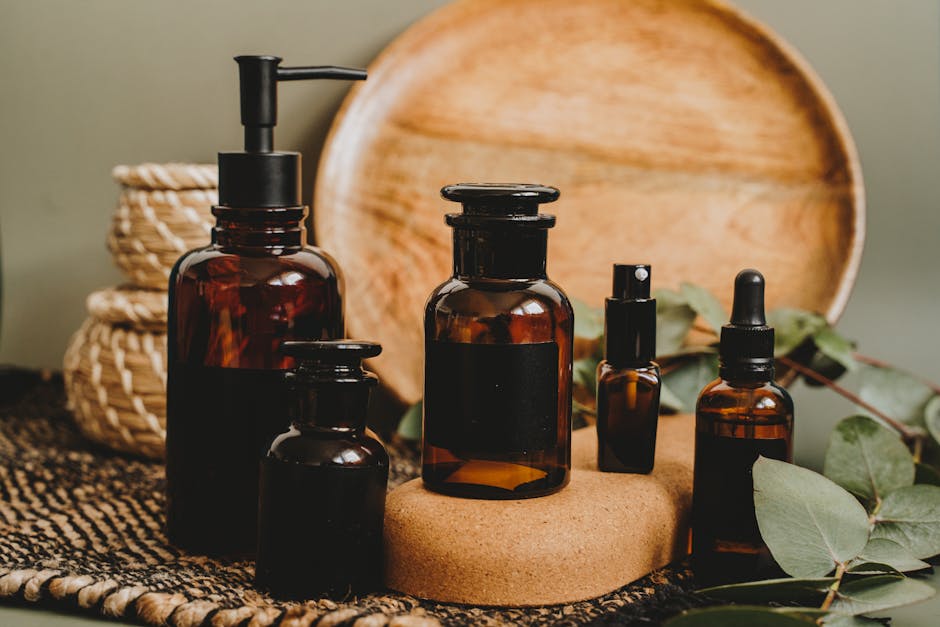
Fresh Herb Keepers vs. Dried Spice Jars
The storage requirements for fresh versus dried herbs are almost opposites. Fresh herbs are living (or recently cut) plants that need to breathe and stay hydrated. Dried herbs are preserved and need to stay bone-dry and sealed.
Fresh Herb Keepers These are specialized tools designed to act like a vase for your fridge. They typically feature:
- Hydration: A water reservoir at the base where the stems sit.
- Ventilation: Air vents that allow the plant to “breathe” without drying out completely.
- Support: Internal baskets or dividers that keep stems upright so they don’t sit in a mushy pile.
Dried Spice Jars These focus on isolation. They are usually smaller, ranging from 1.5oz to 4oz for daily use, or up to 16oz for bulk storage. The goal here is a perfect seal.
| Feature | Fresh Herb Keeper | Dried Spice Jar |
|---|---|---|
| Primary Goal | Hydration & Respiration | Air & Moisture Exclusion |
| Material | Often BPA-free plastic or glass | Glass, ceramic, or tin |
| Storage Location | Refrigerator or countertop | Cool, dark pantry or drawer |
| Lifespan Extension | Up to 3 weeks | 6 months to 1 year |
Material Matters: Glass, Ceramic, and Bamboo
The material of your herb containers for kitchen use dictates both safety and longevity.
- Glass: This is the gold standard. High-quality sodalime glass is non-porous, meaning it won’t absorb odors or stains from pungent spices like turmeric or cumin. It’s also incredibly durable and easy to clean. Many eco-conscious brands now offer containers made from 100% recycled glass, which is a fantastic way to support sustainability while keeping your kitchen organized.
- Ceramic: Ceramic is excellent for countertop storage because it is naturally opaque, providing 100% UV protection. It’s also a breathable material, which can be beneficial for certain “potted” herb setups.
- Bamboo: Often used for lids, bamboo is a renewable resource that brings a warm, organic aesthetic to the kitchen. When paired with a silicone ring, bamboo lids provide a surprisingly effective airtight seal. However, bamboo itself isn’t great for the body of the container if you’re storing liquids or very moist items, as it can be prone to mold if not dried properly.
If you are transitioning from store-bought plastic to more permanent containers, you might consider planting herbs in kitchen windows to have a constant supply of fresh greens that match your new aesthetic.
Top Styles for Organizing Your Kitchen Herb Containers
Organization isn’t just about neatness; it’s about visibility. If you can’t see your herbs, you won’t use them. We’ve seen a massive shift toward uniform storage systems that make “taking stock” of your pantry a five-second task.
One of the most popular trends is the vertical hanging herb display. These are perfect for small kitchens where counter space is at a premium. By using wall-mounted racks or hanging planters, you keep your fresh herbs at eye level and within arm’s reach of the stove. For more on this, check out vertical herb gardening indoors.
Ceramic boxes and modular sets are also gaining traction. These often feature a “clean” look that hides the visual clutter of different-colored spices while keeping them organized in a stackable format. Stackable jars are a lifesaver for those with deep cabinets, allowing you to utilize the vertical space that usually goes to waste.
Innovative Features in Modern Herb Containers for Kitchen Use
The days of simple glass jars are evolving. Today’s herb containers for kitchen success include some impressive tech:
- Self-Watering Systems: Products like the Cole & Mason Burwell Self-Watering Single Potted Herb Keeper use hydro felt pads. These pads draw water from a reservoir directly to the plant’s roots, mimicking natural hydration. This means you only have to top up the water every week or so, rather than daily.
- Water Level Windows: Many fresh keepers, like the Cole & Mason Tealby Cut Herb Keeper, feature a small window at the base. This allows you to see exactly how much water is left without opening the container and letting out the cool air.
- Removable Dividers: These allow you to store multiple types of herbs (like parsley, cilantro, and mint) in one container without them getting tangled or cross-contaminating flavors.
- Airtight Silicone Seals: Found in products like the Herb ProKeeper | Progressive International, these seals are essential for keeping moisture out of dried herbs.
Specialized Storage for Bulk and Daily Use
We often recommend a “two-tier” storage system.
- Daily Use: Small 4oz jars with shaker lids for the spices you use every day (salt, pepper, garlic powder, dried basil). Shaker lids make it easy to season on the fly, though we always suggest using a spoon for precision.
- Bulk Storage: Larger 16oz bottles or jars for the “refills.”
When filling these containers, accessories like funnels are non-negotiable to prevent mess. Labeling systems are also a must. Whether you use pre-printed minimalist labels or a chalk pen, knowing exactly what is in the jar prevents the “is this cumin or cinnamon?” disaster.
If you are interested in starting your herbs from scratch to fill these containers, you can learn more about container planting for herbs to get your garden growing.
Best Practices for Herb Storage and Maintenance
Even the best herb containers for kitchen use won’t help if they aren’t maintained correctly. Here are our top tips for keeping your herbs in peak condition:
- Avoid the “Steam Bath”: Never hold your spice jar directly over a steaming pot of boiling water. The steam enters the jar, creates condensation, and leads to mold or clumping. Instead, shake the spice into a spoon or your hand away from the stove, then add it to the pot.
- Temperature Control: Store your herbs away from heat sources like the oven or dishwasher. Heat accelerates the loss of essential oils. A cool, dry pantry is ideal.
- Light Sensitivity: If you use clear glass jars, try to store them inside a drawer or cabinet. If they must be on the counter, choose amber glass or ceramic.
- Cleaning: For glass jars, most are dishwasher safe (remove labels first!). However, for lids made of bamboo or metal, hand washing is best. The Kilner® Herb Keeper Set is a great example of mixed-material care: the glass is dishwasher safe, but the metal lid should be dried immediately after hand washing to prevent rust.
For a deeper dive into setting up your space correctly, see our indoor herb garden setup tips.
Frequently Asked Questions about Herb Storage
How do I keep fresh herbs from wilting in the fridge?
Hydration and verticality are the secrets. Trim about half an inch off the stems (just like flowers) and place them in a container with an inch of filtered water. Use a keeper with air vents to allow for gas exchange. We’ve found that this can extend the life of herbs like cilantro and parsley for up to 10-21 days, compared to just a few days in a plastic bag.
Are glass or plastic containers better for dried herbs?
We strongly advocate for glass. Glass is non-porous, BPA-free, and doesn’t absorb odors. Plastic can sometimes leach chemicals or retain the smell of the previous spice stored in it. Furthermore, glass is more sustainable and often made from natural ingredients like sand and soda ash.
How often should I clean my herb containers?
You should clean your containers every time you refill them. This prevents old, dusty residue from contaminating the fresh batch. Ensure the container is completely dry before adding new dried herbs; even a single drop of water can cause a whole jar of spice to mold.
Conclusion
At FinCapitaly, we believe that a well-organized kitchen is the heart of a sustainable home. Choosing the right herb containers for kitchen use isn’t just about aesthetics; it’s a commitment to zero-waste practices and culinary excellence. By investing in high-quality glass, ceramic, or self-watering tools, you reduce food waste and ensure that every meal you cook is bursting with flavor.
Whether you are looking for a ZWILLING Ceramic Storage jar for your countertop or browsing Herbs Storage on Amazon.com for a complete pantry overhaul, the right tools are out there.
Ready to level up your indoor gardening game? Explore more about indoor tools to find everything you need for a thriving, organized kitchen.
