
Why Your Herbs Are Dying Indoors (And What Actually Fixes It)
An indoor herb garden with grow lights is the simplest way to keep basil, mint, and parsley alive year-round — no sunny windowsill required.
Here’s a quick snapshot of what you need to know:
| Question | Quick Answer |
|---|---|
| Do I need natural sunlight? | No — LED grow lights are fully sufficient |
| Best light color temperature | 6000K–6500K for most herbs |
| How long should lights run daily? | 14–16 hours for most herbs |
| Fastest herb to grow indoors | Basil (harvestable in as little as 3 weeks) |
| Easiest system for beginners | Pre-seeded pod systems (hydroponic) |
| Rough monthly electricity cost | As low as $1–2/month for small units |
If you’ve ever watched a pot of basil slowly yellow and collapse on your kitchen counter, you’re not alone. Most home cooks make the same mistake — they assume a spot near a window is enough. It rarely is, especially in winter.
The good news? Modern grow lights have changed everything.
LED technology now makes it possible to grow a thriving herb garden in a completely windowless room. Systems like pod-based hydroponic gardens can germinate basil in as little as one week and have it harvest-ready in three. And many units run on less electricity than a phone charger.
The tricky part is knowing which setup actually works for your space, your budget, and the herbs you actually cook with.
That’s exactly what this guide covers.
How an Indoor Herb Garden with Grow Lights Works
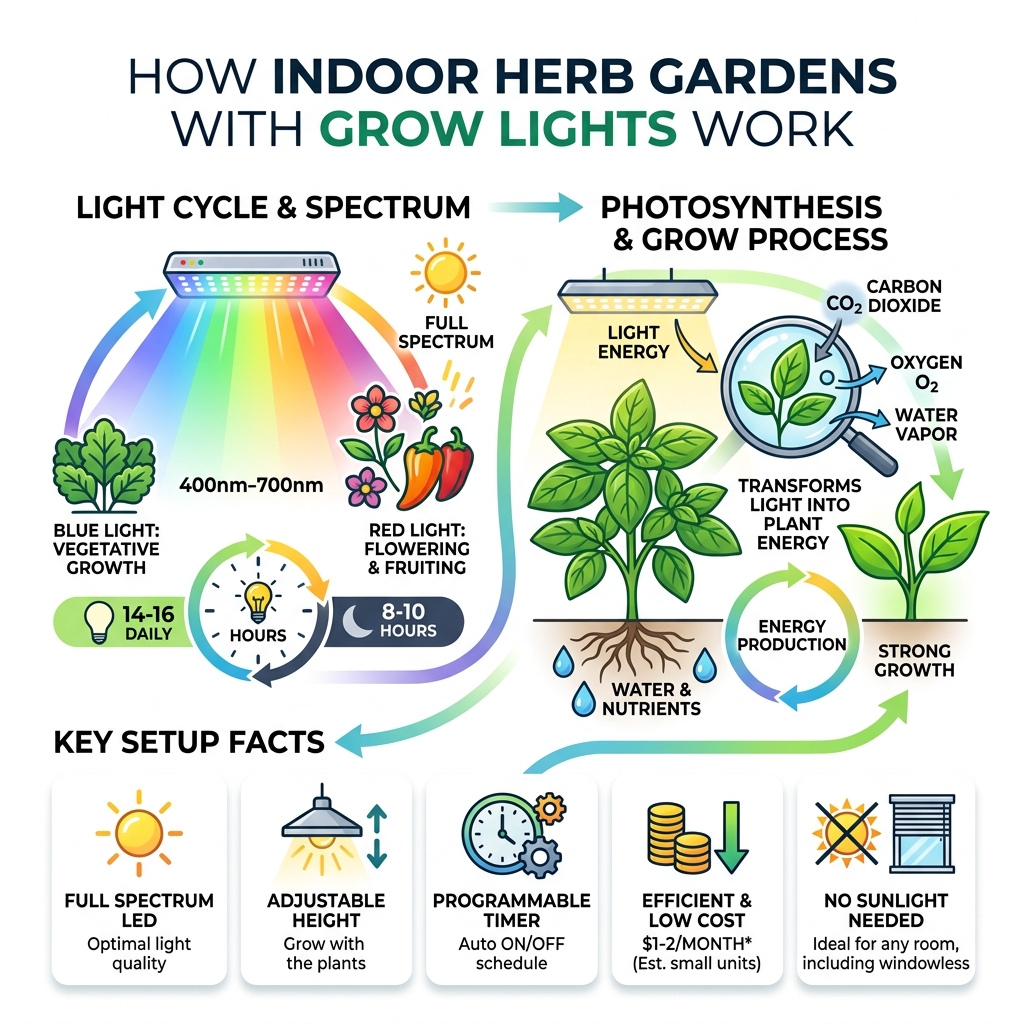
At its core, an indoor herb garden with grow lights is a controlled ecosystem designed to mimic the sun’s most productive rays. While traditional gardening relies on the unpredictable weather and the angle of the earth, these indoor systems use high-efficiency LED technology to provide a steady “diet” of light to your plants.
LED Technology and Full-Spectrum Light
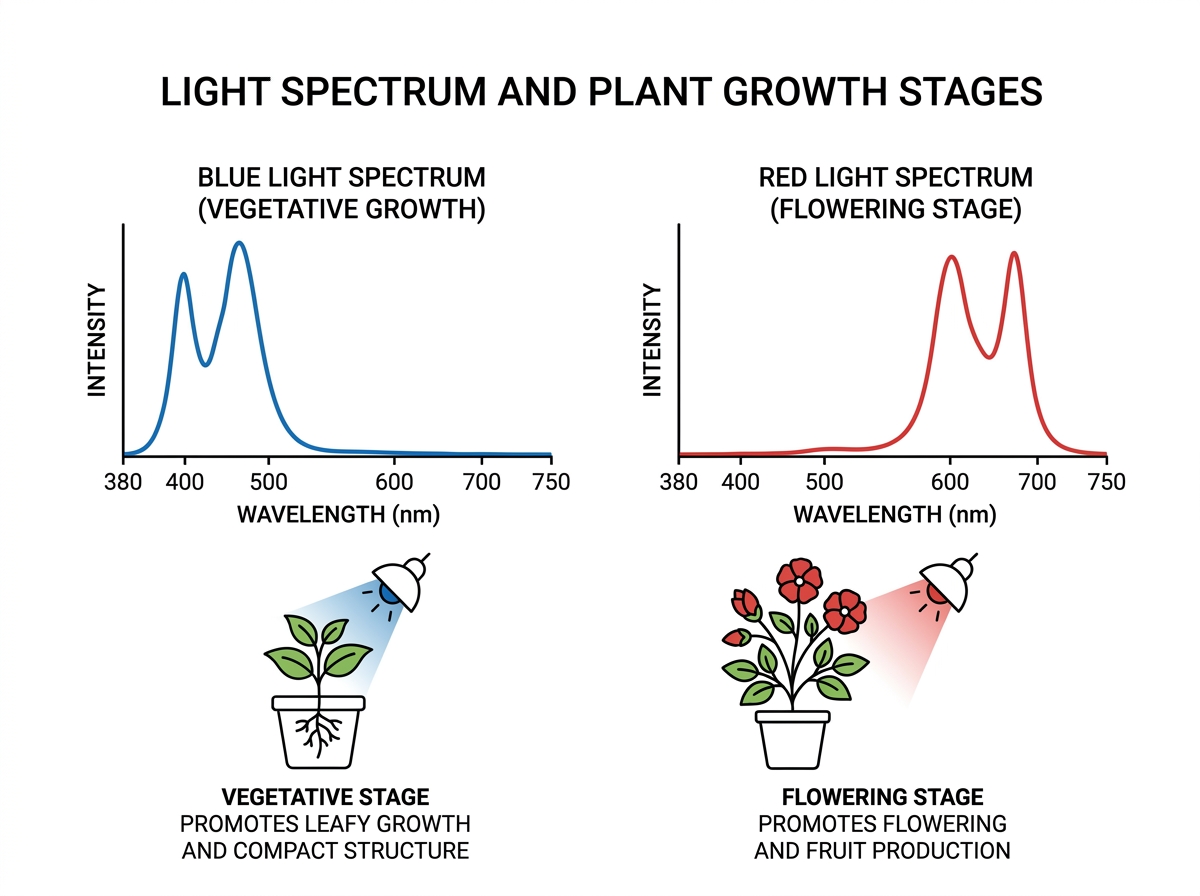
Modern systems utilize full-spectrum LEDs. This technology, which has been extensively studied by NASA for growing food in space, allows plants to receive the exact light they need. Unlike the old-school incandescent bulbs that mostly produced heat, or fluorescent tubes that flickered, LEDs are engineered to emit specific wavelengths. For herbs to thrive, they need a balance of blue light (for leafy, compact growth) and red light (for root development and flowering). High-quality systems often look like a crisp white light to our eyes, but they are actually packing a punch of “PAR” (Photosynthetically Active Radiation)—the specific light energy plants use for fuel.
Photosynthesis and Energy Efficiency
Photosynthesis is the process where plants turn light, water, and CO2 into energy. In an indoor setting, the grow light acts as the primary engine for this process. One of the biggest breakthroughs in recent years is energy efficiency. Small 3-pod or 6-pod units often pull only 15 to 30 watts of power. To put that in perspective, running a 12-pod unit for 16 hours a day might only add about $1.44 to your monthly electricity bill.
Light Cycles and Automated Timers
Plants, like humans, need a “circadian rhythm.” They can’t handle 24 hours of light; they need a dark period to process the energy they gathered during the day. Most indoor herb garden with grow lights models come with built-in automated timers. These typically follow a 16-hour “on” and 8-hour “off” cycle. This automation is a lifesaver for those of us who forget to flick the switch.
For a deeper dive into the technical side of these systems, check out our detailed guide on grow lights for indoor herbs.
Heat Dissipation
One often overlooked feature of LED systems is heat management. While they are much cooler than traditional bulbs, they still generate some heat at the panel. Quality units use aluminum housings or heat sinks to dissipate this warmth, ensuring the delicate leaves of your cilantro or dill don’t get “toasted” if they grow too close to the light source.
Benefits of an Automated Indoor Herb Garden with Grow Lights
- Year-Round Harvest: You no longer have to wait for spring. You can harvest fresh Genovese basil for pesto in the dead of January.
- Space-Saving: Many units are designed for kitchen countertops, with footprints as small as 10 inches wide.
- Consistent Growth: Because the light intensity never changes (unlike the sun on a cloudy day), plants grow up to 5 times faster than they would in traditional soil.
- Enhanced Plant Vitality: The controlled environment prevents many common outdoor pests and diseases, leading to healthier, more vibrant greens.
- Flavor Enhancement: Fresh-from-the-plant herbs retain their essential oils and nutrients, providing a much stronger flavor profile than store-bought varieties that have been sitting in plastic for days.
Choosing the Best Light Spectrum and Intensity
When you’re shopping for an indoor herb garden with grow lights, you’ll see a lot of technical jargon. Don’t let it intimidate you. Here is the breakdown of what actually matters for your kitchen greens.
Color Temperature: The 6000k-6500k Sweet Spot
Light “temperature” is measured in Kelvins (K). For herbs, which are primarily grown for their leaves, you want light that leans toward the “cool” or blue end of the spectrum. Lights rated between 6000K and 6500K mimic high-noon sunlight. This prevents your plants from becoming “leggy”—that sad state where a plant grows tall and skinny as it desperately reaches for a light source it can’t find.
T-5 Bulbs vs. LEDs
If you are building a DIY setup, you might encounter T-5 fluorescent bulbs. These are high-intensity, full-spectrum tubes that have been a staple for years. However, most modern “smart” gardens have moved to LEDs because they last longer (often 50,000+ hours) and use significantly less power.
PAR Values and Wattage Requirements
Wattage tells you how much electricity the light uses, but PAR (Photosynthetically Active Radiation) tells you how much “food” the plant is getting. A good countertop unit usually ranges from 15W for small 3-pod systems to 60W for professional-grade floor models. If you are growing high-light plants like cherry tomatoes or peppers alongside your herbs, you’ll want a unit with at least 30W to 40W of power to ensure the fruit ripens properly.
Considerations for Different Herb Types
Not all herbs are created equal.
- High-Light Lovers: Basil, rosemary, and thyme crave intensity. They should be positioned directly under the center of the light panel.
- Moderate-Light Herbs: Mint, parsley, and chives are a bit more forgiving and can handle being toward the edges of the light spread.
Light Distance
The “Inverse Square Law” is a fancy way of saying that light intensity drops off quickly as you move away from the bulb. For most LED desk setups, the light should be positioned 6 to 12 inches above the plant. As your herbs grow, you need a system that allows you to adjust the height—otherwise, the top leaves will burn while the bottom leaves starve.
Hydroponic vs. Soil-Based Indoor Herb Garden with Grow Lights
One of the biggest decisions you’ll face is whether to go with a “dirt-free” hydroponic system or a traditional soil-based setup. Both have their place in the kitchen.
| Feature | Hydroponic Systems | Soil-Based Systems |
|---|---|---|
| Growth Speed | Up to 5x faster | Standard growth rate |
| Mess Factor | Very low (no dirt spills) | Moderate (soil can be messy) |
| Maintenance | Refill water/nutrients every 1-2 weeks | Daily to weekly watering checks |
| Nutrient Delivery | Direct to roots via water | Absorbed through soil |
| Learning Curve | Low (usually automated) | Moderate (requires “green thumb”) |
| Portability | High (self-contained) | Varies by pot size |
Nutrient-Rich Water and Root Aeration
Hydroponic systems replace soil with a nutrient-rich water solution. The roots often sit in a medium like rockwool or coco coir, which provides structure without the mess of dirt. These systems are designed for maximum root aeration; because the water is often circulated or oxygenated by a pump, the roots don’t “drown” as they might in overwatered soil.
For more information on the specific light requirements for these different mediums, see our article on grow lights for indoor herbs 2.
Growth Speed and Yield
Because the plant doesn’t have to “search” for nutrients in the soil, it can put all its energy into growing leaves. This is why a hydroponic indoor herb garden with grow lights can produce a harvestable basil plant in just three weeks. If you are a high-volume cook who uses a lot of cilantro or parsley, hydroponics is usually the better choice for sheer yield.
Setting Up Your First Indoor Herb Garden with Grow Lights
Setting up a modern smart garden is surprisingly fast—often taking less than five minutes.
- Assembly: Most units come in two or three pieces. You snap the light hood into the base.
- Pod Placement: Drop in your pre-seeded pods. These usually contain a growth medium and the seeds already tucked inside.
- Water and Feed: Fill the reservoir to the “max” line and add the recommended amount of liquid plant food.
- Plug and Play: Once plugged in, the light cycle usually starts immediately.
- Germination Domes: Place the clear plastic domes over the pods. These act like mini-greenhouses, trapping moisture and heat to help the seeds “wake up.”
Essential Features for a Successful Setup
If you’re looking to invest in a system that lasts, certain features are “must-haves” rather than “nice-to-haves.”
Adjustable Height and Telescopic Arms
This is the most critical mechanical feature. Herbs like dill and basil can grow quite tall (up to 24 inches in some models). If your light is fixed at a low height, your plants will eventually hit the LEDs and burn. Look for units with telescopic arms that can grow along with your plants.
Vacation Mode
We’ve all been there—you go away for a long weekend and come home to a withered forest. Many high-end indoor herb garden with grow lights models feature a “Vacation Mode.” This setting reduces the light hours and water consumption, slowing down the plant’s metabolism so it survives longer while you’re away.
Water Level Sensors and Reminders
A common mistake is letting the reservoir run dry. Smart systems feature sensors that will flash a light or beep when the water level is low. Some even connect to your phone via an app to send you a notification.
To learn more about the latest smart features, visit our resource on grow lights for indoor herbs 3.
App Integration and Smart Controls
While not strictly necessary for growth, app integration can be very helpful for beginners. These apps often provide:
- Planting Guides: Tells you exactly when to expect sprouts.
- Pruning Tips: Shows you where to cut your basil to encourage bushier growth.
- Custom Light Schedules: Allows you to dim the lights or change the “on” time so the bright LEDs don’t disturb your sleep.
Maintenance, Harvesting, and Common Mistakes
Even with the best indoor herb garden with grow lights, a little bit of human intervention goes a long way.
Pruning Techniques
The biggest mistake beginners make is being “too nice” to their plants. If you don’t prune your herbs, they will grow straight up, become spindly, and eventually die out. For herbs like basil and mint, you should pinch off the top set of leaves once the plant is about 6 inches tall. This forces the plant to branch out, creating a bushier, more productive herb.
Algae Prevention and Cleaning
Since these systems involve light and nutrient-rich water, algae can occasionally become an uninvited guest. To prevent this:
- Keep Pods Covered: Ensure the stickers or covers on your pods are intact so light doesn’t hit the damp growth medium directly.
- Monthly Cleaning: Every few months (or between plantings), give the water reservoir a good scrub. Many modern reservoirs are even dishwasher safe!
Nutrient Schedules
Most systems require liquid nutrients every two weeks. Don’t overfeed! Adding too much plant food can actually “burn” the roots and kill the plant. Stick to the measurements provided by the manufacturer.
Germination Timelines
Patience is key. While basil might sprout in 5 to 7 days, “woody” herbs like rosemary or thyme can take 14 to 21 days just to show a tiny bit of green. Don’t give up on a pod too early!
Common Mistakes to Avoid
- Leggy Growth: This happens when the light is too far away. Keep the panel close to the sprouts.
- Fast-Growers Shading Slow-Growers: If your lettuce is taking over the unit, it might be blocking the light for your smaller thyme plant. Keep the “bullies” pruned back.
- Ignoring the Roots: Occasionally check the reservoir. If the roots are tangling in the pump, give them a light trim.
Frequently Asked Questions about Indoor Herb Lighting
Do indoor herbs need natural sunlight if I use grow lights?
No. In fact, many professional-grade indoor gardens perform better away from windows. Natural sunlight can be inconsistent and can lead to overheating if the sun hits the water reservoir directly, encouraging algae growth. A high-quality full-spectrum LED provides everything the plant needs.
How many hours a day should I leave my grow lights on?
For most herbs, 14 to 16 hours is the “sweet spot.” This mimics a long summer day, which signals to the plant that it should grow as fast as possible. Most automated systems are preset to this 16-hour cycle.
What are the easiest herbs to grow indoors for beginners?
If you’re just starting out, we recommend the “Big Three”:
- Basil: Virtually foolproof and grows incredibly fast.
- Mint: Very hardy and loves the consistent moisture of hydroponic systems.
- Dill: Germinates quickly and adds a beautiful aesthetic to your kitchen.
Conclusion
At FinCapitaly, we believe that sustainable living starts in the heart of the home—the kitchen. Investing in an indoor herb garden with grow lights isn’t just about saving money on grocery bills (though saving $300+ a year on fresh herbs is a nice perk!); it’s about kitchen efficiency and the undeniable flavor boost that only fresh-picked greens can provide.
Whether you are looking to survive the winter blues with a bit of greenery or you want to elevate your cooking to a professional level, an indoor garden is a “set-and-forget” solution that brings the garden to you.
Ready to transform your countertop into a year-round farm? Start your indoor garden journey today and discover how easy it is to grow fresh, vibrant herbs regardless of the season.
