
Why Every Home Cook Needs to Master Basil Seeds Planting Instructions
Basil seeds planting instructions are simpler than most people think — and following the right steps means you can grow fresh, fragrant basil at home, even in a small space.
Here’s a quick overview to get you started right away:
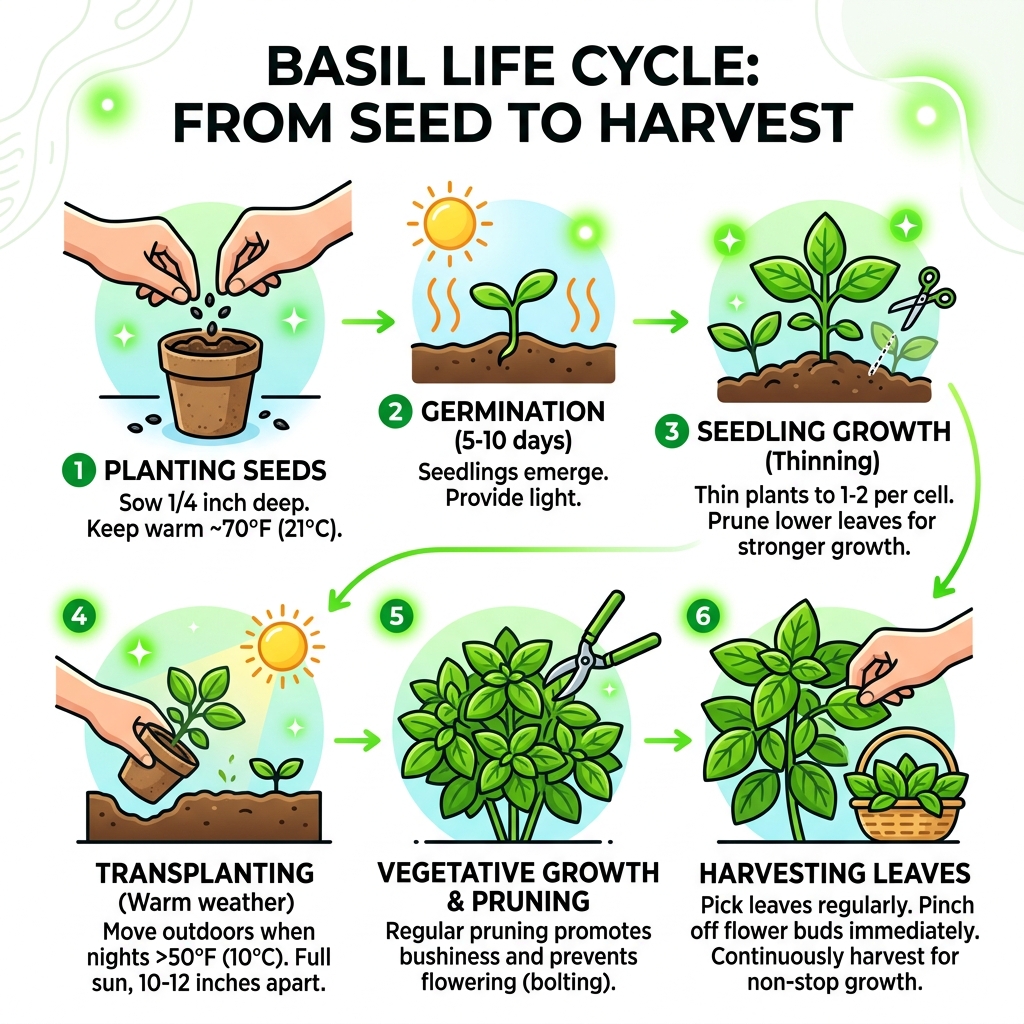
- Start indoors 6-8 weeks before your last frost date
- Fill trays with moist seed-starting mix
- Sow seeds 1/4 inch deep, 2-3 seeds per cell
- Keep warm at around 70°F (21°C) for best germination
- Expect sprouts in 5-10 days
- Thin seedlings once they reach about 1 inch tall
- Transplant outdoors after frost risk passes and nights stay above 50°F (10°C)
- Space plants 10-12 inches apart in full sun Basil is one of the most popular culinary herbs in the world. It’s the backbone of pesto, a natural partner for tomatoes, and a staple in everything from Italian to Thai cooking. It’s also packed with vitamin K, manganese, and antioxidants.
The challenge? Basil is fussy about temperature. It hates cold. It hates drought. And if you don’t prune it correctly, it bolts — meaning it flowers fast and stops producing the tender, flavorful leaves you actually want.
The good news: once you understand the basics, basil is surprisingly easy and rewarding to grow. And with the right succession planting strategy, you can have a continuous, non-stop supply from spring all the way through fall.
Essential Basil Seeds Planting Instructions for Indoor Success
Starting your herb journey indoors is the most reliable way to ensure a bountiful harvest. Because basil is a tropical native, it craves warmth and light that early spring weather simply cannot provide. By following our basil seeds planting instructions for indoor starts, you give your plants a six-to-eight-week head start, ensuring they are robust enough to handle the transition to the garden.
When we prepare our indoor setup, we avoid using heavy garden soil. Instead, we opt for a fresh, moistened seed-starting mix or peat-free compost. Garden soil is often too dense for tiny roots and may harbor pests or diseases that cause “damping off”—a fungal condition that can kill seedlings overnight.
To begin, fill your biodegradable seed-starting trays or pots, leaving about a quarter-inch of space at the top. This gap makes watering easier and prevents soil from washing away. Plant your seeds approximately 1/4 inch deep. A good rule of thumb is to plant a seed twice as deep as it is wide. We recommend placing 2-3 seeds per cell to account for varying germination rates. If you are interested in more details on this phase, check out our guide on Starting Herbs From Seeds Indoors.
After sowing, we suggest “bottom watering.” Place your trays in a shallow basin of water and allow the moisture to wick upward. This prevents the tiny seeds from being displaced by a heavy stream of water from above.
Optimizing Germination with Basil Seeds Planting Instructions
The “secret sauce” to fast germination is heat. While basil seeds can sprout in cooler soil, they truly thrive when the temperature is maintained at a steady 70°F (21°C). In fact, under optimal warm conditions, you might see green sprouts in as little as 5 to 7 days, though 10 to 14 days is also common.
To speed things up, we often use heat mats specifically designed for seedlings. These mats provide consistent bottom heat that mimics a warm summer day. Covering your trays with humidity domes or a loose layer of plastic wrap helps lock in moisture, creating a miniature greenhouse effect. Once the first green loops emerge from the soil, remove the covers immediately to allow for air circulation. For more on the right environment, read about Soil And Fertilizer For Indoor Herbs.
Caring for Seedlings and Thinning
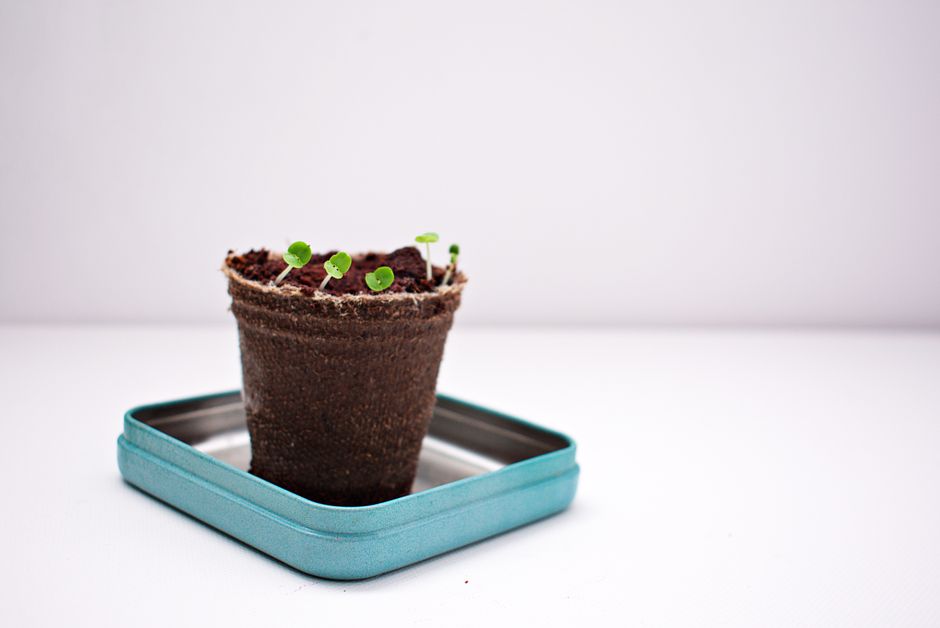
As your basil grows, you will notice two distinct types of leaves. The first to appear are the “cotyledons” or seed leaves, which look like thick, shiny green D-shapes. The next set to emerge are the “true leaves,” which possess the characteristic jagged edges and aromatic scent of basil.
Light is the most critical factor at this stage. If you are growing on a windowsill, rotate your pots a quarter-turn every few days to prevent “legginess,” where plants stretch toward the light and become weak. However, for the best results, we recommend using Grow Lights For Indoor Herbs. Keep the lights on for 14-16 hours a day, positioned just 2 to 6 inches above the tops of the plants.
Once your seedlings reach about an inch in height, it is time for the hardest part: thinning. We choose the strongest-looking seedling in each cell and snip the others at the soil line with scissors. This ensures the remaining plant doesn’t have to compete for nutrients and light. To prevent fungal issues, keep a small fan nearby to ensure gentle air circulation, which strengthens the stems and prevents stagnant moisture.
Moving Outdoors: Hardening Off and Transplanting
You wouldn’t want to be moved from a cozy 70°F living room directly into a breezy backyard, and neither does your basil. The transition must be gradual. This process, known as “hardening off,” typically takes 7-10 days.
Wait until the danger of frost has completely passed and nighttime temperatures consistently stay above 50°F (10°C). We start by placing our seedlings in a sheltered, shady spot for just two hours on the first day. Each day, we gradually increase their exposure to direct sunlight and wind. If a cold snap is predicted, bring them back inside immediately. For more transition strategies, see our Planting Tips.
Outdoor Spacing and Basil Seeds Planting Instructions
When it comes time to plant, location is everything. Basil needs at least 6 to 8 hours of full sun every day to develop its essential oils (which give it that amazing flavor). The soil should be well-drained and moderately fertile, with a pH between 6.0 and 7.5.
Proper spacing is vital for air circulation, which helps prevent diseases like downy mildew. We space our plants 10-12 inches apart. If you are planting in rows, keep the rows 18-24 inches apart. If you’re short on space, basil is a fantastic candidate for Container Planting For Herbs. Just ensure your pot is at least 8 inches deep and has excellent drainage.
Choosing the Right Varieties for Your Climate
Not all basil is created equal! Depending on your culinary goals and your local weather, you might choose different varieties:
- Genovese: The classic Italian large-leaf basil. Best for pesto.
- Thai Basil: Features purple stems and a licorice-like flavor. It stands up better to high heat than sweet basil.
- Lemon/Lime Basil: Offers a distinct citrus scent, perfect for fish or salads.
- Purple Opal: A stunning deep purple variety that looks beautiful in the garden and in herbal vinegars.
- Holy Basil (Tulsi): Often grown for tea and medicinal purposes; it requires slightly more light for germination.
For beginners, we have a curated list of Easy Herb Seeds For Beginners that includes the most resilient basil types.
The Secret to a Non-Stop Harvest: Succession Planting and Pruning
Most gardeners plant all their basil at once, harvest it all for one big batch of pesto, and then find themselves with a bare garden in August. The secret to a “flavor factory” that lasts all season is succession planting.
We recommend sowing a new batch of seeds every 2 to 3 weeks. This ensures that as your older plants begin to reach the end of their life cycle or start to bolt, you have young, vigorous plants ready to take their place.
Pruning is equally important. When your plant is about 6 inches tall and has three sets of leaves, pinch off the top central stem just above a “node” (the point where leaves emerge). This forces the plant to branch out, creating two new stems where there was once only one. The more you harvest, the bushier the plant becomes! Always remove any flower buds as soon as they appear, as flowering makes the leaves taste bitter and woody. For indoor-specific pruning, check out Indoor Basil Growing.
Troubleshooting Pests, Diseases, and Preservation
Even with the best basil seeds planting instructions, nature can throw a curveball. The most common enemies are aphids, slugs, and downy mildew. We find that a thick layer of organic mulch, such as grass clippings or compost, helps keep the soil moist and prevents soil-borne diseases from splashing onto the leaves during rain.
If you find yourself with more basil than you can eat fresh, preservation is key. Drying basil often results in a loss of flavor and a brown color. Freezing is almost always the superior choice.
| Method | Best For | Flavor Retention |
|---|---|---|
| Drying | Long-term pantry storage | Low (leaves can turn bitter) |
| Freezing (Whole) | Soups and sauces | High |
| Pesto (Frozen) | Pasta, sandwiches, dips | Very High |
| Ice Cube Trays | Blending with oil/water | High (great for portions) |
For more tips on keeping your garden low-stress, visit our guide on Low Maintenance Indoor Herb Planting.
Frequently Asked Questions about Basil Planting
How long does it take for basil seeds to germinate?
Typically, basil seeds germinate in 5-14 days. However, if you use a heat mat to keep the soil at an optimal 70°F to 75°F, you may see sprouts in as little as 3 to 5 days. Maintaining consistent moisture is key—the soil should feel like a wrung-out sponge, never soaking wet or bone dry.
Can I grow basil indoors year-round?
Absolutely! The trick to indoor success is light. A south-facing window is best, but even then, winter sun is often too weak. Supplementing with a grow light for at least 6-8 hours a day will keep your basil productive through the winter. For setup ideas, see our Indoor Herb Garden Setup Tips.
Why is my basil flowering so early?
This is called “bolting.” It usually happens because of heat stress or because the plant feels it has reached the end of its life cycle. To prevent this, prune your basil every week and ensure it stays well-watered. Once a plant flowers, the energy shifts from leaf production to seed production, changing the flavor of the leaves.
Conclusion
Mastering basil seeds planting instructions is your ticket to a more flavorful kitchen and a more vibrant garden. By starting indoors, hardening off carefully, and utilizing succession planting, you can enjoy the aromatic luxury of fresh basil for months on end.
At FinCapitaly, we believe that sustainable gardening starts with simple, actionable steps. Whether you are growing in a sprawling backyard or a sunny kitchen window, the joy of harvesting your own herbs is unmatched. Ready to get your hands dirty? Start your herb garden today and transform your home into a flavor factory!
