
Why Growing Basil Hydroponically Is a Game-Changer for Home Cooks
Basil seeds for hydroponics are one of the fastest and most rewarding ways to grow fresh herbs indoors — no garden, no soil, no seasonal limits required.
Here are the top picks at a glance:
- Genovese Basil – Classic Italian flavor, ready in ~68 days
- Newton Basil – Fusarium-resistant, fast-growing, uniform plants
- Italian Large Leaf Organic – High yield, sweet-spicy flavor
- Red Rubin Purple Basil – Stunning color, great as microgreens
- Thai Basil – Spicy, clove-forward flavor with edible flowers
Basil is one of the most popular herbs for hydroponic growing — and for good reason. It grows fast (as little as 28 days under ideal conditions), produces high yields in a small footprint, and delivers far fresher flavor than anything sitting on a grocery store shelf for a week.
The challenge? Not all basil seeds perform equally in a hydroponic setup. The wrong variety — or poor-quality seeds — can mean slow germination, disease problems, or leggy, flavorless plants.
This guide cuts through the noise so you can pick the right seeds and start harvesting quickly.
How to Choose the Best Basil Seeds for Hydroponics
When we look for the perfect basil seeds for hydroponics, we aren’t just looking for a pretty picture on a packet. Hydroponic systems are highly controlled environments, and the seeds you choose need to be “hydroponic performers.”
Germination Rate and Seed Quality
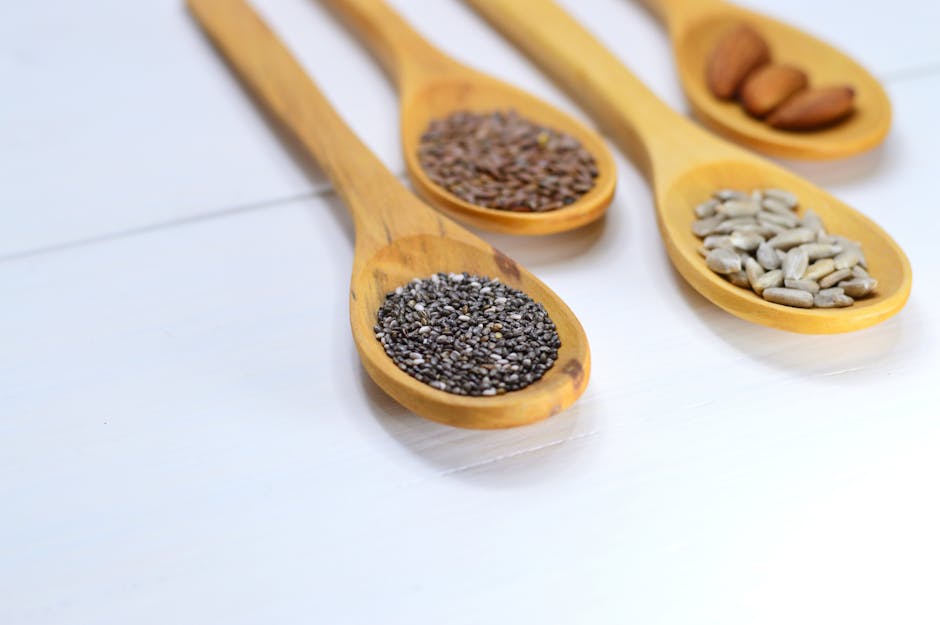
The first thing to check is the germination rate. High-quality seeds usually boast a rate of 85% or higher. In a hydroponic system, where every “grow spot” or pod is valuable real estate, you don’t want to waste two weeks waiting for a seed that was never going to sprout. Look for seeds sourced from reputable suppliers that explicitly mention suitability for indoor or soilless growing.
Non-GMO, Heirloom, and Organic
Many of us grow our own food to avoid pesticides and genetic modification. Fortunately, most top-tier basil seeds for hydroponics are Non-GMO and Heirloom varieties. If you want the gold standard, look for USDA Organic certification. This ensures the seeds were produced following strict organic standards, which is a great starting point for Starting Herbs From Seeds Indoors.
Disease Resistance: The Hidden Key
In the humid, nutrient-rich environment of a hydroponic garden, certain diseases can spread quickly. We recommend looking for varieties with specific resistances:
- Fusarium Wilt: A soil-borne fungus that can still find its way into indoor systems. You can read more about the pathology of Fusarium wilt to understand its impact.
- Downy Mildew: A common basil plague that causes yellowing leaves and grey fuzz.
Choosing resistant varieties like “Newton” or the “Prospera” series can save your entire harvest from a sudden collapse. For more on the basics of water-based gardening, check out our guide on Planting Herbs Without Soil.
Top 5 Basil Seeds for Hydroponics
To help you decide, we’ve put together a comparison of the best performers based on yield trials and hydroponic suitability.
| Variety | Days to Maturity | Primary Flavor | Key Feature |
|---|---|---|---|
| Genovese | 68 Days | Sweet, Peppery | Classic Pesto Choice |
| Newton | 74 Days | Traditional (No Anise) | Fusarium Resistant |
| Italian Large Leaf | 70-75 Days | Sweet & Spicy | High Yielding |
| Red Rubin | 16-25 (Micro) | Sweet-Spicy | Deep Purple Color |
| Thai Basil | 60-70 Days | Clove & Cinnamon | Spicy Kick |
Selecting the right variety is the first step toward a lush indoor garden. For a deeper dive into commercial-grade advice, see our Hydroponic Basil Guide | Choosing Varieties & Production Advice.
1. Genovese Basil Seeds for Hydroponics
If you close your eyes and think of basil, you’re smelling Genovese. This is the “gold standard” for Italian cuisine. Known for its iconic spoon-shaped leaves and a flavor profile that balances sweetness with hints of mint and clove, it is the essential ingredient for authentic pesto.
While it is a classic, keep in mind that traditional Genovese can sometimes grow a bit unevenly in a highly structured hydroponic system. However, its flavor is so superior that most home chefs consider it a must-grow. It typically takes about 68 days to reach full maturity, but you can start “snip-harvesting” leaves much earlier.
Ready to start your pesto journey? Find Genovese Basil Seeds Here and learn more about Indoor Basil Growing.
2. Newton (Fusarium-Resistant) Basil Seeds for Hydroponics
Newton is a “modern” basil that was specifically bred to solve the problems of the classics. If you’ve ever had a basil plant suddenly wilt and die for no apparent reason, it was likely Fusarium. Newton offers intermediate resistance to this devastating wilt.
What makes Newton a favorite for basil seeds for hydroponics is its uniformity. It grows into a sturdy, 24-30 inch plant that looks beautiful in vertical systems. Flavor-wise, it provides a classic basil taste but leaves out the heavy “anise” or licorice notes that some people find off-putting in other varieties.
You can Find Newton Basil Seeds Here to ensure a hardy crop. Don’t forget to pair them with the right nutrients using our Indoor Herb Fertilizer Guide.
3. Italian Large Leaf Organic
If you want the biggest “bang for your buck” in terms of leaf volume, the Italian Large Leaf is your best bet. These plants produce massive, rugose (wrinkled) leaves that are much larger than the Genovese variety.
Because the leaves are so large and the plants are so productive, this variety is a favorite for those who use basil daily in salads or wraps. The flavor is a bit sweeter and less “sharp” than Genovese, making it very kid-friendly. As an organic option, it’s a clean, high-yielding choice for any home setup.
Find Italian Large Leaf Basil Seeds Here and master the art of maintenance with our tips on How To Care For Basil Indoors.
4. Red Rubin Purple Basil
Who says a herb garden has to be just green? Red Rubin is a stunning variety that produces deep purple, almost copper-colored leaves. It is a “Hydroponic Performer” that adds incredible visual appeal to your grow system.
Red Rubin is particularly popular as a microgreen. You can harvest it in as little as 16 to 25 days for a concentrated burst of sweet-spicy flavor. Use it as a garnish for cocktails, desserts, or caprese salads to really wow your dinner guests. It grows slightly slower than green varieties but the visual payoff is worth the wait.
Find Red Rubin Purple Basil Seeds Here to add a pop of color to your kitchen.
5. Thai Basil
For those who love Asian cuisine, Thai Basil is non-negotiable. Unlike its Italian cousins, Thai basil has a spicy, savory flavor with distinct notes of clove and cinnamon. The leaves are more triangular and the stems are often a beautiful purple.
In a hydroponic system, Thai basil is a vigorous grower. One unique feature is its edible purple flowers, which look and taste great in salads. Be warned: it likes to branch out, so you’ll need to stay on top of pruning to keep it from crowding out its neighbors. It’s definitely one of the Easy Herb Seeds For Beginners.
Seed Pods vs. Loose Seeds for Hydroponic Systems
When buying basil seeds for hydroponics, you’ll often face a choice: do you buy the pre-made pods (designed for popular indoor garden systems) or a packet of loose seeds?
The Case for Seed Pods
Seed pods are incredibly convenient. They usually consist of a plastic cage filled with a grow medium like coco coir or peat moss, with the seeds already tucked inside.
- Pros: Mess-free, guaranteed fit for specific systems, high success rate.
- Cons: Expensive (often $2-$4 per pod), limited variety.
The Case for Loose Seeds
Buying loose seeds is the choice of the “pro” home gardener. You can buy 1,000 seeds for the price of two pods.
- Pros: Massive cost savings, unlimited variety (you can grow rare heirlooms), control over seed density.
- Cons: Requires you to buy your own “blank” pods or grow media, slightly more setup time.
If you are just starting out, Indoor Gardening Kits For Beginners often come with pods. As you get more comfortable, switching to loose seeds and Vertical Herb Gardening Indoors will save you a fortune.
Tips for Ensuring High Germination and Growth
To get the most out of your basil seeds for hydroponics, you need to mimic their favorite environment: a warm, sunny Mediterranean summer.
- Temperature is Everything: Basil seeds love heat. Aim for a “soil” (medium) temperature of 75°F (24°C) for germination. If your house is chilly, a heat mat can work wonders.
- Light Cycles: Once they sprout, give them 14 to 16 hours of light per day. Using quality Grow Lights For Indoor Herbs ensures they don’t get “leggy” (tall and weak) searching for the sun.
- The Perfect Drink: Maintain a pH level between 5.8 and 6.2. If the pH is off, the plant can’t “eat” the nutrients you’re giving it. Keep the Electrical Conductivity (EC) between 1.0 and 1.4 for young plants.
- Airflow: Use a small fan to keep air moving. This prevents “damping off” (a seedling disease) and strengthens the stems.
- Watering Wisdom: Avoid getting water on the leaves, especially when they are tiny. Bottom watering or misting the medium is best. Avoid these Indoor Herb Watering Mistakes To Avoid and keep an eye on your Humidity Tips For Indoor Herbs.
Frequently Asked Questions about Basil Seeds
How long does it take for basil seeds to grow in hydroponics?
In a well-tuned hydroponic system, basil is incredibly fast. You can reach a full “crop time” (harvestable size) in about 28 days. If you are growing microgreens, you can harvest in as little as 16-25 days. Compared to soil, hydroponic basil often grows up to 30-50% faster because the nutrients are delivered directly to the roots. If things aren’t moving that fast, check our Indoor Herb Growth Troubleshooting guide.
What is the best temperature for germinating basil seeds?
The magic number is 75°F (24°C). While basil will germinate at lower temperatures (down to 65°F), it will be much slower and more prone to rotting before it sprouts. Using a germination chamber or a simple humidity dome over your pods can help trap the heat and moisture needed for success.
Do I need special nutrients for hydroponic basil?
Yes. You cannot use standard “dirt” fertilizer in a hydroponic system; it will clog your pumps and won’t contain the necessary micronutrients. Use a liquid, herb-specific nutrient solution that is rich in Nitrogen to promote leafy growth. For more details on feeding your plants, see our guide on Soil And Fertilizer For Indoor Herbs.
Conclusion
Growing basil seeds for hydroponics is one of the most satisfying projects for any home cook or indoor gardener. Whether you choose the classic Genovese for your pasta nights, the hardy Newton for a worry-free harvest, or the vibrant Red Rubin to brighten up your kitchen, the results are always delicious.
At FinCapitaly, we believe sustainable, indoor gardening should be accessible to everyone. By choosing the right seeds and maintaining the right environment, you can enjoy a perpetual harvest of fresh herbs all year round.
Ready to get your hands wet? Learn How To Start An Indoor Herb Garden today and experience the flavor of truly fresh basil.
