
Why Harvesting Basil the Right Way Changes Everything
What is the best way to harvest basil comes down to a few simple but important steps:
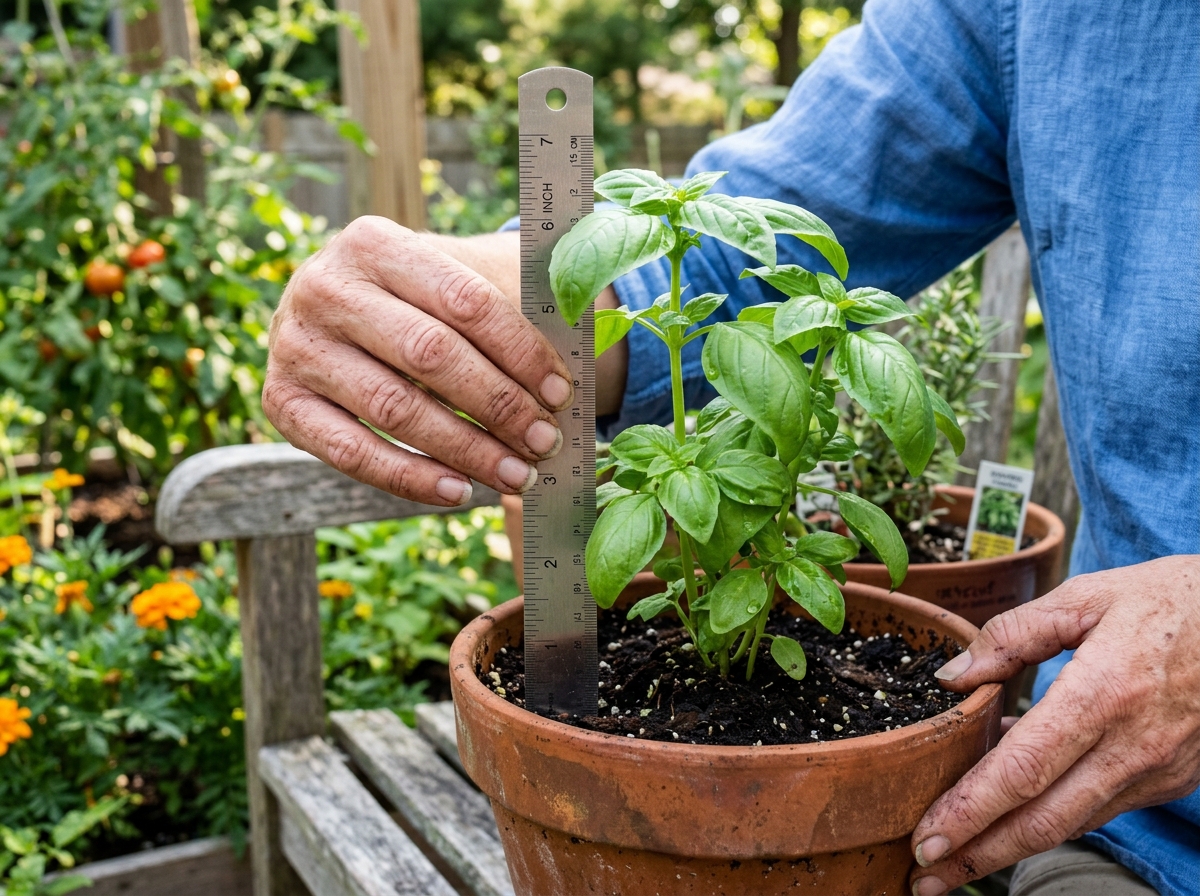
- Wait until the plant is at least 6-8 inches tall with four or more sets of leaves
- Cut stems just above a leaf node (where two small leaves meet the stem)
- Start from the top and work your way down
- Never remove more than one-third of the plant at one time
- Pinch off flower buds as soon as they appear
- Harvest in the morning after a few dry days for the best flavor
Basil is one of the most popular herbs home gardeners grow – and for good reason. It’s fast-growing, incredibly flavorful, and works in dozens of everyday dishes.
But here’s the thing most people get wrong: how you pick it matters just as much as when you pick it.
Pick leaves randomly, cut too much at once, or let the plant flower, and your basil will slow down, turn bitter, and die early. Harvest the right way, and a single plant can keep producing all summer long.
The good news? The technique is simple once you know it.

When to Start: Timing Your First Basil Harvest
Timing is everything when it comes to the first snip. If we rush into harvesting too early, we risk stunting the young plant’s growth. Conversely, waiting too long can lead to a leggy, unstable plant that is prone to “bolting” (flowering prematurely).
The 6-Inch Rule
Most varieties of Ocimum basilicum (Sweet Basil) take roughly 60 to 70 days from the time the seed germinates to reach a harvestable size. We should wait until the plant is 6 to 8 inches tall and has developed at least four sets of leaves.
At this stage, the root system is established enough to handle the stress of pruning. If you are growing compact varieties like Greek basil, they might be ready a bit sooner—usually around 50 to 55 days—but the height requirement remains a reliable guide.
The Best Time of Day
For the most potent aroma and flavor, we recommend harvesting in the early to mid-morning. This is when the plant’s essential oils are at their peak concentration. Once the sun beats down on the leaves, those volatile oils begin to dissipate, and the leaves may start to wilt slightly.
An expert tip we love: try to harvest after a few dry days. If it hasn’t rained or been watered for 48 hours, the oils are even more concentrated, providing that punchy, spicy-sweet flavor basil is famous for. For more details on maintaining your plant’s health during this phase, check out our guide on looking-after-basil-plants-a-guide-for-the-herb-obsessed.
What is the Best Way to Harvest Basil for Continuous Growth?
The secret to a never-ending supply of pesto is understanding that harvesting is actually a form of pruning. When we cut basil correctly, we are telling the plant to stop growing tall and start growing wide.
The Anatomy of a Node
The “node” is the magic spot on a basil stem where a pair of leaves grows out from the main stalk. If you look closely at that junction, you will often see two tiny “baby” leaves starting to peek out. When we cut the stem just above these nodes, the plant redirects its energy into those two tiny leaves, turning them into two brand-new branches.
By following this method, you aren’t just taking food; you are doubling the plant’s future production. This is the foundation of pruning-herbs-for-healthy-growth.
The One-Third Rule
One of the biggest mistakes we see is “over-harvesting.” To keep the plant healthy and capable of photosynthesis, never remove more than one-third of the total plant height at one time. If you take too much, the plant may go into shock and stop growing altogether.
Step-by-Step: What is the Best Way to Harvest Basil Leaves?
If you only need a few leaves for a garnish or a Caprese salad, don’t just pull them off randomly.
- Target the top: Always start from the topmost leaves. This prevents the plant from getting top-heavy and encourages bushier growth at the base.
- Pinch at the junction: Use your thumbnail and forefinger (or precision pruners) to pinch the leaf right where it meets the stem.
- Leave the bottom leaves: The large leaves at the very bottom of the plant act as solar panels. They provide the energy the plant needs to recover, so leave them alone!
Pruning for Production: What is the Best Way to Harvest Basil Stems?
When you need a larger quantity—say, for a batch of pesto—harvesting by the stem is the way to go.
- Identify the node: Look for a healthy set of leaves about 1/4 inch below where you want to cut.
- Use sharp tools: Use sharp garden snips or kitchen shears. Dull scissors can crush the stem, making it susceptible to disease.
- Cut at an angle: A clean cut just above the node will stimulate lateral shoots.
- Repeat regularly: During the peak of summer, we should harvest stems every 2 to 3 weeks. This constant “rejuvenation” prevents the plant from feeling like its job is done, which keeps it from flowering. You can learn more about this in our article on pruning-herbs-for-healthy-growth-2.
Managing Flowers and Different Basil Varieties
As an annual plant, basil has one goal: to produce seeds. Once it starts flowering, the plant shifts its energy away from leaf production. This process, known as “bolting,” changes the chemistry of the leaves, often making them taste bitter or “woody.”
The “Pinch the Bud” Strategy
Keep a close eye on the tips of your stems. If you see small, pointy green clusters that look different from regular leaves, those are flower buds. Pinch them off immediately. By removing the flowers, you force the plant to go back to making delicious leaves.
If your plant has already fully flowered, don’t panic. You can still eat the leaves, though they may be less flavorful. Some gardeners even choose to let one or two plants flower at the end of the season to support local bee populations!
Variety Matters
While the general rules apply to most basil, some varieties have unique habits:
- Genovese Basil: The classic Italian variety. It grows 24-36 inches tall and responds best to aggressive stem harvesting.
- Thai Basil: Known for its purple stems and licorice flavor. It is more tolerant of flowering than other types, but still tastes better when pruned.
- Greek Basil: These stay compact (10-12 inches) and form a natural globe shape. Because the leaves are tiny, we often harvest them by clipping small “bouquets” off the outer edges.
- Lemon/Lime Basil: These tend to be slightly more delicate. Harvest frequently to keep the stems from becoming too thin.
Post-Harvest Care: How to Store and Preserve Your Basil
Once you’ve mastered what is the best way to harvest basil, you’ll likely find yourself with more than you can use in one sitting. Unlike many other herbs, basil is quite finicky about how it’s stored.
Short-Term Storage
Never put fresh basil in the refrigerator! The cold temperatures cause the leaves to turn black and slimy almost overnight. Instead:
- The “Flower Bouquet” Method: Place the stems in a jar of fresh water on your kitchen counter. Keep it out of direct sunlight and change the water daily. It will stay fresh for 4 to 5 days.
- The Damp Towel Method: For individual leaves, wrap them gently in a damp paper towel and place them in a resealable bag, but keep the bag on the counter or in the warmest part of the pantry.
Long-Term Preservation
If you have a massive harvest, you’ll need to preserve it. While drying is possible, many gardeners find that dried basil loses its “summer magic” aroma.
| Method | Best For | Shelf Life |
|---|---|---|
| Freezing in Oil | Soups, stews, and sauces | 6–9 months |
| Flash Freezing | Whole leaf garnishes | 3–4 months |
| Air Drying | Dried rubs/seasoning | 1 year |
| Pesto | Pasta and spreads | 6 months (frozen) |
Our Favorite Method: The Oil Cube Chop your fresh basil and pack it into ice cube trays. Top each slot with olive oil and freeze. Once frozen, pop the cubes into a freezer bag. When you’re cooking a sauce or soup, just drop a cube in! This preserves the green color and the fresh flavor much better than drying. If you’re growing your basil indoors, you might find even more tips in our guide on how-to-care-for-basil-indoors.
Common Mistakes to Avoid When Harvesting Basil
Even experienced gardeners can fall into bad habits. Here are the “don’ts” of basil harvesting:
- The “Shave”: Never cut the plant down to the soil. While basil is resilient, removing all the leaves leaves the plant with no way to generate energy.
- Dull Tools: Using dull scissors crushes the vascular system of the plant. If the stem looks “mashed” after a cut, your tools need sharpening.
- Ignoring the Center: Don’t just pick from the sides. If you don’t prune the center stem, the plant will grow tall and spindly, eventually falling over.
- Washing Too Early: Don’t wash your basil until you are ready to use it. Moisture on the leaves leads to rapid browning and decay. If you must wash it, use a salad spinner to dry it immediately.
- Refrigeration: We’ll say it again—keep it out of the fridge! If you’re struggling with indoor plants, see how-to-care-for-basil-indoors-2 for troubleshooting.
Frequently Asked Questions about Harvesting Basil
Will basil grow back if I cut it to the soil?
Technically, yes, it can grow back if the root system is exceptionally healthy, but it is not recommended. New shoots would have to emerge from the very base of the plant, which takes a lot of time and energy. It is far better to leave at least one or two sets of leaves at the bottom to ensure the plant has the “fuel” to regrow quickly. For more on indoor plant recovery, see how-to-care-for-basil-indoors-3.
Can I still use basil leaves after the plant flowers?
Yes, the leaves are still edible. However, you will notice a change in texture and taste. The leaves become smaller, tougher, and take on a bitter, almost minty or licorice-heavy flavor. If your plant has flowered, we recommend using those leaves in cooked dishes (like a long-simmered marinara) where the bitterness can be balanced out, rather than in fresh salads.
How often should I prune my basil plant?
For a healthy, productive plant, aim for a “maintenance prune” once a week. Even if you don’t need the basil for a recipe, pinching off the top growth tips will stimulate the plant to stay in its vegetative (leaf-growing) state. Regular harvesting is the best way to extend the life of this annual herb until the first frost of autumn.
Conclusion
At FinCapitaly, we believe that sustainable gardening starts with maximizing what you already have. Learning what is the best way to harvest basil is the difference between a one-time garnish and a summer-long supply of fresh herbs. By respecting the plant’s nodes, keeping the flowers at bay, and storing your harvest properly, you can enjoy the taste of summer well into the cooler months.
Ready to take your herb garden to the next level? More info about indoor basil growing can help you keep the harvest going even when the weather turns. Happy harvesting!
