
Fresh Herbs at Your Fingertips: What You Need to Know
An herbs garden indoor setup lets you grow fresh, flavorful herbs year-round — no outdoor space or green thumb required. Here’s a quick overview to get you started:
The 5 basics for a successful indoor herb garden:
- Pick the right herbs — Basil, mint, chives, parsley, thyme, and oregano are the easiest to grow indoors
- Find good light — A south-facing window with 6+ hours of sun daily, or LED grow lights for 12-16 hours
- Use the right containers — Pots with drainage holes (terra cotta works great)
- Water correctly — Only water when the top inch of soil is dry; never let roots sit in water
- Harvest often — Snip regularly to encourage new growth, but never remove more than one-third of the plant at once
Growing your own herbs indoors is one of the most practical things a home cook can do. Store-bought herbs are expensive, go bad fast, and often taste flat compared to fresh-picked ones. Homegrown herbs are bolder, brighter, and available exactly when you need them.
The good news? You don’t need a big space. A sunny windowsill, a few pots, and the right seeds are all it takes to get started. Whether you’re cooking weeknight pasta or weekend brunch, having basil, thyme, or cilantro growing a few feet away changes everything.
This guide walks you through every step — from picking your first seeds to harvesting a full, thriving kitchen garden.
Why Start an Herbs Garden Indoor?
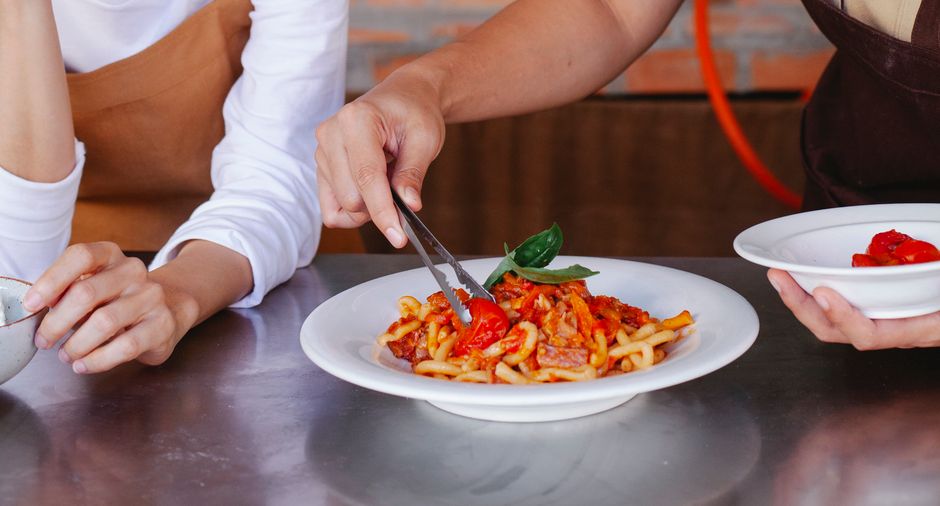
If you have ever bought a plastic clamshell of rosemary only for it to turn into a black, slimy mess in your fridge before you could use it, you already know the main reason to grow your own. Beyond avoiding waste, starting an herbs garden indoor offers a range of benefits that go far beyond the kitchen.
First, let’s talk about the flavor. Homegrown herbs are significantly more aromatic and potent than store-bought versions. Because you are harvesting them seconds before they hit the pan, the essential oils are at their peak. It’s the difference between a “good” meal and a “Master Chef” quality dish. According to Indoor Herb Gardening, having these plants within arm’s reach makes cooking more fun for the whole family and encourages healthier eating habits.
There is also a significant cost-saving element. A single herb kit or a collection of seeds can save you roughly 25% compared to buying individual bunches at the grocery store over a season. Plus, many herbs are perennials, meaning they can live for years with proper care.
From a mental well-being perspective, tending to a small garden is a proven stress-reliever. Research suggests that the scent of certain herbs, like rosemary, can even provide a mental boost and aid memory while you work from home. Plus, you have total control over the environment, ensuring your produce is 100% pesticide-free. For more inspiration on which varieties to pick, check out our guide on the best herbs to grow indoors.
Choosing the Best Varieties for Your Kitchen
Not all herbs are created equal when it comes to living on a windowsill. Some crave the intense heat of a Mediterranean summer, while others are perfectly happy in the partial shade of a kitchen nook. When planning your herbs garden indoor, we recommend starting with these reliable staples:
- Genovese Basil: The king of kitchen herbs. It thrives in consistent warmth (65–75°F) and needs plenty of light. If you want to master this classic, see our detailed tips on how to care for basil indoors.
- Greek Oregano and English Thyme: These are “drought-tolerant” perennials. They don’t mind if you forget to water them for a day or two and are incredibly hardy.
- Peppermint or Spearmint: Warning—mint is an overachiever! It spreads quickly, so we always recommend giving it its own dedicated pot so it doesn’t bully your other plants.
- Flat-Leaf Parsley: A biennial that is much more flavorful than the curly variety. It’s great for garnishes and stocks.
- Rosemary: This woody perennial adds a wonderful fragrance to your home. It can be a bit finicky about drainage, so beginners should look at our guide on rosemary care indoors for beginners.
- Chives: These are incredibly easy to grow from seeds or by dividing a clump from an outdoor garden. They add a mild onion flavor to everything from eggs to baked potatoes.
- Cilantro: This herb grows fast but “bolts” (goes to seed) quickly in heat. It’s best to plant new seeds every few weeks for a continuous supply.
Essential Equipment and Setup for Your Herbs Garden Indoor
You don’t need a high-tech laboratory to grow herbs, but you do need a few essentials to ensure your plants don’t just survive, but thrive.
Containers and Soil
The most common mistake beginners make is choosing a pot without drainage. Herbs hate “wet feet.” We love unglazed terra cotta pots because they are porous, allowing the soil to breathe and dry out more evenly. Whatever you choose, ensure there are drainage holes at the bottom and a saucer to catch excess water.
When it comes to the “dirt,” don’t just grab a bag of garden soil from outside. It’s too heavy and may contain pests or diseases. Instead, use a well-draining indoor potting mix. Some Mediterranean herbs like thyme actually prefer a mix blended with a bit of cactus soil for extra drainage. You can find more specifics in our guide to soil and fertilizer for indoor herbs.
Seeds vs. Kits
If you’re a complete novice, indoor gardening kits for beginners are a fantastic starting point. Many kits include nutrient-rich soil discs that expand 6-8 times their size when hydrated, making the setup process incredibly clean and easy.
For those who want more customization, buying heirloom seeds allows you to choose specific varieties. If you’re going this route, check out our tips on starting herbs from seeds indoors and some DIY indoor herb planter ideas to add some personal style to your kitchen.
Comparison: Traditional Pots vs. Hydroponic Systems
| Feature | Traditional Soil Pots | Hydroponic Systems (Smart Gardens) |
|---|---|---|
| Effort Level | Moderate (Manual watering) | Low (Automated) |
| Growth Speed | Standard | Fast (Nutrient-rich water) |
| Cost | Low ($30 – $100) | Higher ($80 – $300+) |
| Space | Flexible | Requires counter space/outlet |
| Best For | Traditionalists & DIYers | Busy people & “Black thumbs” |
Mastering Care: Light, Water, and Environment
Once your herbs garden indoor is planted, the real work begins. Herbs are generally low-maintenance, but they are vocal about their needs. If they aren’t happy, they’ll show it through yellowing leaves or “leggy” (stretched out) stems.
Maintaining a consistent environment is key. Most herbs prefer temperatures between 60–75°F. Try to keep them away from cold drafts or the direct blast of a heating vent. Air circulation is also vital; crowded plants can develop mold. To keep your garden healthy, follow our indoor herb garden setup tips and learn about preventing mold in indoor herb gardens. If you do spot tiny visitors, we have a guide for indoor herb pest control tips using organic methods like neem oil.
Optimizing Light for Your Herbs Garden Indoor
Light is the “food” for your plants. Most culinary herbs need at least 6 hours of direct sunlight daily. A south- or southwest-facing window is usually the best “real estate” in your home. However, during winter or in darker apartments, natural light might not be enough.
This is where grow lights for indoor herbs come in. LED grow lights are energy-efficient and provide the specific spectrum of light herbs need to grow bushy rather than tall and spindly. We recommend keeping grow lights on for 12–16 hours a day, positioned about 6–12 inches above the plants. For more on window placement, see our article on planting herbs in kitchen windows.
Watering and Humidity for a Thriving Herbs Garden Indoor
Overwatering is the #1 killer of indoor plants. Instead of watering on a strict schedule, use the “finger test.” Stick your finger into the soil up to the first knuckle; if it feels dry, it’s time to water. If it’s still moist, wait a day.
Indoor air, especially in winter, can be very dry. Herbs like rosemary and basil appreciate a bit of humidity. You can use a mister, but a “pebble tray” (a tray filled with pebbles and water placed under the pots) is a more consistent way to boost moisture in the air. For a deep dive, check out indoor herb watering mistakes to avoid and our humidity tips for indoor herbs. You might also want to invest in some compact watering tools for herb gardens to make the job easier.
Harvesting and Long-Term Maintenance
The best part of an herbs garden indoor is, of course, the harvest! But there is a strategy to it. If you just rip off leaves whenever you need them, you might accidentally stunt the plant’s growth.
The One-Third Rule: Never harvest more than one-third of the plant at a time. This ensures the herb has enough foliage left to photosynthesize and recover. Always use sharp shears and snip just above a leaf node (the spot where new leaves emerge). This encourages the plant to branch out and become bushier.
Regular pruning herbs for healthy growth also prevents “bolting.” When an herb flowers, the leaves often turn bitter as the plant puts all its energy into making seeds. By pinching off flower buds early, you keep the flavor sweet and productive. For more long-term strategies, read How to Grow an Indoor Herb Garden That Actually Thrives.
Don’t forget to feed your plants! Since they are in containers, they will eventually exhaust the nutrients in the soil. During the active growing season (spring through fall), use a liquid fertilizer diluted to half-strength every two weeks. Our indoor herb fertilizer guide can help you choose the right nutrients. As the seasons change, you may need to adjust your care routine; see our tips on seasonal care for indoor herbs.
Frequently Asked Questions about Indoor Herbs
Which herbs are the easiest for beginners to grow?
Basil, chives, and mint are widely considered the “entry-level” herbs. They are resilient, grow quickly, and show clear signs when they need water, making them great teachers for new gardeners.
How do I prevent my indoor herbs from becoming leggy?
“Leggy” growth happens when a plant is stretching toward a light source because it isn’t getting enough. To fix this, move your garden to a sunnier window, rotate your pots a quarter-turn every week, or supplement with an LED grow light. Regular pruning also forces the plant to grow wider rather than just taller.
Can I move my indoor herb garden outside during the summer?
Absolutely! Many gardeners move their pots to a balcony or patio once the danger of frost has passed. Just be sure to “harden them off” by gradually increasing their time outside over a week, and remember that they will need more frequent watering once they are in the sun and wind.
Conclusion
Starting an herbs garden indoor is a small step toward a more sustainable and flavorful lifestyle. Whether you are looking to save money, brighten up your kitchen decor, or simply enjoy the meditative process of watching something grow, there is no better time to start than today.
At FinCapitaly, we believe that green living should be accessible to everyone, regardless of the size of their home. An indoor garden also makes a thoughtful, “living” gift for occasions like birthdays or Mother’s Day—offering an experience of growth rather than just a physical object.
Ready to get your hands dirty? Shop our essential indoor gardening tools to find everything you need to transform your windowsill into a lush, edible oasis. Happy gardening!
