
Why Choosing the Right Companion Plants with Basil Can Transform Your Garden
Companion plants with basil can mean the difference between a struggling herb patch and a thriving, pest-resistant garden that produces flavorful harvests all season long.
Quick answer — the best companion plants for basil:
| Plant | Key Benefit |
|---|---|
| Tomatoes | Mutual pest deterrence; basil repels hornworms |
| Peppers | Shared growing needs; basil attracts pollinators |
| Marigolds | Repels nematodes and aphids |
| Chamomile | Enhances basil’s growth and flavor |
| Parsley | Similar water needs; good herb pairing |
| Oregano | Acts as ground cover; retains soil moisture |
| Carrots | Basil repels carrot flies; carrots aerate soil |
| Nasturtiums | Trap crop that draws aphids away from basil |
| Asparagus | Attracts ladybugs; mutual pest protection |
Plants to avoid near basil: fennel, rue, sage, thyme, and rosemary.
Basil is one of the easiest herbs to grow — you can get your first harvest in about a month. But it’s also surprisingly vulnerable to pests, poor soil, and bad plant neighbors.
That’s where companion planting comes in.
Companion planting is a time-tested method of growing specific plants near each other so they help one another. The benefits are real: fewer pests, better flavor, healthier soil, and more pollinators visiting your garden.
Basil is actually one of the most valuable companion plants you can use. Its strong aromatic oils confuse and repel a wide range of insects — protecting not just itself, but the plants growing nearby. Think of it as a natural, fragrant pest shield for your entire garden bed.
But basil also has specific needs — full sun, moist and well-draining soil, warm temperatures — and some plants simply clash with those needs or actively harm basil’s growth.
This guide covers everything you need to know: the best plant pairings, the ones to avoid, and how to set up your garden so both basil and its neighbors thrive.

Understanding Basil’s Ideal Growing Conditions
Before we can pick the perfect partners, we need to understand what makes basil tick. Basil (Ocimum basilicum) is a warm-weather lover. If it were a person, it would be the one lounging by the pool with a cold drink, soaking up every bit of sunshine.
Light and Temperature
Basil demands full sun, which means at least 6 to 8 hours of direct sunlight daily. It thrives when temperatures are between 75°F and 85°F. In fact, it’s quite dramatic about the cold; basil will wilt or turn black the moment temperatures dip toward freezing (32°F). If you live in a particularly scorching climate, basil might appreciate a little afternoon shade from a taller companion plant to prevent its leaves from scorching.
Soil and Water
The secret to lush, green leaves is nutrient-rich, well-draining soil with a pH between 6.0 and 7.5. Basil likes its “feet” to stay moist but not soggy. Because it has relatively shallow, fibrous roots (mostly in the top 6 to 8 inches of soil), it can dry out quickly. This is why we often recommend looking-after-basil-plants-a-guide-for-the-herb-obsessed to ensure you’re hitting that moisture sweet spot.
Humidity and Space
Basil enjoys a bit of humidity, which is why it pairs so well with peppers that trap moisture near the ground. However, poor airflow can lead to fungal issues like powdery mildew. Whether you are growing outdoors or learning how-to-care-for-basil-indoors, giving your plants enough elbow room is essential for health.
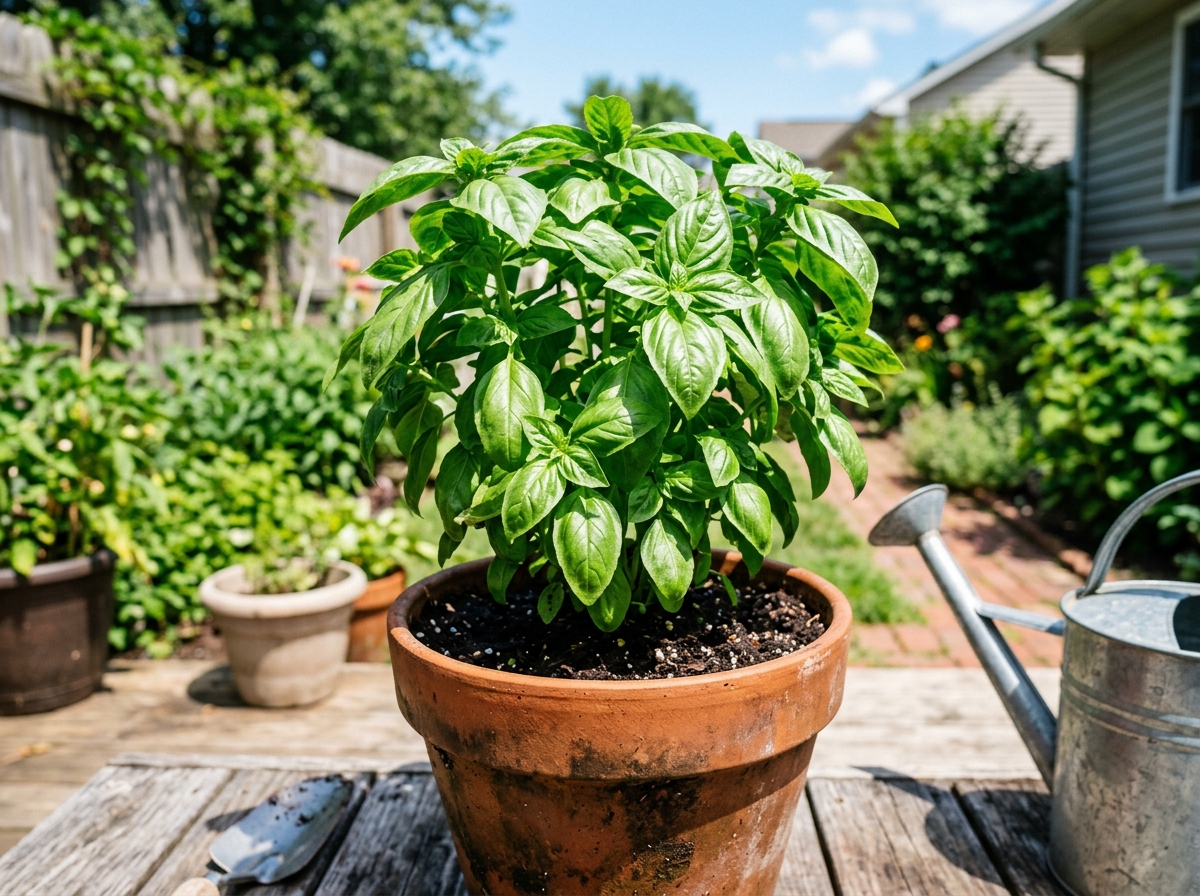
The Best Companion Plants with Basil for a Thriving Garden
In gardening, basil is often called the “altruistic” herb. It gives a lot to its neighbors, often more than it takes. By choosing the right companion plants with basil, we create a mini-ecosystem where every plant plays a role.
The Power of Nightshades: Tomatoes, Peppers, and Eggplant
The most famous pairing in the garden (and on the dinner plate) is basil and tomatoes. But this isn’t just about Caprese salad!
- Tomatoes: Research and gardener experience suggest that planting basil near tomatoes can actually improve the tomato’s flavor. More importantly, basil acts as a biological shield, repelling thrips and the dreaded tomato hornworm. In return, the large tomato plants can provide much-needed shade for basil during the hottest part of the summer.
- Peppers: Basil helps peppers by attracting pollinators and trapping heat and humidity near the soil, which peppers love. The aromatic oils in basil also help ward off aphids and spider mites that frequently target pepper plants.
- Eggplant: Similar to its relationship with tomatoes, basil helps protect eggplants from thrips and whiteflies.
If you’re limited on outdoor space, many of these pairings work beautifully in large containers. You can find more tips on this in our guide to the best-herbs-to-grow-indoors.
Vegetable Companion Plants with Basil
Beyond the nightshade family, basil plays well with a variety of vegetables:
- Asparagus: This is a surprising but effective duo. Basil repels asparagus beetles, while asparagus can provide a windbreak for the tender basil stems. Plus, basil attracts ladybugs, which are the natural enemies of aphids that might try to snack on your asparagus spears.
- Root Vegetables (Carrots, Beets, Radishes): Basil is a master of disguise. Its strong scent masks the smell of carrots and radishes, confusing pests like the carrot rust fly. In return, as you harvest these root crops, you naturally aerate the soil, which helps the shallow roots of the basil breathe.
- Lettuce and Spinach: These leafy greens love the shade that a bushy basil plant provides. In return, lettuce acts as a living mulch, keeping the soil cool and moist for the basil.
- Brassicas (Broccoli and Cauliflower): Basil can be a “trap crop” for slugs and snails that would otherwise devour your broccoli. It also creates an “olfactory nightmare” for cabbage worms, making it harder for them to find your cole crops.
Herb and Flower Companion Plants with Basil
Mixing flowers and other herbs with your basil isn’t just for aesthetics—it’s functional gardening at its finest.
- Marigolds: Often called the “nematode assassin,” marigolds release compounds from their roots that kill harmful soil pests. Together with basil, they create a potent aromatic barrier against almost everything from aphids to rabbits.
- Borage: This beautiful blue flower is a pollinator magnet. It’s also thought to improve the flavor and vigor of basil by drawing up trace minerals from deep in the soil.
- Chamomile: Known as the “plant doctor,” chamomile can actually increase the essential oil production in basil, making it more fragrant and flavorful.
- Nasturtiums: These act as a classic trap crop. Aphids are so attracted to nasturtiums that they will often leave your basil completely alone.
- Tender Herbs (Parsley, Cilantro, Chives, Oregano): Basil shares similar water and light requirements with these herbs. Oregano, in particular, makes a great ground cover that keeps basil’s soil moist. If you’re just starting out, these are some of the easy-herbs-for-beginners-to-grow-indoors.
Plants to Avoid Growing Near Basil
While basil is generally a friendly neighbor, there are a few plants that it simply cannot stand. These conflicts usually arise from two things: allelopathy (chemical warfare) or vastly different lifestyle needs.
The Allelopathic Enemies: Fennel and Rue
- Fennel: If there is one plant to keep far away from your basil, it’s fennel. Fennel is notoriously anti-social in the garden. It releases allelopathic chemicals that can stunt the growth of, or even kill, nearby plants—especially basil. Keep them at least 5 to 10 feet apart.
- Rue: Like fennel, rue produces compounds that inhibit the germination and growth of basil.
The “Dry Feet” Crowd: Sage, Rosemary, and Thyme
Mediterranean herbs like sage, rosemary, and thyme prefer sandy, dry soil and infrequent watering. If you plant them right next to basil—which loves consistent moisture—one of them is going to be unhappy. Either the basil will wilt from thirst, or the rosemary will develop root rot from overwatering.
If you want to grow these together, we recommend using separate pots. For instance, you can check out our tips on rosemary-care-indoors-for-beginners to see how their needs differ from basil’s.
The Flavor Alterers: Cucumbers
This one is a bit of a garden myth that has some truth to it. While basil can help deter pests from cucumbers, some gardeners find that cucumbers grown too close to aromatic herbs can take on a slightly floral or “off” taste. Furthermore, cucumbers are heavy water drinkers and can out-compete basil’s shallow roots for moisture.
How Basil Acts as a Beneficial Partner
We’ve talked about what basil needs, but let’s look at why your other plants want basil nearby. Basil is essentially the “security guard” of the vegetable garden.
Natural Pest Deterrence
Basil’s leaves are packed with volatile oils like citronellal and limonene. To us, they smell like heaven; to a mosquito or a whitefly, they smell like a “keep out” sign.
- Tomato Hornworms: Basil is scientifically proven to reduce the number of eggs laid by hornworm moths on tomato plants.
- Aphids and Thrips: The strong scent confuses these tiny pests, making it harder for them to locate their host plants.
- Mosquitoes: While it won’t replace bug spray, having basil near your patio can help reduce the local mosquito population.
Attracting the “Good Guys”
When you let basil flower (which we usually avoid for culinary use, but encourage for biodiversity!), it becomes a feast for pollinators. It attracts native bees, but more importantly, it draws in predatory insects like:
- Ladybugs: Which eat hundreds of aphids a day.
- Parasitic Wasps: Which hunt down caterpillars and hornworms.
- Lacewings: Often called “aphid lions” for their voracious appetite for garden pests.
Living Mulch and Soil Health
Because basil grows in a bushy, dense habit, it acts as a living mulch. This shades the soil, reducing evaporation and suppressing weed growth. By planting basil between your taller crops, you are essentially creating a self-watering, weed-blocking carpet that pays for itself in pesto!
Frequently Asked Questions about Basil Companions
Does companion planting affect the flavor of basil?
Yes, it can! While soil nutrients play the biggest role, growing basil near “helper” plants like chamomile or marjoram has been shown to increase the concentration of essential oils in the leaves. This results in a punchier, more aromatic herb. Conversely, growing it too close to strong-smelling “enemies” like rue can sometimes impart a bitter quality. For those doing indoor-basil-growing, using high-quality organic fertilizer is the best way to ensure peak flavor.
Can different basil varieties like Thai or Holy basil have different companions?
While most basils share similar needs, there are slight nuances:
- Sweet/Genovese Basil: The classic tomato companion.
- Thai Basil: Has a sturdier stem and more licorice-like scent; it pairs exceptionally well with lemongrass and peppers.
- Holy Basil (Tulsi): Often grown as a medicinal herb, it is particularly good at attracting a wide variety of pollinators.
- Purple Basil: Its dark leaves provide a stunning visual contrast to silver-leaved plants, but it needs even more sun to maintain its deep color. Check out our list of the best-indoor-herbs-for-cooking to see which variety fits your kitchen needs.
How far apart should I space basil and its companions?
Airflow is your best friend. We recommend leaving 12 to 18 inches between basil plants. When interplanting with larger crops like tomatoes, place the basil about 10 to 12 inches from the tomato stem. This allows both plants to access nutrients without their roots becoming a tangled mess. Proper spacing is also the #1 way to prevent fungal diseases. If you’re working with indoor pots, see our advice on rosemary-care-indoors-for-beginners-2 for general container spacing rules.
Conclusion
Mastering the art of companion plants with basil is one of the most rewarding steps you can take in your gardening journey. By understanding the symbiotic relationships between your plants, you can move away from chemical pesticides and toward a natural, self-sustaining ecosystem.
Whether you are tucking basil around your tomato plants to boost their flavor or using marigolds to shield your herbs from pests, every choice you make contributes to the health of your garden. At FinCapitaly, we believe that sustainable gardening is the key to a healthier home and a happier planet.
Ready to start your herb garden? Take these pairings to heart, give your plants plenty of sunshine, and enjoy the fragrant, abundant harvest that follows. Happy planting!
